The safest way to learn how to install septic tank riser is to find the tank, check its condition, and choose parts that fit. A careful homeowner may do shallow digging and simple preparation. Damaged lids, unsafe soil, buried utilities, or unclear openings need help from a septic professional.
Table of Contents
- Can a homeowner install a septic tank riser?
- What is a septic tank riser and why install one?
- What should you check before installing a septic tank riser?
- What tools and materials do you need to install a septic tank riser?
- How do you safely expose the septic tank lid?
- How do you measure and prepare the septic tank opening?
- How do you install and seal a septic tank riser?
- How should you backfill and finish around the riser?
- What can go wrong when installing a septic tank riser?
- When should you call a septic professional after installing a riser?
- Frequently Asked Questions
- Key takeaways
- Conclusion
Can a homeowner install a septic tank riser?
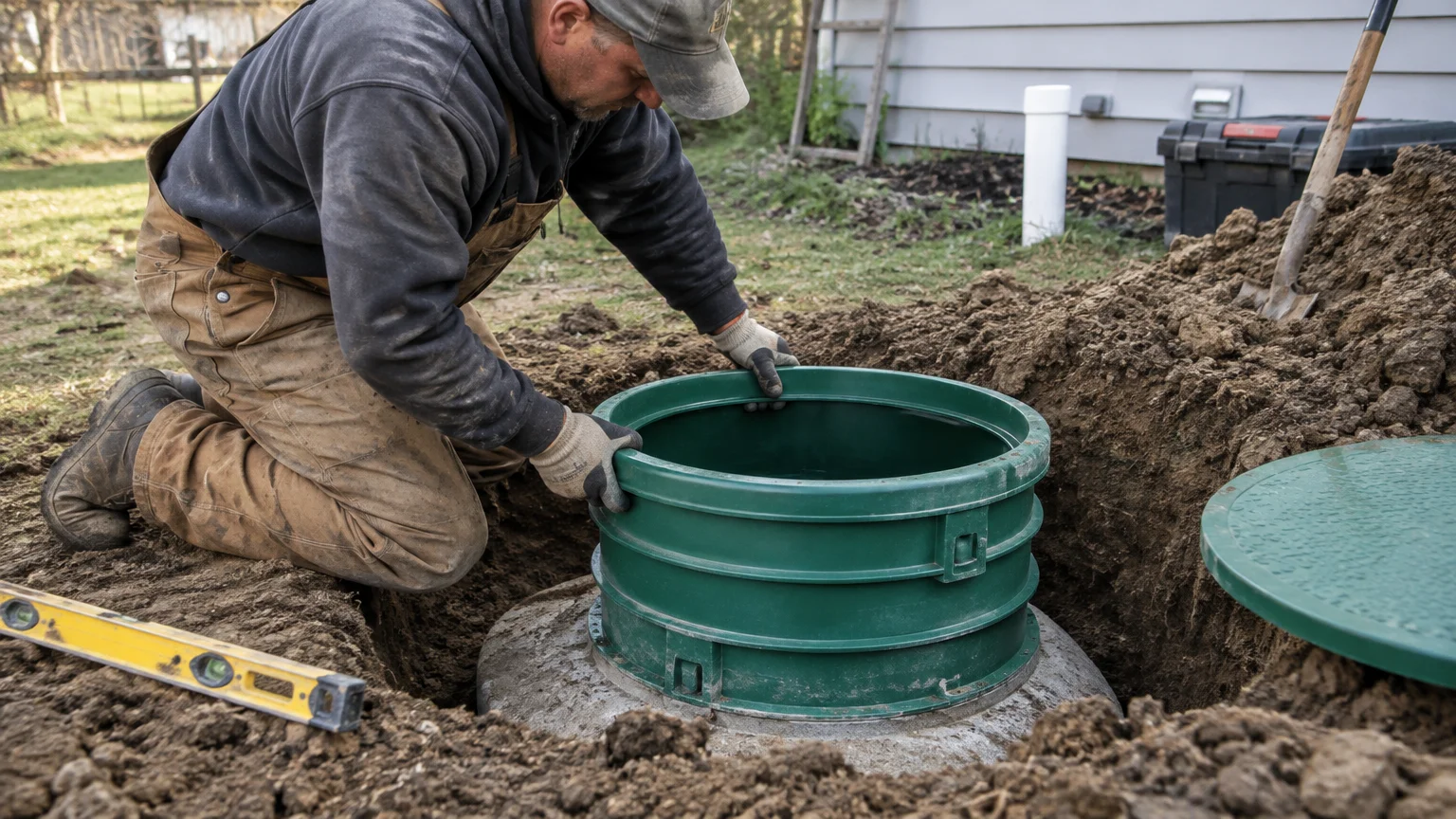
A homeowner may install a septic tank riser when the tank is easy to find. The opening must also be sound, and the work area must be safe. The riser must stay level, fit the opening, and keep soil and rainwater out.
A riser is a vertical access section above a septic tank opening. It brings the lid closer to the ground. This can make inspections and septic pumping easier. It can also save time when you need to find the buried lid.
When the project may be suitable for a careful homeowner
This project may suit a careful homeowner who follows the product guide. The tank should have a known location and a strong opening. The work area should also be safe, with children and pets kept away.
Homeowners may do light digging, measuring, cleaning, and basic site work. They should stop if the soil is loose, the lid is damaged, or the tank material is unknown. A septic tank may contain harmful gases. Never leave an open tank alone.
When to hire a septic professional instead
A professional should do the work when the tank is hard to find. Help is also wise when the opening is damaged or sits near a driveway, building, wall, or drain. Local rules may require an approved part or a licensed installer.
Septic Tank Pumping Ocala can help Ocala property owners decide if a riser project is safe. The team can help find the tank, check the lid, and plan septic system work. A professional may see problems that are easy to miss while digging.
What is a septic tank riser and why install one?
A septic tank riser is a pipe-like extension from the tank opening to a lid near the ground. It does not replace the tank. It also does not change how wastewater is treated. Its main job is to make service and inspections safer and easier.
A septic system collects wastewater from a property. The tank separates solids, liquids, and scum. Liquid then moves toward the drainfield. Since the tank holds waste and gases, its access point must stay closed and watertight.
How risers improve access for inspections and pumping
A riser makes the tank easier to find before septic pumping. It may also reduce digging during normal service. Easier access helps a worker inspect the tank, lid, baffles, and walls more closely.
A riser does not remove the need for regular care. Property owners should still watch for slow drains, sewage smells, wet soil, or backups. The right service plan depends on household use, tank size, solids, and system design.
Choosing compatible riser, lid, and safety components
The riser, lid, seal, and fasteners must work together. Parts should match the tank opening and the soil around it. A secure lid should not move or leave a gap where a child or pet could fall.
Tanks may use concrete, plastic, fiberglass, or other materials. Each material may need a different connection method. A part made for one tank type may not seal well on another. Read the product guide before removing soil.
What should you check before installing a septic tank riser?
Before installing a riser, confirm the tank location, material, opening size, and site safety. Start with any records you have. A permit, drawing, inspection report, or old service note may show the tank and drainfield.
The tank is not always directly in front of the house. Inlet and outlet pipes may point in different directions. If records are missing, a professional locator may be needed.
Finding the tank and confirming its construction
Mark the likely tank area and use hand tools near the lid. Heavy equipment can crack the tank or harm buried pipes. Never force a lid that is stuck, broken, or too heavy to lift safely.
The tank may have more than one access point. A large opening may serve the main tank. A smaller opening may be near an inlet or outlet. The riser must go on the right opening. Guessing may cause poor service access or damage inside the tank.
Checking local requirements, utilities, and site conditions
Have underground utility lines marked before digging. Also check for irrigation lines, cables, roots, and drainage paths. Utility marking may find public lines, but private lines may need another check.
Septic rules vary by location. Ask the local health department or permit office when changing the cover or ground surface. In the main Ocala area, properties from Bellechase and Freedom Crossings Preserve to nearby communities may have different soil, slopes, and access needs. One plan may not suit every site.
What tools and materials do you need to install a septic tank riser?
The materials depend on the tank and riser system. Most basic setups need a matching riser, secure lid, seal, and approved fasteners. The product guide should explain which seal and hardware to use.
Do not use scrap boards, loose stones, or a normal indoor cover. These items may move, leak, or fail under soil pressure. A septic lid must stay stable and remain removable by trained workers.
Essential riser, lid, seal, and fasteners
The riser should fit the opening without forcing the tank wall. The lid should match the riser size and have a safe way to fasten it. A gasket, compression seal, or approved sealant may be needed. The right choice depends on the product and tank surface.
Other useful items include clean bedding material, replacement fasteners, marking paint, and a temporary barrier. Keep the opening covered whenever work stops. Keep tools and parts clean so dirt does not enter the tank.
Excavation, measuring, leveling, and safety equipment
A shovel, hand trowel, tape measure, level, soft brush, and clean cloth can help. Gloves, eye protection, sturdy shoes, and a dust mask can limit contact with dirt and debris. A helper can make lifting safer.
Never enter the tank or lean over the opening. Septic tanks may contain dangerous gases. You cannot judge the air inside by smell alone. Stop if the excavation is deep, narrow, wet, or unstable.
How do you safely expose the septic tank lid?
The safest way to expose a septic tank lid is to mark the area and dig slowly. Remove soil in thin layers. Hand digging gives better control near the lid, tank wall, and connected pipes.
Set a clear boundary around the work area. Keep children, pets, and visitors away. Never leave the opening uncovered during a break, even for a short time.
Marking the work area and digging carefully
Mark the expected lid location and leave room to work around the riser. Set grass, mulch, and topsoil aside for later. Keep removed soil far enough away that it cannot slide into the opening.
Stop digging when the lid edge appears. Check for cracks, movement, smells, water, and loose soil. Do not use a damaged lid as a work platform. If the tank is deeper than expected, stop and review the plan.
Cleaning and inspecting the tank opening
Use a brush to clean the lid and nearby surface. Do not push dirt into the tank. Once the opening is visible, look for a sound rim, even surface, and signs of old leaks.
Do not enter or disturb the tank. A professional can inspect inside with proper equipment. If wastewater is near the lid, the tank is overflowing, or strong smells are present, cover the area safely and arrange service.
How do you measure and prepare the septic tank opening?
Good measurements are important before choosing or fitting a riser. Measure the opening at several points. Check if it is round, square, uneven, or damaged. The riser must match the real opening, not just the old lid.
The finished lid should stay above areas where water collects. It should also sit low enough to fit the yard. Height depends on the ground, slope, landscaping plans, and product design.
Measuring the opening and determining riser height
Record the opening width, shape, rim condition, and depth below the planned ground level. Use a level to check whether the rim is even. Check each measurement twice before buying or cutting parts.
A tall riser may need extra support outside. A short riser may become buried after soil settles. The lid should stay visible and easy to reach without becoming a trip hazard. It should also allow future service equipment to reach the opening.
Preparing the surface for a watertight connection
The connection surface must be clean, firm, and free of soil, grease, loose concrete, and standing water. Damaged concrete may need repair first. A broken rim can let groundwater enter the tank.
Install the seal exactly as the manufacturer says. Some products need a gasket. Others use approved sealant or a mechanical connection. Do not mix materials unless the product guide says they work together.
How do you install and seal a septic tank riser?
To install a septic tank riser, center it over the prepared opening. Keep it level, secure it with the approved method, and fit the matching lid. The assembly should not move when touched. A good seal keeps soil, rain, and runoff away from the tank.
Use clean hands and clean parts. Dirt on the seal can leave a small gap. Small gaps may let water enter or gases escape around the lid.
Positioning and securing the riser
Lower the riser carefully without scraping the tank rim. Keep its sides straight and its top level. Install fasteners in the order shown in the product guide. Apply even pressure around the connection.
Do not over-tighten the fasteners. Too much force can crack plastic, strip hardware, or harm a concrete rim. If the riser does not sit evenly, stop. Do not use loose blocks or shims unless the manufacturer allows them.
Fitting the lid and checking the seal
The lid should sit fully on the riser. Test it gently to make sure it stays secure. Fasteners should stop movement but still allow future removal by a trained worker. The lid should not rock, bow, or show a clear gap.
A visual check cannot prove that the connection is watertight. After fitting the assembly, look for movement, pooled water, or soil washing toward the lid. A septic professional can review a questionable installation before you cover it.
How should you backfill and finish around the riser?
Add backfill slowly and evenly around the riser. This supports the assembly without pushing it out of level. Keep large rocks, broken concrete, and sharp debris away from the riser. They can harm the wall or seal.
Use suitable soil in small layers. Press each layer gently by hand or with a light tool. Do not drive heavy machinery over the tank or riser unless the system was made for that load.
Backfilling without shifting or damaging the assembly
Check the riser level after every layer. Add soil on opposite sides to keep pressure even. If the riser moves, stop backfilling and find the cause.
The finished ground should send water away from the lid. Low spots can collect rain and send it into the tank. Do not pile soil high enough to bury the lid or block future access.
Protecting the lid from traffic, water, and landscaping
Mark the location on property records and in a simple yard plan. This helps prevent later digging or planting over the access point. Do not place deep-rooted plants, sheds, decks, or driveways over the tank or drainfield without advice.
Keep the lid away from cars, trailers, and heavy equipment. A visible marker can help family members and future owners find it. Septic Tank Pumping Ocala can help property owners plan access for later inspections and septic pumping.
What can go wrong when installing a septic tank riser?
Common problems include a poor fit, uneven riser, weak lid, or leaking seal. Rainwater may enter the tank. Soil may wash into the opening. The lid may move when someone walks nearby.
A riser may also reveal a larger problem. The tank could have a cracked top, damaged inlet, broken outlet, or unsafe cover. Installing a new riser without fixing that damage can leave the system unsafe.
Common problems with leaks, alignment, and unstable lids
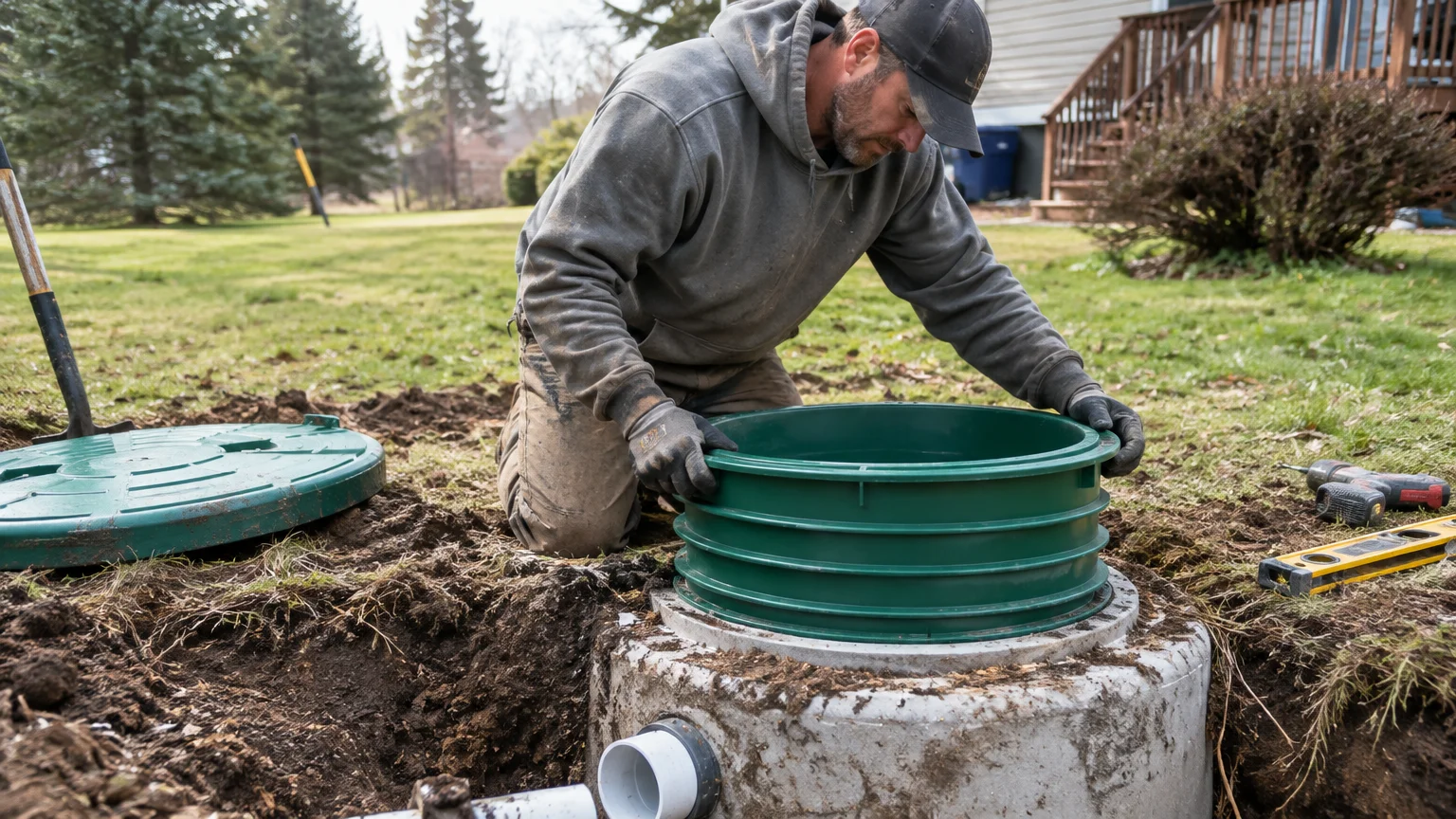
A crooked riser can put stress on the lid and seal. A dirty or poorly fitted seal may let groundwater enter. An unsecured lid can become a fall risk. Fix these problems before treating the work as complete.
Look for standing water after rain, wet soil near the connection, bad smells, moving parts, and repeated soil loss. These signs do not prove one cause. They do show that the installation needs a closer check.
How poor access or tank damage can affect the system
A riser that is too small can make inspections hard. A riser over the wrong opening may hide the main service point. A buried or blocked lid can delay pumping and make urgent work harder.
Tank damage may let wastewater escape or groundwater enter. Both issues can affect system performance. If drains slow, toilets gurgle, sewage backs up, or the yard stays unusually wet, seek professional help instead of guessing.
When should you call a septic professional after installing a riser?
A septic professional should inspect the work if the riser shifts, the lid will not seal, or water collects around it. Help is also needed when the tank location is unclear, the tank is damaged, or the opening may be unsafe.
A professional can check the installation, inspect the tank, and explain the next step. This may include septic pumping, checking baffles, looking at pipes, or fixing the access assembly.
Signs the installation needs inspection or correction
The following signs need attention:
- A lid rocks, lifts, or cannot be fastened securely.
- Soil or water moves into the tank opening.
- Strong smells come from the riser after closing the lid.
- The riser leans, cracks, or separates from the tank.
- Wastewater, slow drains, or wet ground appear near the system.
- The tank opening is too deep, unsafe, or hard to reach.
Keep people away from a damaged opening. A temporary barrier may help, but it is not a lasting repair. Clearly describe the problem when arranging service.
Planning future pumping, inspections, and maintenance access
A good riser makes future service easier, but it does not replace maintenance. Keep the riser location, tank records, and service notes together. Tell new owners and tenants where the tank is located.
The right schedule depends on the system and property use. More occupants, frequent guests, or a garbage disposal may need closer watching. A professional can explain what signs to watch for and when septic system pumping services may help.
Frequently Asked Questions
How deep should a septic tank be before a riser is installed?
There is no single right depth for every tank. The riser should bring the lid near the finished ground. It must also keep the lid safe from water and traffic. Tank opening size, soil, slope, and local rules all matter. A professional can confirm the best height.
How far does a septic tank need to be from a house?
Setback rules vary by local laws, soil, tank design, and property layout. A tank may be near a home but still need space from foundations, wells, utilities, and drains. Property records and the local health department can help confirm the approved layout.
Can a homeowner install a septic tank riser without pumping the tank?
Sometimes, but check the tank condition first. A full tank, damaged lid, or wastewater near the opening can make work unsafe. Pumping may also make an inspection easier. A septic professional can decide whether service is needed first.
Who performs a septic inspection after a riser is installed?
A qualified septic professional usually performs the inspection. The worker may check the riser, lid, seal, opening, inlet, outlet, and site. Local rules may say who can complete an official inspection. Keep the record with your other septic documents.
Does installing a riser replace regular septic tank pumping?
No. A riser improves access, but it does not remove solids. Pumping needs depend on the tank, household use, system design, and sludge level. Better access can make future service easier and help a professional inspect the system.
Key takeaways
- A septic tank riser must match the tank opening and lid system.
- Homeowners may do simple preparation when the site is known and safe.
- Utilities, unstable soil, damaged lids, and tank cracks need professional care.
- The riser should stay level, secure, clean, and protected from surface water.
- A riser improves access but does not replace inspections or septic pumping.
Conclusion
Learning how to install septic tank riser starts with safety, careful measuring, and matching parts. Expose the tank slowly, prepare a sound connection, secure the lid, and backfill without moving the assembly. Any doubt about the tank, soil, seal, or local rules is a reason to stop.
Septic Tank Pumping Ocala helps property owners review septic access and plan service. Contact us to arrange help with a riser inspection, septic tank pumping, or a safer long-term access plan.