A summer cookout in Ocala was humming along when the sink slowed to a stop. The family paused, hoping it would clear. It did not. That night, they learned a simple truth: maintaining a septic tank is mostly about small, steady habits and timely service before trouble starts. In practical terms, maintaining a septic tank means caring for the tank, baffles, and drainfield on a regular cycle so waste breaks down and water drains into the soil without backing up or leaking.
Key Takeaways
- Plan routine septic pumping and inspections based on household size and water use.
- Watch for early clues like slow drains, odors, and soggy spots over the drainfield.
- Protect helpful bacteria: keep wipes, grease, and harsh chemicals out of your system.
- Leave tank opening and pumping to licensed pros; DIY can be unsafe and break local rules.
- Keep simple records so you can schedule service before problems start.
Table of Contents
- Maintaining a Septic Tank: What It Really Means
- How Often to Service and Pump: Practical Schedules by Home Size and Use
- What You Can Safely Do as a Homeowner
- What You Should Not DIY—and Why Licensed Pros Are Required
- Step-by-Step: Getting Ready for a Pumping or Inspection Visit
- Common Problems from Poor Maintenance—and How to Catch Them Early
- When to Call a Professional and How to Choose the Right Provider
- Frequently Asked Questions
- Key takeaways
- Conclusion
Maintaining a Septic Tank: What It Really Means
A septic system is a private wastewater setup for your home. Wastewater flows from the house into a buried tank. Solids settle to the bottom as sludge. Oils float as scum. The middle liquid, called effluent, moves to the drainfield to filter through soil. Helpful bacteria in the tank break down waste. For this to work reliably, the tank needs adequate space so new wastewater can separate properly.
Routine care keeps that space open and the drainfield clear. Regular septic pumping removes sludge and scum before they reach the outlet baffle. Inspections catch cracks, leaks, and root intrusion early. Smart water use keeps the drainfield from being overwhelmed. When people say “maintaining septic tank,” they mean doing these steps on a predictable cycle tailored to the home and soil.
In Ocala, soil type and seasonal rain can influence how the drainfield performs. Heavy storms or saturated ground may slow drainage and add stress to the system. This is normal in our area, but it makes spacing out laundry, fixing leaks, and pumping on time even more important. Septic Tank Pumping Ocala works across Ocala every week and sees the same pattern play out: steady care prevents emergencies and helps systems last.
Why routine care prevents breakdowns
Regular pumping keeps solids from escaping the tank. Clean baffles maintain smooth flow. Early checks find small issues before they become indoor backups or messy yard problems. A healthy system is quiet, drains freely, and has no sewage odor. If there’s a smell or slow drainage, it often points to skipped maintenance.
How Often to Service and Pump: Practical Schedules by Home Size and Use
Plan on routine pumping using a multi-year cycle; there isn’t a single schedule that fits every property. The best interval depends on how many people live in the home, how much water they use, and what they put down the drains. A small, careful household can often go longer than a busy home with frequent showers and many laundry loads.
Standard timelines help you plan, but warning signs deserve immediate attention. If drains gurgle, a toilet flushes weakly, or the yard smells like sewage, don’t wait. Call for Septic Tank Pumping or a Septic Inspection. A professional can measure sludge and scum layers and set a service schedule that fits your home’s water use and tank size.
What changes the interval
- Household size: More people create more wastewater and fill the tank faster.
- Water use: Long showers, older toilets, and leaky faucets increase flow.
- Appliances: Garbage disposals add solids; some water softeners add brine.
- Soil and slope: Heavy clay soils drain more slowly than sandy soils.
- Age and tank size: Older or smaller tanks reach full levels sooner.
In Florida, local codes may guide service intervals for rentals or food-related businesses. If you manage properties in Ocala and nearby communities, set reminders and keep service records. The goal is predictable care that prevents surprises. When in doubt, schedule an inspection and set the next reminder based on that visit’s findings.
What You Can Safely Do as a Homeowner
Good care starts with small, repeatable habits. Use water steadily instead of in large bursts. Spread laundry loads throughout the week. Fix drips quickly. Choose septic-safe toilet paper that breaks down well. Toss wipes, diapers, and hygiene products in the trash. Even items labeled “flushable” typically don’t break down fast enough for most systems.
Grease belongs in a container, not the sink. Grease cools and hardens, clogging lines before it ever reaches the tank. In the kitchen, scrape plates into the trash and wipe pans with a paper towel before washing. In the bathroom, avoid harsh drain cleaners that can harm beneficial bacteria. Choose gentler cleaners and use the smallest amount that does the job.
Simple checks and records
Walk the drainfield once a season. Look for wet areas, unusually bright green stripes of grass, or puddles when the rest of the yard is dry. Note any sewer smells near vents or lids. Keep a simple log with pumping dates, inspection notes, and repairs. Mark the tank lid location on a sketch of the yard so future service goes faster.
Yard and landscaping tips
Keep trees and shrubs away from the tank and drainfield. Roots seek moisture and can enter seams or lines, causing clogs and leaks. Mow grass as usual, but don’t park vehicles or build patios over the field. Heavy weight compacts soil and slows percolation. Direct gutter downspouts away from the field to avoid overloading it with stormwater.
What You Should Not DIY—and Why Licensed Pros Are Required
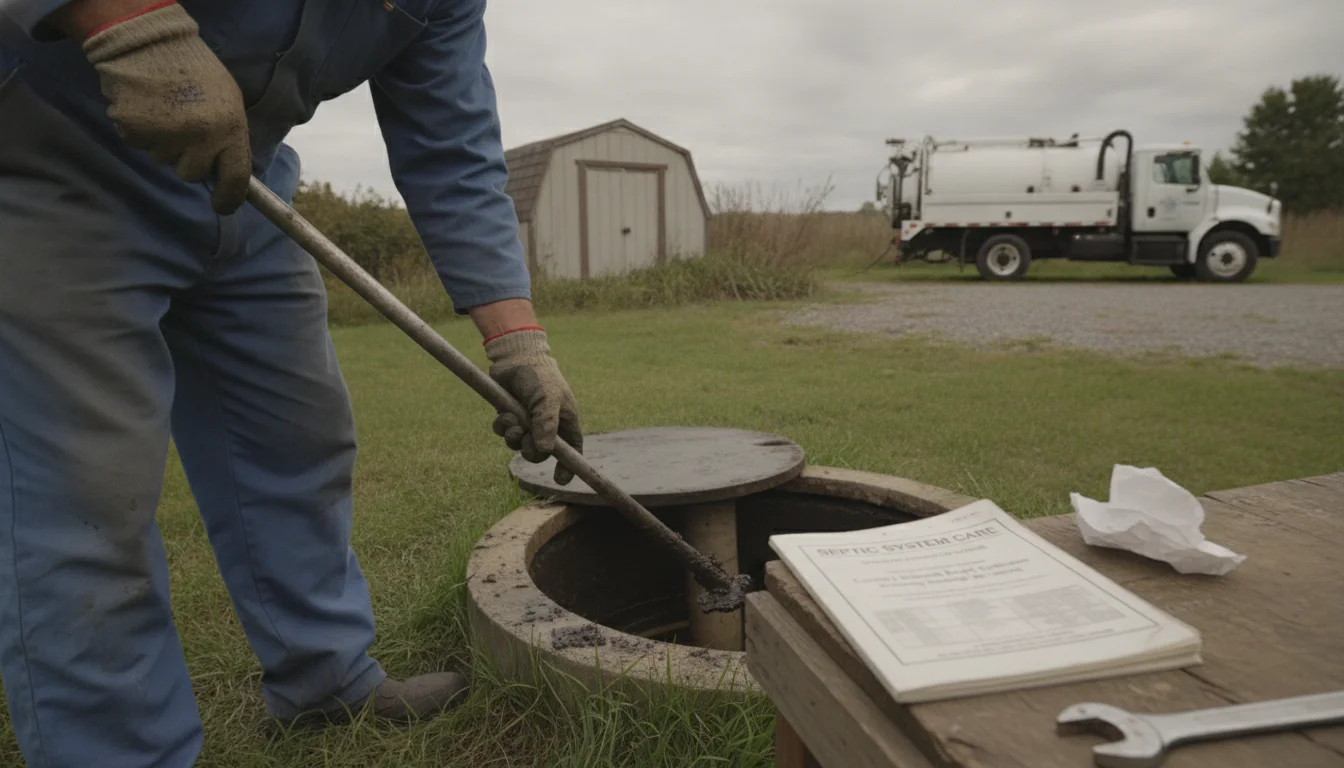
Some tasks are not safe to handle yourself. Septic tanks are confined spaces, and gases can displace oxygen and harm people quickly. Tank lids are heavy and can shift. Digging without knowing utility and line locations can break pipes or strike power. For these reasons, opening a tank and pumping it are jobs for trained crews with the proper equipment.
Codes, permits, and inspections
Local rules protect health and groundwater. In many areas, a permit or inspection is required for repairs, replacements, or new systems. Paperwork may also be needed for real estate transactions. A licensed provider knows the code and maintains records that matter later. When you hire pros for Septic System Repair or a Septic Inspection, they handle these steps and document the work.
There’s also a contamination risk. Wastewater can carry pathogens that make people sick. Handling it requires the right hoses, protective gear, and disposal procedures. Pros clean up safely and transport waste to approved sites. DIY shortcuts can spread contamination in the yard, on tools, and even into nearby wells.
If you’re unsure what is allowed, check with your county health department. Many publish homeowner guides and maintenance tips. These guides explain when to pump, what not to flush, and how to protect a drainfield from damage.
Step-by-Step: Getting Ready for a Pumping or Inspection Visit
Preparation makes a visit quick and clean. First, clear access to the tank area. Move cars, toys, and lawn gear. Trim shrubs or tall grass if they block the lid. If you have risers (vertical pipes that bring the lid near the surface), the crew can open the tank without digging. If not, be ready to show where the lid is located.
Before the appointment, note any symptoms. Are some fixtures slow? Do you smell odors near the yard or vents? Has the alarm on a pump tank buzzed? Share this list with the technician. It helps them focus and saves time on site. Keep pets inside for safety.
During the visit
The crew will locate and open the lid, check the inlet and outlet baffles, and measure sludge and scum levels. They will pump the tank, rinse as needed, and inspect for cracks, leaks, or root intrusion. If you have a pump chamber, they will test floats and the alarm. This is a great time to ask how often to pump and how to adjust daily habits.
After the visit
Review the findings together. Ask for notes or photos. Record the service date and the next suggested window for pumping. If the crew found early issues—like a worn baffle or a settling lid—plan a repair before it gets worse. Share simple house rules with guests to protect the system between visits.
Common Problems from Poor Maintenance—and How to Catch Them Early
Slow drains are often the first clue. A kitchen sink that bubbles, a shower that pools, or a toilet that flushes weakly can all signal a tank past due for service or a partial clog. Odors inside or near the yard mean gases are escaping or effluent is near the surface. Don’t try to mask smells—find and fix the cause.
Wet spots over the drainfield are another sign. If grass above the field grows faster and greener than the rest of the yard, the field may be overloaded. During dry weather, puddles in that area suggest trouble. If these signs appear, schedule Septic Tank Pumping and consider a Septic Inspection to confirm the source and plan the next steps.
Tank and baffle issues
A cracked tank can leak wastewater into soil or allow groundwater to flow in. Groundwater inflow fills the tank faster and can push solids downstream. Damaged baffles let scum and sludge reach the outlet. Early repairs prevent solids from clogging the field. Left alone, these issues can end in backups inside the home.
Drainfield stress
When a field clogs, wastewater cannot soak in properly. It may surface or back up into the house. Resting the field by reducing water use can help in mild cases. Some fields need jetting or other professional methods to restore flow. Catching problems early is the best way to avoid larger work later, such as partial drainfield renewal or septic tank replacement.
When to Call a Professional and How to Choose the Right Provider
Call a pro right away if sewage backs up, if the alarm sounds on a pump tank, or if you see pooling effluent over the field. These are urgent cases. If you only notice slow drains or mild odors, plan service soon. Don’t wait for a busy weekend or holiday to push your system to its limits.
Choosing the right team
Look for licensed providers with recent, clear reviews. Ask if they offer Septic Services end to end—Septic Tank Pumping, Septic Inspection, Septic System Repair, and Cesspool Pumping and Service where relevant. Confirm they can expose lids safely, check baffles, measure layers, and provide photos or a written report. Ask how they dispose of waste and whether they follow local rules.
Discuss schedules and scope. Costs vary with tank size, access, and findings. A transparent plan protects you. A good provider will explain what they will do, what they might find, and what that means for timing. Septic Tank Pumping Ocala serves homes and businesses across the main Ocala area—from Bellechase and Freedom Crossings Preserve to nearby neighborhoods and communities—and can help tailor a plan that fits your property and water use.
Frequently Asked Questions
How does a septic system work?
Wastewater flows into a tank. Solids settle as sludge, oils float as scum, and the middle liquid exits to a drainfield. Soil filters the liquid. Helpful bacteria in the tank break down wastes. Pumping removes sludge and scum so they don’t reach the field or cause backups.
How do I know when to pump?
Use a regular schedule that fits your household, but the most reliable signal is layer depth and warning clues. Slow drains, odors, or gurgling toilets suggest the tank may be full or stressed. An inspection measures layers and sets a schedule for your home’s usage and tank size.
What should never go in a septic tank?
Trash, wipes (even “flushable”), diapers, grease, coffee grounds, cat litter, paint, harsh chemicals, and large amounts of bleach. These items clog lines or harm helpful bacteria. Stick to septic-safe toilet paper and modest amounts of mild cleaners to protect the system and drainfield.
How do I find my tank lid?
Check property records or inspection reports. Look for a slight mound or a cleanout pipe in the yard. Probe gently with a soil probe where the main drain exits the home, heading straight out. Many owners add risers so lids sit near the surface for easier service next time.
Is septic care different for rentals or guest homes?
Yes. More guests mean more water use and more chance of “wrong” items getting flushed. Share simple house rules and spread laundry loads. Keep a log and plan pumping on the shorter end of the normal range. A quick orientation card helps guests protect your system.
Key takeaways
- Pump on time and adjust by household size and water use.
- Watch for clues like slow drains, odors, and wet spots over the field.
- Protect bacteria by keeping grease, wipes, and harsh chemicals out.
- Do not DIY tank work—it’s unsafe and may break local rules.
- Keep records so you can plan service before problems start.
Conclusion
Your septic system should run quietly in the background. A few steady habits, good records, and on-time septic pumping keep it that way. Septic Tank Pumping Ocala helps homeowners and surrounding areas plan care that fits their home, soil, and water use.
If you are not sure which of these you are dealing with, it is worth having someone look at it before it turns into a bigger job. Get in touch with Septic Tank Pumping Ocala today and we will tell you where you stand.