Finding a drain field starts with septic records, the tank location, and safe yard checks. Learning how to find a drain field also means knowing when to stop. You can look for surface clues, but digging, probing, and soil tests may need professional help. This guide explains each safe step for Ocala property owners.
Table of Contents
- Can a Homeowner Find a Drain Field?
- Where Is a Drain Field Usually Located?
- How Do You Find a Drain Field Step by Step?
- What Tools Can Help You Locate a Drain Field?
- What Can Go Wrong When Finding a Drain Field?
- How Can You Access a Drain Field Safely?
- When Should You Call a Septic Professional?
- Frequently Asked Questions
Can a Homeowner Find a Drain Field?
A homeowner can often find a drain field by checking records and studying the yard. This is a good first step when the tank location is known and no digging is needed. A drain field, also called a leach field or drainfield, is the soil area that receives liquid wastewater from a septic tank.
The search is safer when you are only gathering clues. You can check closing papers, ask the local health office for records, or review a septic plan. You can also walk the property and compare the yard with that plan. These checks do not disturb buried pipes, soil, or utilities.
When is locating the system a reasonable DIY task?
A careful yard search may work when you already know where the tank sits. You can trace the outlet pipe away from the tank. The drain field is often beyond that pipe, but its shape depends on the system design and soil.
You can mark likely spots with small flags. Do not push stakes deep into the ground. Keep cars, trucks, and other heavy items away from the suspected field. Packed soil can make it harder for the field to take in water.
When is professional help the safer choice?
Professional help is safer when records are missing or several old systems may exist. It is also wise when the field is deep, the ground is wet, or sewage is surfacing. An active septic alarm is another reason to call. A trained worker can use locating tools without guessing where pipes run.
Septic Tank Pumping Ocala can help Ocala property owners choose a safe way to search. A professional can also explain whether you need to find the field, inspect it, or arrange septic tank pumping. These jobs are related, but they are not the same.
Where Is a Drain Field Usually Located?
A septic drain field is often downhill from, or away from, the septic tank. It needs suitable soil and open space for buried pipes. The exact spot depends on the lot, slope, soil, groundwater, and approved plans.
A drain field is not always a flat rectangle. Some systems have several narrow trenches. Others use one wider bed or a different design. A drainfield may look like a normal lawn, so surface clues can help but cannot prove its location.
What records can reveal the field?
Property records are often the best place to start. A septic permit, site plan, inspection report, or closing paper may show the tank and field. A local health office may keep septic records, though access rules vary. Always check that the record matches the correct property.
The plan may show distances from the home, lot lines, wells, driveways, and other features. Older plans may be incomplete or wrong. Home additions, pools, sheds, landscaping, and repairs may have changed the system layout.
What landscape signs may reveal the field?
A field may have greener grass during dry weather. It may also have a long, level area with several strips of grass. Small rises, shallow dips, or changes in grass growth can offer clues. These signs alone cannot confirm a field.
Standing water, sewage smells, or soft soil may point to a problem. They may also come from a broken water line, poor drainage, or rain runoff. Do not assume that every wet spot is part of a drain field.
How Do You Find a Drain Field Step by Step?
The safest search starts with information, not digging. First, check the property boundary and review records. Then mark known features before touching the soil. These steps can narrow the search while helping prevent damage.
Step 1: Check records and ask past owners
Look for permits, inspection papers, service notes, and closing documents. A past owner, landlord, installer, or local office may know where the tank is. Records may use names such as leach field, absorption field, or septic drain field.
Compare the plan with the current yard. A home addition, pool, shed, driveway, or fence may show what changed. If the plan and yard do not match, the plan may not show the full system.
Step 2: Locate the septic tank first
The drain field is easier to find after locating the tank. The tank is often near the path of the main sewer pipe leaving the house. Cleanouts, inspection ports, and old access covers may offer clues.
Never open a tank by yourself. Septic tanks can hold dangerous gases, and an open lid can cause a fall. A professional should manage tank access, pumping, and inspection.
Step 3: Trace the outlet pipe
The outlet pipe carries liquid from the tank toward the field. It may run in a straight line, but older systems can have unusual layouts. A professional can trace it with safe equipment when the path is not clear.
You can inspect the ground along the likely route. Look for settled soil, narrow grass changes, or a line that matches the site plan. Do not dig until underground utilities have been marked.
Step 4: Confirm the likely field area
Compare the suspected area with the septic permit. The field needs enough room for its trenches or distribution area. Do not use it as a building site, parking area, or place for deep-rooted trees.
Stop if you cannot confirm the field without digging. Professional locating is safer than repeated probing. This matters even more on older properties with unknown repairs.
What Tools Can Help You Locate a Drain Field?
Basic tools can support a careful visual search, but they cannot prove the exact field location. A site plan, measuring tape, marker flags, flashlight, and notebook can help. Take photos and notes before changing anything in the area.
A phone can help you compare the current yard with an old plan. It cannot prove where buried pipes are located. Mapping apps and property lines may be old or wrong.
What basic tools are useful?
You may use these items during a surface search:
- A copy of the septic permit or site plan
- A measuring tape for checking marked distances
- Small surface flags that do not need deep stakes
- A flashlight for viewing cleanouts and inspection ports
- A notebook for recording clues and areas that remain uncertain
Avoid shovels, powered augers, and deep metal rods until utilities and septic lines are known. Even a small hole can damage a pipe or create a safety risk.
When is electronic locating equipment needed?
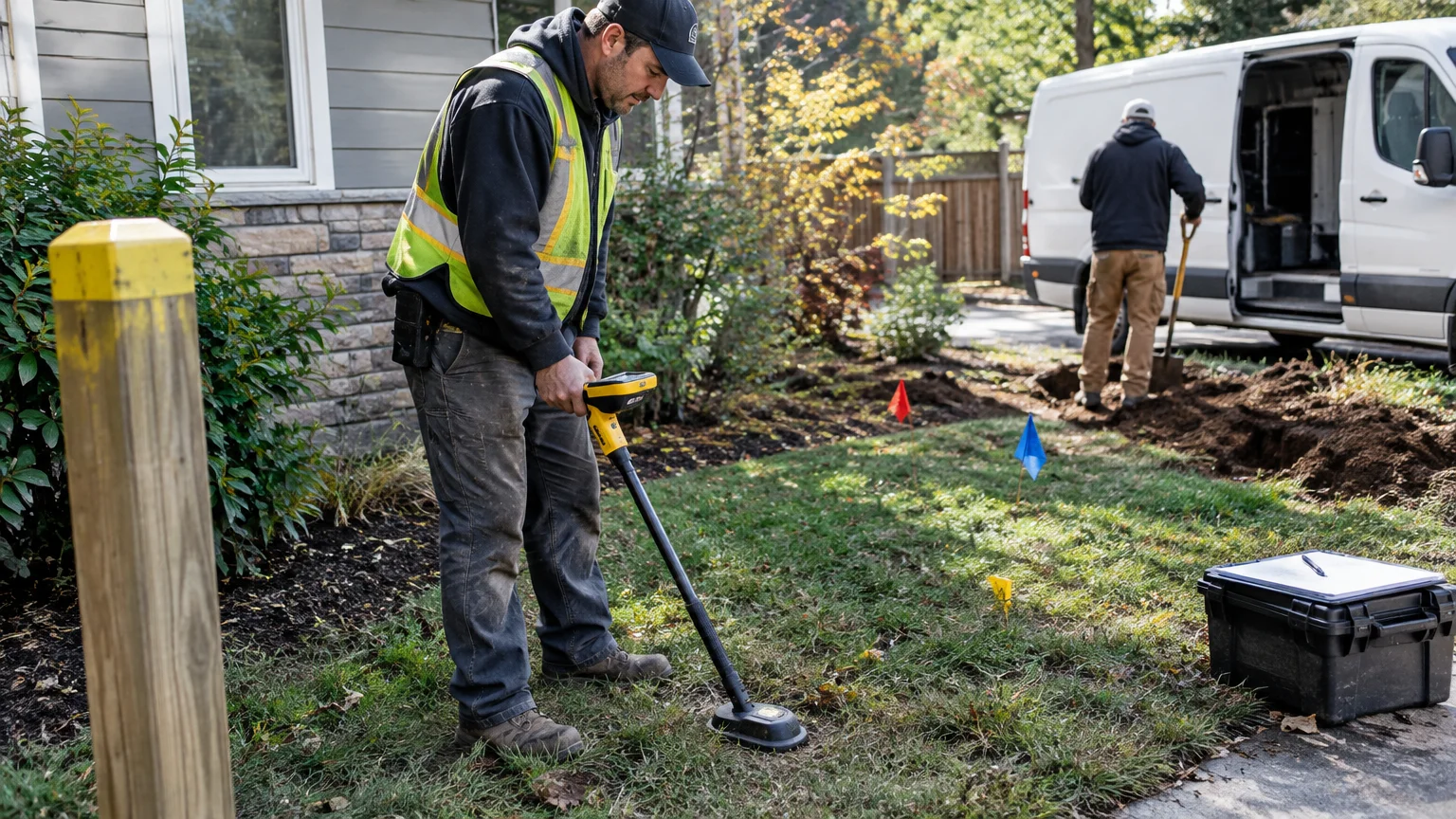
Electronic equipment may help trace a buried pipe or locate a tank. A trained worker may use a probe, transmitter, camera, or another locating tool. The right tool depends on the pipe material, system age, soil, and access.
Electronic locating does not replace a septic plan or inspection. It may show where a line runs, but it does not prove the field is working well. Septic Tank Pumping Ocala can help property owners in the main Ocala area, including Bellechase, Freedom Crossings Preserve, and nearby communities, understand what the equipment can and cannot show.
What Can Go Wrong When Finding a Drain Field?
The biggest mistake is treating a guess as a confirmed location. A wet patch may come from a broken water line. A green strip may simply have healthy grass. An old tank may no longer connect to the current system.
Other buried items can also confuse the search. Utility lines, irrigation pipes, abandoned systems, and drainage trenches may look alike from the surface. Use the national 811 service before digging. Local marking rules and wait times may vary.
How can digging and probing cause damage?
A shovel or rod can puncture a pipe, damage a distribution box, or hit a tank lid. It can also strike an electric, gas, water, or communication line. Damage may cause danger right away or lead to repairs later.
Heavy equipment creates another risk. Cars, trucks, sheds, and filled pools can press down the soil above the field. Tree roots can enter pipes or change how water moves. Keep the area clear until the system layout is known.
What signs suggest a field problem?
A failing field may show several warning signs. These include sewage smells, slow drains, wet ground, wastewater on the surface, or very green grass. One sign does not prove failure, but several signs need quick attention.
Keep people and pets away from wastewater on the ground. Do not cover the area with soil or chemicals. Covering the sign may hide the problem while wastewater keeps moving through the yard.
How Can You Access a Drain Field Safely?
Safe access means reaching the area without harming pipes, soil, people, or nearby utilities. Clear light items only after you know the likely location. Do not dig, drive over the field, or remove covers without guidance.
Your access needs depend on the job. A pumping visit may need the tank lid, not the drain field. An inspection may need the distribution box or observation points. Explain your goal before work starts.
How should the area be prepared?
Remove movable items such as toys, hoses, and small garden tools. Keep vehicles away from the suspected field. Children and pets should stay away during locating or inspection work.
Keep the area easy to reach during wet weather. Mud, standing water, and blocked gates can make service harder. Share records, known pipe locations, and past repairs with the professional.
What safety rules matter around septic parts?
Septic tanks can contain gases that harm or kill people. Never enter a tank, lean over an open opening, or use a flame nearby. Keep covers secure, and treat damaged lids as urgent dangers.
Gloves do not make sewage safe to touch. Avoid contact with wastewater and wash exposed skin right away. Trained workers have the tools and skills needed for tank access and system testing.
When Should You Call a Septic Professional?
Call a septic professional when you cannot confirm the field safely. You should also call when the property has sewage, wet soil, slow drains, alarms, or other warning signs. Professional help is needed before excavation, repair, tank access, or system testing.
Septic Tank Pumping Ocala serves property owners across Ocala and can help with locating questions, inspections, and septic tank pumping. The business can review the clues you have and explain the next safe step for the property.
What information should the homeowner gather?
Collect the septic plan, permit number, inspection reports, and notes about past work. Describe slow drains, wet spots, smells, alarms, or sewage backups. Photos of the yard can also help explain the concern.
Note nearby wells, ponds, streams, driveways, additions, and large trees. Say whether the property is occupied, rented, recently bought, or being prepared for sale. Clear details help the professional plan a safe visit.
What should happen after the field is found?
Mark the field location on a simple property sketch. Record the tank, access lids, outlet line, distribution box, and field edges when known. This record can help future owners and service workers.
Do not use the field for construction or deep planting. Careful water use, regular septic care, and quick action on warning signs can help protect the system. Contact us today to arrange safe help locating or inspecting your system.
Frequently Asked Questions
How deep should a septic tank be?
Septic tanks may be shallow or deeply buried, based on the site and installation. Their depth can change after grading, landscaping, or soil settlement. Use records and professional locating methods instead of guessing. Never dig near a suspected tank before utilities and septic parts are identified.
What is a septic system?
A septic system treats household wastewater on the property. Wastewater flows into a septic tank, where solids settle. Liquid then moves toward a drain field for soil treatment. The system also includes pipes, access points, and soil that must work together.
Who performs a perc test?
A qualified soil worker, engineer, or approved septic designer usually performs or oversees a perc test. Local rules decide who may do the work. A perc test checks how quickly water moves through soil. It helps show whether a site may support a septic system.
How do you spell cesspool?
The standard spelling is cesspool. A cesspool is not the same as a modern septic system with a tank and drain field. Some older property records may use this word even when the current system has different parts. Local records can help explain the system type.
How far does a septic tank need to be from a house?
The required distance depends on local health rules, site conditions, and the approved system plan. Setbacks may also apply to wells, property lines, buildings, and water features. Use the approved permit and local authority instead of copying a distance from another property.
Key Takeaways
- Start with septic permits, site plans, and past inspection records.
- Locate the tank before tracing the drain field.
- A leach field may look like ordinary grass and soil.
- Do not probe, excavate, or drive over an uncertain field.
- Call a professional when records are missing or warning signs appear.
Conclusion
Learning how to find a drain field starts with records, surface clues, and a careful search. A homeowner can gather useful information without disturbing the system. When the location is uncertain, or when sewage and wet soil appear, professional locating and inspection are safer choices. Septic Tank Pumping Ocala helps property owners protect septic systems with clear guidance.
If you are not sure what you are dealing with, it is worth having someone look at it before it turns into a bigger job. Get in touch with Septic Tank Pumping Ocala today and we will tell you where you stand.