The best toilet paper for a septic tank breaks apart fast in water and leaves small pieces behind. Soft paper can still work well when it breaks down quickly. If you ask, “what is the best toilet paper for septic tank” use, look at how the paper separates instead of choosing only by softness or thickness. A simple jar test can help you compare brands at home.
Table of Contents
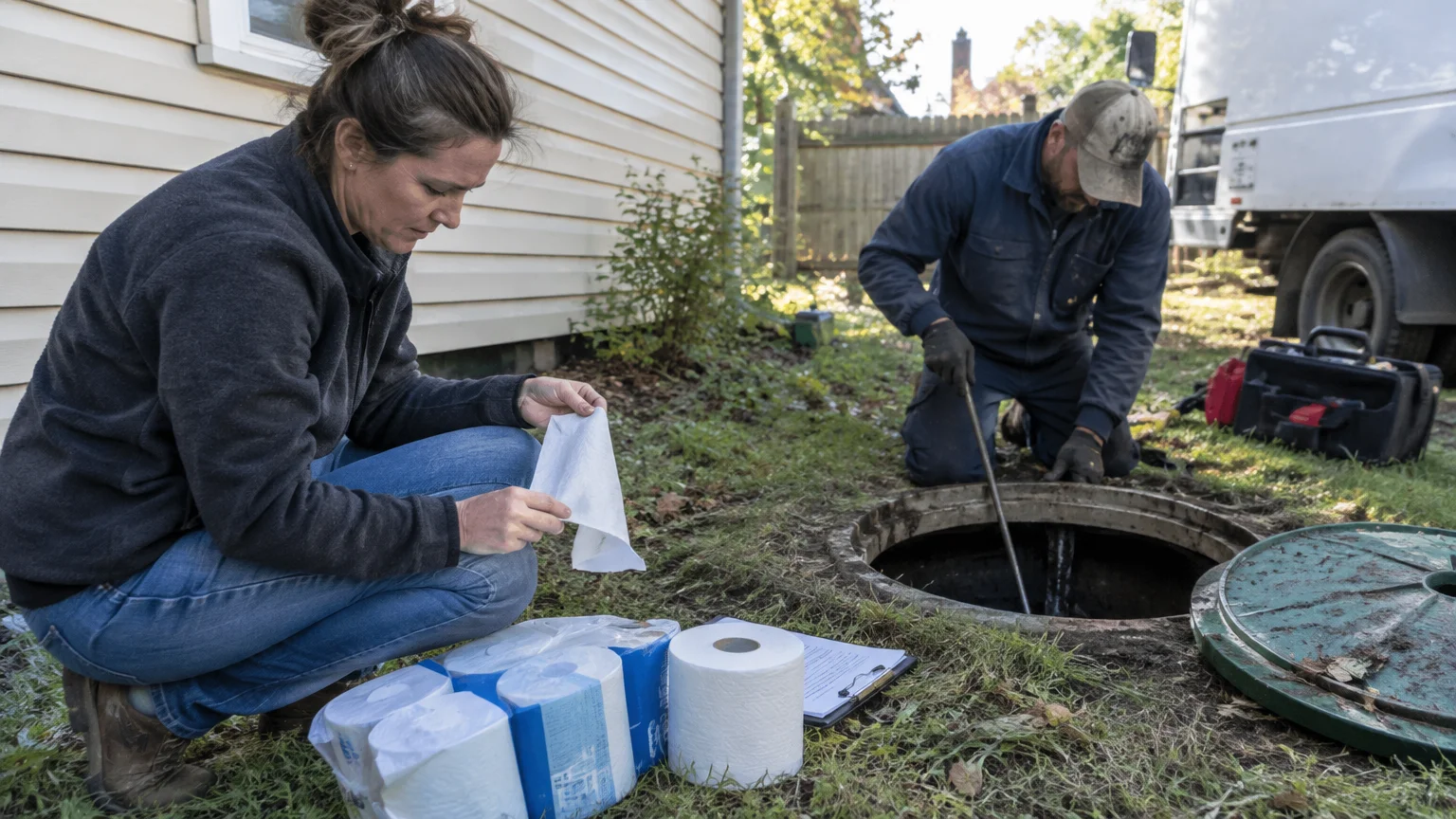
- What is the best toilet paper for a septic tank?
- Does all toilet paper break down safely in a septic system?
- Is one-ply toilet paper better for septic tanks?
- Are recycled and bamboo toilet papers safe for septic systems?
- Are flushable wipes and specialty toilet papers safe for septic tanks?
- How can you test whether toilet paper is septic-safe?
- What other habits help protect a septic system?
- Frequently Asked Questions
What is the best toilet paper for a septic tank?
The best choice is paper that starts to break apart soon after it gets wet. A septic-safe label may help, but it does not tell the whole story. Paper that dissolves well, flushes with normal water use, and has no plastic fibers is often a good choice for a home septic system. It does not need to vanish at once. It should separate into small pieces instead of staying as one strong sheet.
What makes toilet paper septic-safe?
Septic-safe toilet paper is made to break down in water. This matters because a septic tank sorts solids, liquids, and grease. Toilet paper joins the solid waste in the tank. Paper that breaks apart helps the tank work as it should. Still, the words septic-safe do not mean every brand works the same way. Some paper is thick, quilted, or made to stay strong, so it may break down more slowly.
Read the label, use a small amount, and test the paper before buying a large supply. A septic system needs more than the right paper. It also needs enough water flow, healthy bacteria, and regular care. Septic Tank Pumping Ocala can help Ocala property owners learn when septic tank pumping may be needed and which signs need attention.
Paper that stays together may collect in the tank or move toward the drainfield. The drainfield is the soil area that filters liquid waste. Heavy solids can make this process harder over time. Do not flush large amounts at once, even when the paper breaks down well. Good toilet paper helps normal tank use, but it cannot fix an overdue tank or a damaged system.
Does all toilet paper break down safely in a septic system?
No. Most toilet paper is made to break down in water, but some types take longer. Thick paper, decorative paper, and paper with added fibers may stay whole longer. The package label and a simple water test can help you compare products. The test is only a guide. It does not copy every condition inside a septic tank.
What happens to toilet paper inside the tank?
Wastewater flows from the home into the septic tank. Heavy solids settle at the bottom as sludge. Lighter waste rises and forms a layer called scum. Toilet paper mixes with solid waste and starts to break down with help from natural bacteria. A septic tank holds waste until pumping removes the sludge and scum.
If too much solid waste builds up, it may move toward the drainfield. This can cause slow drains, sewage smells, or wet spots in the yard. People asking how to find the right septic pumping schedule should know that pumping removes waste, but it does not replace careful product use. It also cannot repair a damaged system. Do not flush large amounts of paper at one time.
How thick, quilted, and strong paper can differ
Thick paper often needs more time to separate in water. Quilted paper has layers pressed together for comfort and strength. Strong paper may feel useful in a bathroom, but it can stay together longer after flushing. This does not make every thick product unsafe. The main question is how the paper acts when wet.
You can compare products by soaking equal pieces in water. Watch how quickly they separate. Paper that breaks into small pieces is often a better choice than paper that stays as one sheet. This test can help you choose without buying a large package first.
Is one-ply toilet paper better for septic tanks?
One-ply paper often breaks apart fast because it has fewer layers. However, one-ply is not always the best choice. Some two-ply paper also breaks down well. Some thin paper can still stay together when wet. The idea about one-ply paper is partly true, since fewer layers may separate faster. Fiber type, strength, and comfort also matter.
Do not choose paper only by the number of layers on the package. One-ply paper may cause people to use more sheets. That can reduce any benefit from quick breakdown. The better choice is paper that works for your home and breaks apart during a water test. Families, tenants, and property owners do not need to buy the thinnest paper available.
If you want more comfort, look for a septic-safe claim and test the paper at home. A moderate two-ply product may work better than very thick paper. Avoid products that mention plastic fibers, strong wet strength, or added nonwoven material. Do not flush unusually large amounts. Add less paper to the bowl and flush normally when needed.
Keep a wastebasket close by for products that do not belong in the toilet. In Ocala, this helps keep wipes, tissues, and other tough items out of the pipes. You do not need a professional to read labels, compare paper, perform a jar test, or improve daily flushing habits. Professional help is needed when the system has a backup, blockage, damage, or overdue maintenance.
Are recycled and bamboo toilet papers safe for septic systems?
Recycled and bamboo toilet paper can be safe when it breaks down well in water. Fiber type alone does not decide if a product is suitable. Layers, coatings, binders, and wet strength also matter. A product can sound natural but still contain materials that slow its breakdown.
Recycled paper uses fibers that were processed before. Bamboo paper uses fibers from bamboo plants. Both types may break down well, but the finished product can include added materials. A septic system depends on natural breakdown in the tank. Paper that separates into small pieces is less likely to add large clumps to the solid layer. Even suitable paper adds solids, so regular septic tank care remains important.
Do not assume that words like natural, plant-based, or eco-friendly explain how paper acts after flushing. Look for clear wording about septic systems and water breakdown. The package should not mention plastic, mesh, or materials designed to stay strong when wet. If the label is not clear, test a small piece before using the product often.
Useful signs include:
- A clear septic-safe statement from the maker
- Paper that separates easily after soaking in water
- No plastic fibers, mesh, or nonwoven material
- A normal number of layers without heavy quilting
- Directions that do not suggest flushing large amounts
These signs help, but they do not replace good septic habits. The best toilet paper for septic tank use breaks down well and fits normal household use. You can compare products without professional help. A septic professional should inspect a system with slow drains, bad smells, backups, or other warning signs.
Are flushable wipes and specialty toilet papers safe for septic tanks?
Most flushable wipes are a poor choice for septic systems. This is true even when the package says they can be flushed. Wipes are made to stay together when wet. That strength can cause clumps, blockages, and extra solids in pipes or tanks. Toilet paper is made to separate quickly. Wipes are made to clean while staying whole in your hand.
Wipes may travel through the pipes as whole sheets or tangled groups. They can gather at pipe bends, pumps, tank outlets, or other narrow spots. They may also reach the drainfield before they break down. A toilet may flush well today and still develop a problem later. The same concern can apply to cleaning sheets, makeup wipes, paper towels, tissues, and shop towels.
Put these products in household waste unless local rules say otherwise. A label that says flushable does not mean the product is right for every septic system. The safest choice is a lined wastebasket. Diapers, cotton swabs, dental floss, sanitary products, and paper towels should also stay out of the toilet.
Never flush grease, paint, chemicals, medicine, cat litter, or household trash. These items can harm helpful bacteria, block pipes, or add solids the system cannot handle. You can use a wastebasket and follow disposal directions yourself. A plumber or septic professional can explain proper disposal when a label is unclear or a blockage may have formed.
How can you test whether toilet paper is septic-safe?
A jar breakdown test gives you a quick way to compare toilet paper. It shows how paper reacts in water, but it does not copy every condition inside a septic tank. Use the result as a guide. It should not replace advice from the maker or a septic professional. Most homeowners can do this test with water, a clear jar, a little paper, and gentle shaking.
A simple jar breakdown test
Place a few sheets of paper in a clear jar filled with water. Close the jar and shake it gently for several seconds. The paper should start to separate into small pieces. It should not stay as one strong sheet. Compare similar amounts of each product. Too much paper can make any product seem slow to break apart.
Keep the water, paper amount, and shaking time the same. A simple process is:
- Add water to a clear jar.
- Place a small, equal piece of each paper inside.
- Close the lid and shake gently.
- Watch whether the paper separates or stays whole.
- Choose paper that breaks apart without large clumps.
What the test can and cannot prove
The jar test does not measure the full effect of paper on pipes, a septic tank, or a drainfield. Tank size, water use, soil, bacteria, plumbing design, and home habits also matter. Paper that passes the test can still cause trouble if you flush too much. The test also cannot show whether the tank needs pumping.
People asking how to find the right time for septic care should check maintenance records. Slow drains, bad smells, wet ground, and backups also need attention. Septic Tank Pumping Ocala serves property owners and can help review septic care needs. You can perform the jar test and basic checks yourself. A professional should handle sewage backups, drainfield trouble, structural damage, or unsafe conditions.
What other habits help protect a septic system?
The best toilet paper works best with careful daily habits. A septic system should receive wastewater, human waste, and toilet paper only. Keep all other items out of the toilet and household drains. Water use matters too. Large bursts of water can move solids through the tank before they settle.
Keep these items out of the septic system:
- Flushable and baby wipes
- Paper towels, tissues, and cleaning cloths
- Diapers and personal care products
- Dental floss, cotton swabs, and hair
- Grease, paint, harsh chemicals, and litter
- Food scraps, medicine, and household trash
Fix leaking toilets and faucets so extra water does not enter the system. Spreading laundry loads through the week may also reduce sudden flow. You can fix small leaks when you have the right skills. You can also keep unsuitable products out of drains and manage water use yourself. Call a professional when a leak is hidden, wastewater backs up, or the cause is not clear.
When professional septic tank pumping may be needed
Septic tank pumping removes sludge and scum that bacteria cannot fully clear. Professional help may be needed when drains slow, sewage smells appear, wastewater backs up, or the yard becomes wet near the tank or drainfield. These signs can also point to a clog, broken pipe, or drainfield problem. Pumping alone may not solve the main issue.
A new property, a home with changing occupancy, and an older system may need different care plans. Tank depth, access, soil, and system design can affect inspection and pumping work. A perc test checks if soil can absorb wastewater. It does not replace tank service. You do not need a professional to choose toilet paper or handle simple upkeep. Inspection, pumping, repairs, and wastewater hazards need trained help.
Key takeaways
- Choose toilet paper that breaks apart quickly in water.
- One-ply paper is not always better than suitable two-ply paper.
- Recycled and bamboo paper can work when the finished product breaks down well.
- Keep wipes, paper towels, grease, and trash out of the toilet.
- Good products do not replace timely septic tank pumping.
Frequently Asked Questions
What is the best toilet paper for a septic tank? The best toilet paper breaks apart quickly in water and has no plastic fibers. A septic-safe label helps, but a small jar test can give more information. Moderate two-ply paper may work as well as one-ply when it separates easily and you avoid flushing large amounts.
Is thick toilet paper bad for a septic system? Thick paper is not always unsafe, but it may take longer to separate. Quilted layers and strong wet fibers can leave larger pieces in the tank. Test the product in water and watch how much paper your home uses with each flush.
Can flushable wipes go into a septic tank? Flushable wipes are best placed in a lined wastebasket. They are made to stay strong when wet, so they may gather in pipes, pumps, or tanks. The word flushable does not mean they break down like toilet paper in every septic system.
Are bamboo and recycled toilet papers safe for septic tanks? They can be safe when the finished paper breaks apart well in water. Fiber type is only one part of the product. Check for a septic-safe claim, avoid plastic fibers, and use a jar test when the label is unclear.
How often should a septic tank be pumped? The right timing depends on tank size, household size, water use, waste volume, and system design. Pumping may be needed sooner when drains slow, odors appear, or wastewater backs up. A local septic professional can review the system and suggest a care plan.
Conclusion
The best toilet paper for a septic tank is not always the thinnest or softest choice. It is paper that breaks apart well, has no plastic fibers, and is used in sensible amounts. Good habits also mean keeping wipes, grease, chemicals, and trash out of the plumbing. You can handle label checks, product tests, and simple upkeep yourself. Warning signs and system maintenance need trained help.
Septic Tank Pumping Ocala helps property owners make informed septic care choices and nearby communities, including Bellechase and Freedom Crossings Preserve. Contact us to discuss septic tank pumping and ways to protect your system.