The 1000 gallon concrete septic tank cost depends on the tank design, site access, soil, excavation, and local rules. Easy access may make the work simpler. Narrow gates, wet soil, or an old system can add work. The final cost is confirmed in a written quote after the property and system are reviewed.
Table of Contents
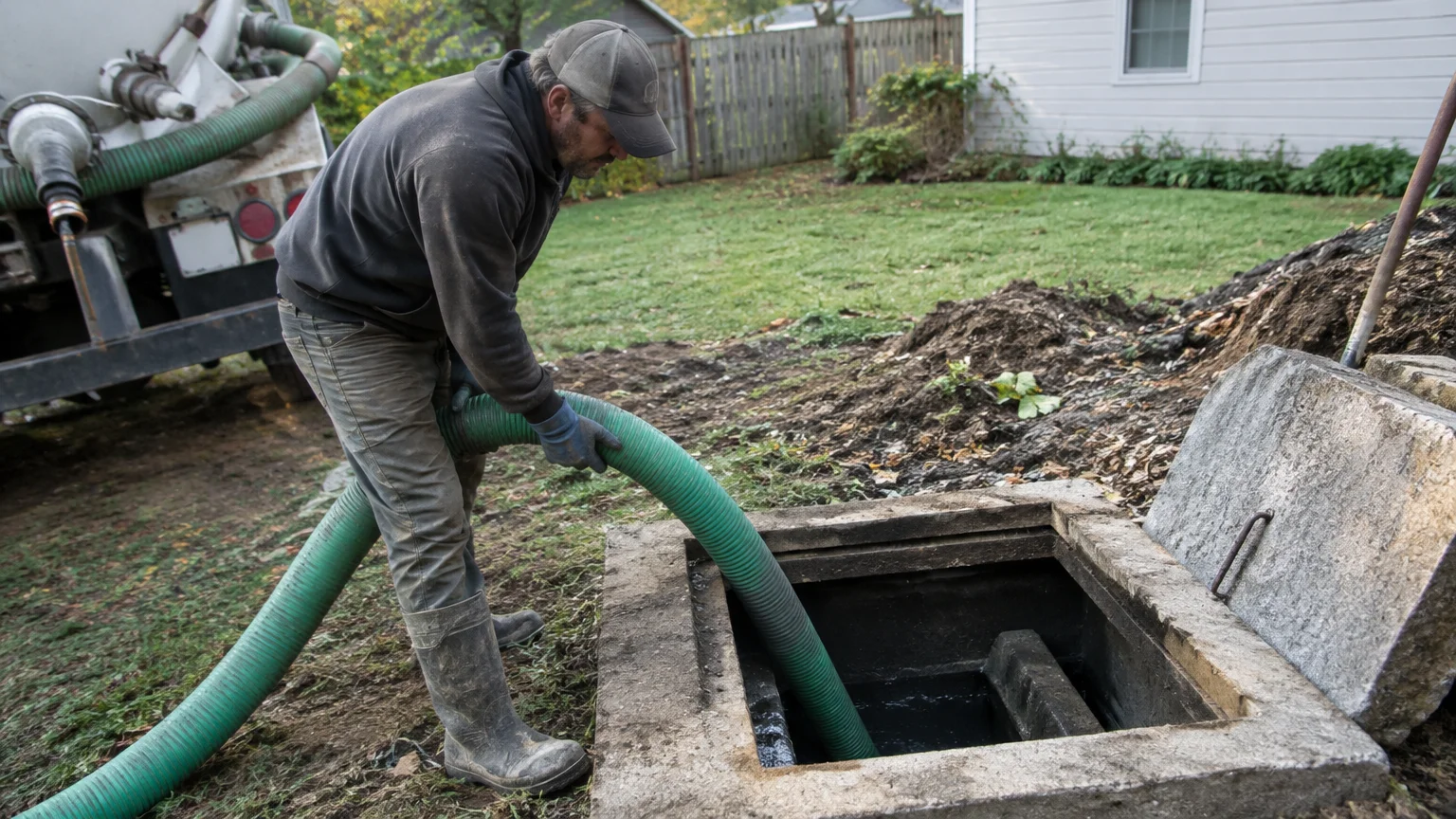
- What affects the cost of a 1000 gallon concrete septic tank?
- How does a 1000 gallon concrete tank compare with other tank sizes?
- Does concrete tank construction change the installation cost?
- How do access and property conditions affect the final quote?
- What should a septic tank installation quote include?
- When should homeowners request a septic tank installation quote?
- How can homeowners prepare for a septic tank installation appointment?
- Key takeaways
- Frequently Asked Questions
- Conclusion
What affects the cost of a 1000 gallon concrete septic tank?
The main cost factors include tank design, delivery access, digging, soil, and local rules. Tank size matters, but it is only one part of the work. A provider must also check the tank location and see if extra site work is needed.
A 1000 gallon tank may work for some homes and properties. The right choice depends on water use and the full system design. More residents, frequent laundry, guests, garbage disposals, and high water use can change the needed capacity. The approved system plan should guide the final choice.
Tank size, system design, and household usage
A septic tank holds solids and liquid. This lets them separate before wastewater moves to the drainfield. The tank must fit the home’s wastewater load and work with the other system parts.
Homeowners should not choose a tank by capacity alone. A provider may ask about residents, bathroom use, laundry, and planned home changes. These details help show whether a 1000 gallon septic tank suits the property.
Access, location, and site conditions
The tank location can change the work plan. A site near a driveway may be easier to reach than one behind a fence or under landscaping. Wet ground, steep slopes, narrow gates, and soft soil can add planning needs.
Septic Tank Pumping Ocala helps Ocala property owners review these details. This can be useful when records are missing or the tank location is not clear. A site review helps separate normal installation work from added work caused by the property.
How does a 1000 gallon concrete tank compare with other tank sizes?
A 1000 gallon septic tank holds more than a 500 gallon septic tank and less than a 1500 gallon septic tank. A larger tank has more holding space, but it may need more room and different delivery plans. The right size still depends on household use and the approved system design.
A concrete septic system uses a strong, heavy material. Its lids, seams, baffles, and inlet and outlet areas still need review. Septic tank replacement fixes the tank, but it may not fix a damaged line, drainfield, or plumbing problem.
Capacity and installation requirements
A smaller tank has less holding space when a home uses it often. A larger tank gives more room, but it may need a larger excavation area. Delivery equipment must also reach the planned location safely.
Homeowners should keep installation records and note the tank size. These records help future providers plan maintenance. They also help buyers compare a 1000 gallon tank with a 1500 gallon septic tank during a property review.
Household size and wastewater volume
Household size affects the amount of water entering the system. Showers, toilets, washing machines, and kitchen use all add wastewater. A leaking toilet can add water all day and place extra strain on the tank and drainfield.
Future changes matter too. More residents, a rental use, an added bathroom, or frequent guests can change system use. Septic Tank Pumping Ocala can explain how these changes may affect tank selection and maintenance needs.
Does concrete tank construction change the installation cost?
Concrete construction can change delivery and installation needs. It does not create one fixed cost for every property. The provider may review the walls, lids, openings, baffles, and connection points.
Concrete tanks are heavy. Moving, placing, or replacing one may need special equipment and careful planning. The quote should separate the tank from digging, delivery, connections, and added work. This helps the owner understand the full installation plan.
Concrete tank features technicians inspect
A provider may inspect the inlet and outlet areas during installation. Baffles help control flow and keep solids inside the tank. These parts must work well with the rest of the system.
The provider may also check lids and risers. A riser is a tube that brings the tank opening closer to the ground surface. Safe access makes future septic pumping and maintenance easier. Installation notes should explain any concerns in plain language.
How tank condition can affect the installation
A replacement job may involve cracked lids, worn seals, shifted connections, or damaged walls. Soil movement can press against tank parts. Roots, standing water, and old repairs may also affect digging and connection work.
Homeowners should ask for photos or clear notes when a problem appears. They should never enter a septic tank or lean over an open excavation. Septic tanks contain dangerous gas. Only trained workers with proper equipment should handle these areas.
How do access and property conditions affect the final quote?
Access can affect the final quote because delivery vehicles and digging equipment need a safe route. Buildings, narrow gates, slopes, and soft ground may change the work plan. A clear review helps prevent confusion when work begins.
Some tanks sit near the home. Others are under a yard or driveway. Property records, old inspection reports, and approved plans may help show the system layout. Homeowners can look for visible features, but they should not dig before checking for utility lines.
Excavation, risers, and difficult-to-reach sites
Tank installation needs an excavation that fits the tank and site. A riser can keep the access point near the surface and reduce future digging. The provider should confirm that the lids are safe, strong, and secure.
A tank under a deck, shed, driveway, or thick landscaping may need more planning. The provider may suggest another layout. Site preparation may be included or listed as separate work. The owner should approve added work before it starts.
Driveway, soil, and seasonal access considerations
Heavy vehicles can damage soft ground, wet lawns, or weak driveways. Rain and flooding can make parts of a property unsafe to reach. The provider may use another route or wait for safer ground.
Homeowners should clear gates and remove items near the work area. They should mention pets, low branches, irrigation lines, and known utility lines. These details help the provider plan a safer installation.
What should a septic tank installation quote include?
A provider that offers septic tank pumping should give a separate quote for tank installation. The quote should describe the tank, access, excavation, delivery, connections, and extra services. It should state what the provider will supply, install, connect, and document.
A clear quote helps owners compare plans without guessing. It should explain any site conditions that need separate approval. Quotes can differ because providers use different equipment, tank designs, service areas, and work methods. The final cost should be confirmed in a quote before work begins.
Tank delivery, excavation, and placement
The quote should say whether it includes delivery, excavation, base preparation, placement, and connections. It should also explain how soil or an old tank will be handled under local rules. Site repair may need its own plan.
The owner should ask about difficult soil, limited access, groundwater, and an existing tank. Each condition may change the work plan. A reliable provider should explain the planned installation in simple terms before starting.
Inspection notes and additional services
The quote may include notes about lids, risers, baffles, tank walls, connections, and drainage. It may list locating, excavation, access work, old-tank handling, or other services separately. This keeps the tank purchase clear from added site work.
Homeowners should read the quote and ask about unclear terms. They should confirm the tank details, access plan, installation scope, and follow-up needs. No provider can confirm the final cost without reviewing the system and property.
When should homeowners request a septic tank installation quote?
Homeowners should request a quote before an old or damaged tank causes an urgent problem. They should also plan ahead for new construction, a home purchase, an addition, or a major change in water use. Early planning gives the provider time to review records and site access.
A quote can help when the tank size or condition is unknown. It may also help when a property has changed owners or an older concrete system has not been checked. Septic Tank Pumping Ocala serves property owners in the main Ocala area, from Bellechase and Freedom Crossings Preserve to nearby neighborhoods and communities.
Warning signs that replacement may be needed
Common warning signs include damaged lids, sewage odors, wet ground, and wastewater backups. These signs may point to a tank problem, blocked line, drainfield issue, or another concern. They should not be ignored.
- Tank lids or access parts look damaged.
- Sewage odors appear indoors or near the tank.
- Wet or very green soil appears near the system.
- Wastewater backs up into the home or a fixture.
- The tank’s age, condition, or history is unknown.
A warning sign does not prove that tank replacement is needed. A qualified provider should inspect the system and explain the likely cause.
Planning before a property purchase or installation visit
Buyers should ask for installation records, inspection reports, tank size, and repair history. They should confirm the tank and drainfield locations. A septic review can find concerns that a normal home tour may miss.
Owners should plan the visit when access is clear and the ground is stable. After work, they should keep records of the date, tank size, visible condition, system layout, and follow-up needs.
How can homeowners prepare for a septic tank installation appointment?
Homeowners can prepare by gathering records, clearing access, and writing questions. They do not need to open the tank or dig around it. Simple preparation helps the provider work safely and gives the owner better information.
Children and pets should stay away from the work area. Owners should also mention backups, odors, wet ground, and recent plumbing changes. Honest details help the provider review the system and site.
Information to gather about the system
Useful records include the tank size, installation date, inspection reports, approved plans, and repair receipts. The owner should note the number of residents and recent changes in water use. If the planned tank is a 1000 gallon concrete septic tank, that detail should be shared before the visit.
Homeowners can ask sellers, landlords, past owners, or local records offices about the system. They should not assume that a visible cleanout marks the tank location. A provider can help confirm the layout safely.
Questions to ask before approving the work
Homeowners should ask what the quote includes and what conditions may add work. They should ask how access, digging, delivery, connections, and site repair will be handled. They should also ask what happens if a damaged line or poor tank location is found.
A property owner does not need a professional to gather records, clear a path, or check visible signs from a safe distance. Professional help is needed for tank handling, excavation, gas exposure, utility digging, connections, septic pumping, and repairs. Emergency pumping may be needed when sewage is backing up or the system cannot safely be used.
Key takeaways
- The 1000 gallon concrete septic tank cost depends on more than tank size.
- Access, soil, tank design, household use, and local rules affect the quote.
- A 500 gallon septic tank and a 1500 gallon septic tank have different needs.
- Homeowners should never enter a tank or approach unsafe excavation.
- The final cost is confirmed after the provider reviews the system and site.
Frequently Asked Questions
How is the right septic tank size selected?
Tank size depends on household use, water flow, property design, local rules, and the planned system. A home with more residents or plumbing fixtures may need a different capacity. Homeowners should follow the approved design and keep installation records. The right size should be confirmed after the property and wastewater needs are reviewed.
Is a concrete septic tank better than another tank type?
Concrete tanks are strong and heavy, but no material suits every property. Soil, installation quality, age, access, and maintenance all matter. A provider should review the tank, lids, baffles, and connections. The best choice depends on local rules and site conditions.
How deep should a septic tank be?
Tank depth varies by design, soil, land shape, frost, and local rules. Access lids should stay safe and easy to reach for maintenance. Homeowners should not dig blindly because utility lines may be nearby. Records or a qualified provider can help locate the tank safely.
How far does a septic tank need to be from a house?
Required setbacks vary by local and state rules, site layout, soil, and system design. The tank also needs safe access for future maintenance. A property owner should check approved plans or ask a qualified local provider. Distance from the house alone does not prove that the whole system is placed correctly.
Who installs septic tanks near me?
A qualified local septic provider can explain installation, inspection, pumping, and repair needs. Homeowners should check qualifications, service details, tank specifications, and written quote terms. Septic Tank Pumping Ocala can help property owners understand the next step without judging the project by tank size alone.
Conclusion
The 1000 gallon concrete septic tank cost depends on the full installation plan. Access, household use, tank design, excavation, soil, and local rules all matter. Good records and early planning can make the project easier to understand.
Septic Tank Pumping Ocala helps property owners review tank needs and prepare useful questions. Contact us to request a septic tank installation quote and discuss the system before approving the work.