A drain field can serve a home for many years when the septic system is sized, installed, and cared for well. How long does a drain field last? Soil, design, water use, tank pumping, drainage, and daily care all matter. Ocala property owners can help avoid major trouble by watching for early warning signs.
Table of Contents
- How long does a drain field last?
- What signs show that a drain field is aging?
- Can homeowners maintain a drain field themselves?
- What steps help a drain field last longer?
- What can go wrong when a drain field is neglected?
- When should you call a septic professional about a drain field?
- What happens when a drain field reaches the end of its life?
- Frequently Asked Questions
How long does a drain field last?
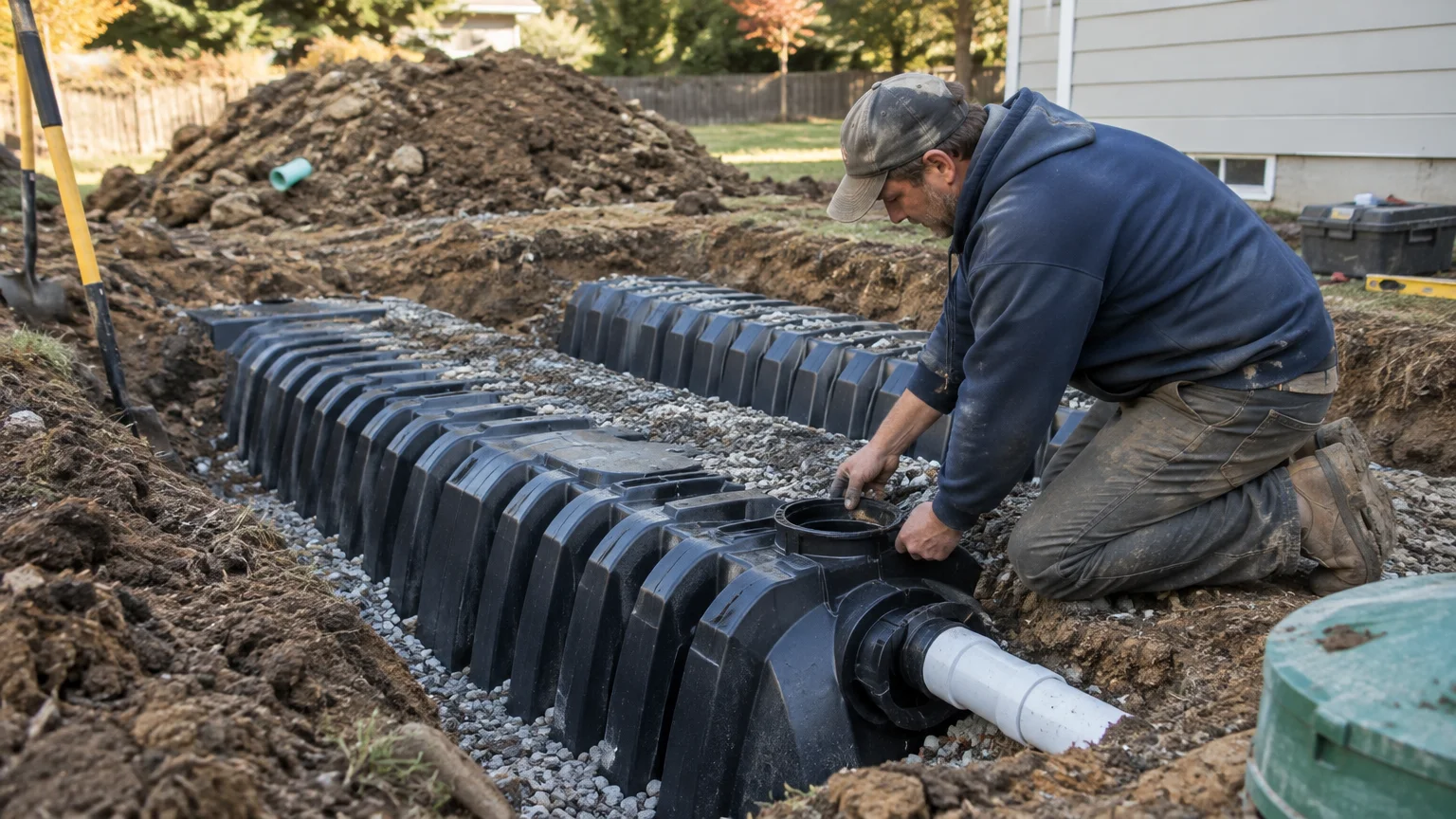
A well-cared-for drain field may work for decades. Still, no single life span fits every system. A drain field is the part of a septic system that receives liquid from the tank. It lets that liquid soak into the soil. It is also called a leach field or leech field.
The soil filters the liquid as it moves down. This helps protect nearby groundwater. Pipes, trenches, chambers, and soil all help the system work. A drainfield for septic tank wastewater needs enough space and the right soil.
What is a drain field and how does it work?
A septic system collects wastewater from a home or building. Solids settle inside the septic tank. Liquid leaves through an outlet pipe. It then enters the drain field through lines that spread the flow.
The soil takes in the liquid and helps remove many harmful materials. The field needs open spaces, good drainage, and enough room for wastewater. If the soil becomes sealed, wet, packed, or overloaded, treatment may not work well.
A septic tank is a buried container that separates solids, liquids, and scum. The drain field handles the liquid that leaves the tank. Both parts must work together for the system to serve the property safely.
What affects a drain field’s expected lifespan?
Many things affect how long a drain field lasts. Soil type, field size, system design, and installation quality all matter. Household size and daily water use also play a part. A system that serves too many people may wear out sooner.
Heavy vehicles can crush pipes or pack the soil. Roof runoff can soak the field. Tree roots may enter damaged lines. Delayed septic tank pumping can let solids move toward the field. Septic Tank Pumping Ocala can help Ocala property owners learn which conditions may harm an existing system.
What signs show that a drain field is aging?
An aging drain field may cause changes in the yard, plumbing, or indoor air. Early signs can seem small. Do not ignore slow drains, wet soil, or sewage smells. These signs do not always prove field failure, but they need attention.
Which warning signs can homeowners notice first?
Homeowners may notice one or more of these changes:
- Soggy soil or standing water above the field
- Grass that grows faster or looks greener in one spot
- Sewage odors near the tank, field, or plumbing fixtures
- Slow drains or toilets that flush poorly
- Sewage backing up inside the home
- Gurgling sounds from sinks, tubs, or toilets
A bright green patch may come from extra moisture and nutrients. It does not always mean the field has failed. Repeated wetness, bad smells, or backups need a closer look.
The same signs can come from other septic problems. A full tank, blocked pipe, or damaged baffle can create similar trouble. A baffle is a part that helps control flow inside the tank. A professional can find the true cause.
How can you tell normal maintenance issues from drain field failure?
A full septic tank can cause slow drains, odors, and backups. A blocked pipe may cause them too. A damaged baffle can change how wastewater moves. These problems may be easier to fix than a failed field.
Drain field trouble becomes more likely when signs remain after pumping. It is also more likely when several warning signs appear together. Sewage on the ground is urgent. Keep people and pets away until the cause is checked.
Can homeowners maintain a drain field themselves?
Yes. Homeowners can do simple checks and safe daily upkeep. They should not dig into the field or open buried parts. They also should not change pipes without proper training. Septic tanks and fields can contain harmful wastewater and dangerous gases.
Which routine maintenance tasks are safe for property owners?
Safe care starts with watching water use and protecting the field. Keep a record of pumping and inspection dates. Look for odd smells, wet spots, slow drains, and changes in the yard.
Keep vehicles off the field. Direct roof water away from it. Make sure downspouts do not drain over the system. Grass is often a good cover because it helps stop soil loss. Keep deep-rooted trees and large shrubs away from buried septic parts.
Spread laundry loads across the week. Repair leaking toilets and faucets soon. Even a small leak sends steady water into the system. That extra flow can add stress over time.
Homeowners do not need a professional for these simple checks. They should call one when they see sewage, repeated backups, or signs that need digging or testing.
When should a homeowner avoid digging, repairs, or system changes?
Avoid digging when the tank, lines, or field location is not known. Septic covers may be hidden below the ground. Digging can damage pipes or create a fall risk. Have buried parts located before any work begins.
Do not add chemicals to force the field to work again. Do not drive equipment across the area. Do not build a pool, shed, patio, or paved area over it. Septic Tank Pumping Ocala can explain which checks are safe and which work needs a trained professional.
What steps help a drain field last longer?
The best protection is steady, moderate use. A drain field works better when wastewater enters at a manageable rate. The soil also needs to stay open and dry enough to accept water. Good care protects the field from excess water and physical damage.
How should septic wastewater use be managed?
Fix plumbing leaks and avoid sending extra water into the system. High-flow fixtures, long showers, and many laundry loads at once can create heavy demand. Spacing out water use gives the tank and field more time to process wastewater.
Only suitable wastewater should enter household drains. Grease, paint, solvents, harsh chemicals, and many cleaning products may harm the system. Toilets should receive human waste and toilet paper only. Put wipes, paper towels, and hygiene products in the trash.
Think about how the system is used by everyone in the home. Tenants, guests, and family members should know what belongs in the drains. Clear rules can help prevent damage caused by daily habits.
How do pumping, inspections, landscaping, and drainage protect the field?
Regular pumping removes solids before they reach the outlet and drainfield. The right schedule depends on tank size, household use, solids, and local rules. An inspection may find trouble before wastewater reaches the yard.
Keep the field covered with grass or other shallow-rooted plants. Keep heavy traffic, livestock, and buildings away. Surface water should flow away from the field. It should not collect above it.
A perc test, short for percolation test, checks how fast soil takes in water. A qualified local professional or public health office may perform or oversee one. A perc test often matters for a new system or major replacement. It does not replace an inspection of an existing field.
Property owners should keep records of all pumping, inspections, repairs, and permits. These records help show how the system has been used. They can also help a future owner or service professional find the tank and field.
What can go wrong when a drain field is neglected?
Neglect can reduce the soil’s ability to take in wastewater. Solids may leave an overloaded tank and block soil spaces. Extra water can leave the field saturated. Vehicles can press the soil together and reduce air movement.
How do excess water, soil compaction, and root growth cause damage?
A drain field needs room for wastewater to spread through the soil. Roof runoff, sump pump water, or poor yard grading can add water from outside the septic system. This leaves less room for household wastewater.
Packed soil has fewer open spaces. Trucks, tractors, and parked vehicles can harm the field even when the surface looks normal. Roots can also affect pipes or chambers. This is more likely when trees grow too close to the system.
A drain field chamber is a structure that holds and spreads wastewater below ground. Chambers leave open space around the distribution area. They still need suitable soil and proper care. A chamber cannot fix an overloaded or poorly drained site.
Can improper septic tank pumping or repairs shorten the system’s life?
Yes. Pumping that is delayed, incomplete, or done without checking the tank can leave solids behind. Poor repairs may cause leaks, uneven flow, or damage to pipes and lids. All work should match the system design and local rules.
Unapproved chemicals and biological products are not a good substitute for pumping. When a problem appears, guessing can make repairs harder. A professional review can tell whether the issue is in the tank, plumbing, or field.
When should you call a septic professional about a drain field?
A septic professional should inspect the system when wastewater surfaces, sewage odors continue, or indoor backups occur. Prompt help matters when children, pets, or water sources could contact wastewater. Waiting may allow a small fault to harm more of the field.
Which symptoms require prompt inspection?
Seek help for sewage in the yard, repeated backups, or toilets that stop working. Act when several drains slow down at once. A wet spot that returns after dry weather is another strong warning sign.
Before service arrives, limit water use. Stay away from visible wastewater. Keep children and pets away too. Do not dig. Photos of wet spots, smells, and plumbing symptoms may help explain what changed.
What should an inspection or drain field evaluation include?
An evaluation may check the tank level, inlet and outlet baffles, lids, distribution box, pipes, and soil. It may also look for wastewater on the surface. The professional may ask about past pumping, repairs, water use, and the property layout.
The evaluation should show whether the issue comes from the tank, plumbing, drainage, or field. It may show whether a repair, added treatment, or replacement review is needed. Local rules can affect which work is allowed and what approvals are required.
What happens when a drain field reaches the end of its life?
A failed drain field cannot treat wastewater as designed. Some fields need a focused repair. Others need a new field or a larger system change. The right answer depends on the cause, soil, layout, permits, and space.
Can a failing drain field be repaired or does it need replacement?
A professional may repair a broken pipe, damaged distribution box, blocked outlet, or drainage problem. These repairs may restore function when the soil still works. A field with long-term saturation, severe clogging, or major soil failure may need replacement.
Do not assume pumping alone will fix a failed field. Pumping lowers the tank level, but it does not restore damaged soil. A proper review should explain the problem and possible next steps before work begins.
How can property owners plan for long-term septic system care?
Keep records of pumping, inspections, repairs, permits, and system locations. This information helps future owners, tenants, and service professionals understand the property. It also helps with planning when a home is sold or expanded.
New owners should ask where the tank and field are located. They should ask what the system serves and whether past records exist. Knowing the system parts makes warning signs easier to understand.
Property owners in Ocala should also learn local rules before changing a septic system. A new room, addition, or replacement field may affect the system’s needs. Early planning can help prevent rushed decisions when trouble appears.
Frequently Asked Questions
How deep should a septic tank be?
A septic tank should be buried deeply enough to protect the tank and pipes. The correct depth depends on the tank design, soil, frost conditions, and local rules. Covers should stay easy to reach for inspection and pumping. A professional should locate buried parts instead of guessing or digging blindly.
What is a septic system?
A septic system treats household wastewater on the property. It usually has a septic tank, outlet pipe, distribution parts, and drain field. The tank settles solids. The drain field releases liquid into suitable soil. Good design, careful water use, and regular care help the system work safely.
Who performs a perc test?
A qualified soil professional, septic designer, engineer, or approved local authority may perform or oversee a perc test. The exact rule depends on the location and project. Check with the local health department before planning a new system, addition, or field replacement.
How do you spell cesspool?
The standard spelling is cesspool. A cesspool is usually a covered pit that receives wastewater. It does not use the same treatment and soil design as a modern septic system. Use the correct system name when reviewing records or speaking with a professional.
How can someone locate a septic tank?
A septic tank may be found through property records, installation drawings, inspection records, or the plumbing layout. A trained professional may also locate it with careful probing. The tank may be several feet from the home, but each property differs. Digging without a plan can damage pipes or create a safety risk.
Key Takeaways
- A drain field’s life depends on soil, design, water use, and care.
- Leach field and leech field are common names for the same area.
- Wet spots, odors, slow drains, and backups need prompt attention.
- Homeowners can manage water use and protect the field without digging.
- Pumping and inspections can help stop hidden faults from reaching the field.
Conclusion
A drain field can last many years when wastewater use stays reasonable and the system receives proper care. Protect the field from vehicles, runoff, roots, and construction. Respond quickly to odors, wet ground, slow drains, and backups.
Septic Tank Pumping Ocala helps property owners understand septic tank pumping and drain field care in the main Ocala area. The business serves Bellechase, Freedom Crossings Preserve, nearby neighborhoods, and surrounding communities. Contact us to arrange help with a drain field concern or routine septic maintenance.