The answer to how often pump septic system maintenance is needed depends on tank size, household use, solids, and system design. Many homes need regular pumping, but no single schedule works for every property. A septic professional can review the tank, past service, and current use to help set a safe plan for your Ocala home.
A septic system can work well for years with simple care and planned service. Waiting for a backup is risky because problems can grow underground before signs appear. The best plan uses service records, inspections, careful water use, and advice that fits the property.
Table of Contents
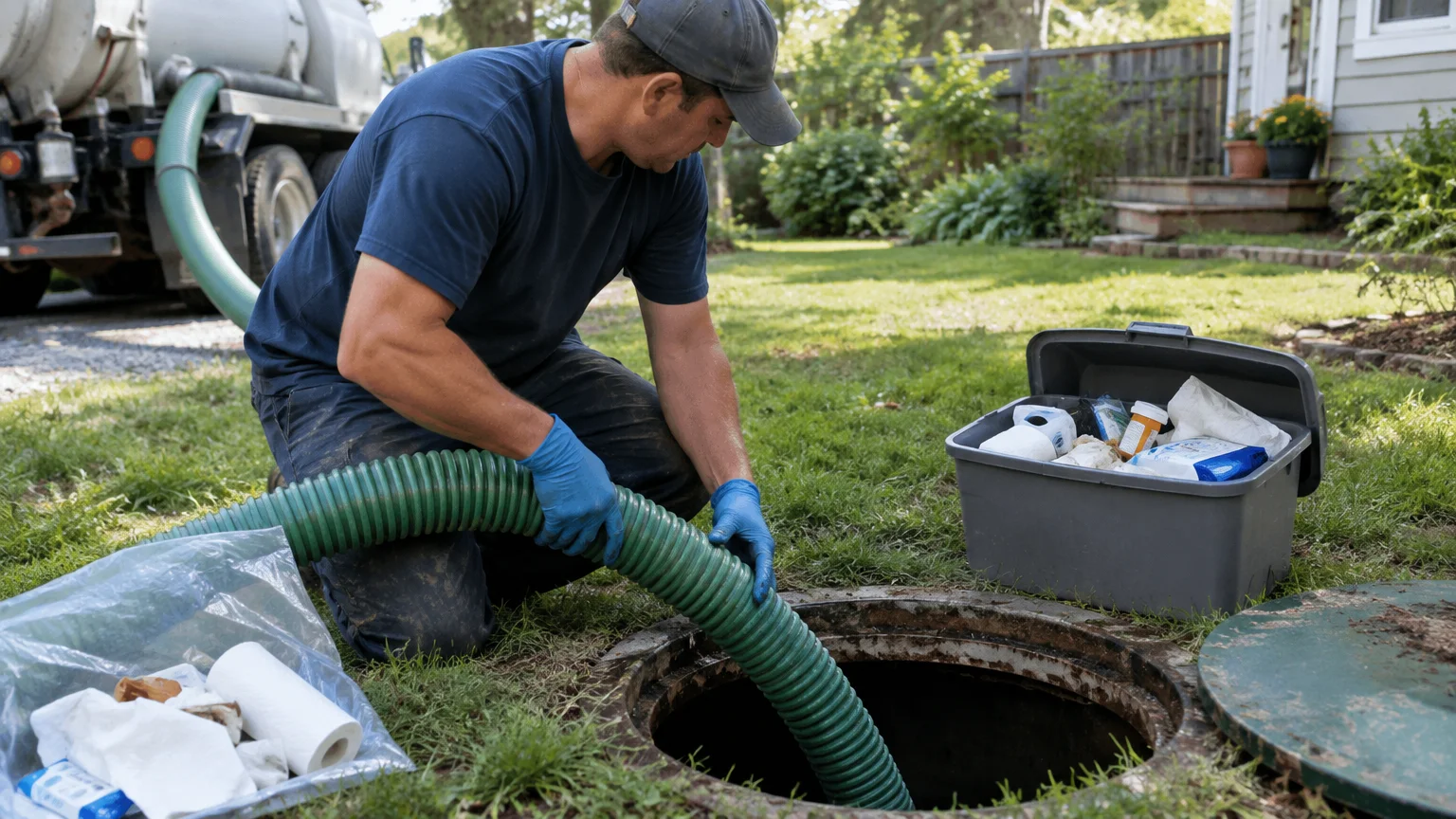
- How often should you pump a septic system?
- What factors determine how often a septic tank needs pumping?
- Can homeowners tell when a septic system needs pumping?
- What septic tank maintenance can a homeowner handle?
- What septic system work should homeowners not attempt?
- How can you prepare for a septic tank pumping appointment?
- What happens during a septic tank pumping service?
- What can go wrong when septic pumping is delayed?
- What affects the cost of septic tank pumping and repairs?
- When should you call a septic tank pumping professional?
- Frequently Asked Questions
- Conclusion
How often should you pump a septic system?
Most homes need regular septic tank pumping based on tank size, water use, and the number of people in the home. A busy home with a small tank may need service sooner. A lightly used home with a larger tank may go longer. Soil, weather, local rules, and system design can also change the plan.
A septic system treats wastewater from a home. The tank holds the wastewater and lets heavy solids settle as sludge. Light material floats as scum. Liquid between these layers flows toward the drainfield for more treatment. Pumping removes sludge and scum before they take up too much space.
Homeowners should not wait for a backup before planning service. A tank can become too full without making a clear sign. A full tank may send solids into the drainfield. These solids can clog the soil and harm system parts. Keeping records of pumping, inspections, and repairs helps set the next service date.
How does household size affect pumping frequency?
More people usually send more water and waste into the tank. A small tank can fill with solids faster than a large tank. Laundry, long showers, dishwashers, and guests can add more strain. A weekend home may need a different plan than a home used every day.
Start with the tank’s past records. If records are missing, a professional can inspect the tank and estimate its size and condition. The plan can change as the household changes. New residents, a garbage disposal, more guests, or a new living area may mean the system needs a review.
What factors determine how often a septic tank needs pumping?
Several things affect the pumping schedule. These include household size, tank capacity, water use, garbage disposal use, solid waste, system age, and system design. A large home may fill a tank quickly when many people live there. A smaller home may still need service if the tank is small or the system is older.
Water does not add solids, but heavy water use can move waste through the tank too quickly. Leaking toilets, dripping taps, and faulty water equipment can send water into the tank all day. Fix leaks when you find them. Spread laundry across the week instead of doing it all at once.
Garbage disposals add food waste and grease. Homes that use one often may need closer checks. Keep wipes, paper towels, hygiene items, cooking grease, and harsh chemicals out of the system. Even items marked flushable can clog pipes or cause other trouble.
The age and condition of the system also matter. Older tanks may have weak baffles, bad covers, root growth, or worn parts. Pumps, filters, and small drainfields may need more than routine pumping. A trained professional can explain which parts need checks and which problems need fast repair.
Do soil and system design change the schedule?
Yes. Soil affects how the drainfield takes in and treats liquid. Dense soil may drain poorly, especially after wet weather. Older systems, pumps, filters, and small drainfields may need special care. A pressure system may also need electrical and mechanical checks.
A septic tank is not the same as a cesspool. A septic tank holds and separates waste. A cesspool may let waste seep through its walls. Property records and local officials can help identify the system type. The type affects service needs, safety risks, and local rules.
A perc test is a soil test that checks how well water moves through the ground. A soil expert or local office may guide this work. It can help with a new system, land purchase, or replacement. It does not show how full an existing tank is. Tank size, sludge level, design, and service history still matter.
Can homeowners tell when a septic system needs pumping?
Homeowners can notice warning signs, but signs do not show the tank level. A tank may need service before odors or slow drains appear. These signs can also come from a home plumbing problem. Service records, planned checks, and knowledge of the system are more useful than waiting for trouble.
Possible warning signs include:
- Drains that slow down in several rooms
- Sewage smells near the tank or drainfield
- Wet or very green grass over the drainfield
- Gurgling sounds from toilets or drains
- Sewage backing up into a sink, shower, or toilet
One slow drain may have a clog inside the home. Several slow drains may point to the building sewer, tank, pump, or drainfield. A professional can find the cause and tell you if water use should be limited.
Keep children and pets away from wet soil, sewage, and open covers. Sewage can carry germs. An open tank also creates a fall risk. Get help quickly if wastewater enters the home or could reach a well, stream, garden, or nearby property.
Why are odors and slow drains not enough?
Odors may come from a dry trap, vent problem, loose cover, blocked pipe, or drainfield issue. Slow drains may come from pipe buildup, a blocked sewer, a failing pump, or a full tank. These signs matter, but they do not show how much sludge or scum is inside the tank.
A home can also have a hidden problem without odors or backups. The soil may still take in wastewater while solids move toward the drainfield. Use records and planned checks instead of treating quiet operation as proof that pumping is not needed. A technician can record conditions and explain what needs attention.
What septic tank maintenance can a homeowner handle?
Homeowners can safely handle simple checks and daily habits. They can record pumping dates, note repairs, watch for leaks, and keep heavy traffic off the tank area. They can also save water, keep solid waste out of drains, and watch the drainfield after rain. They should not open the tank.
A simple maintenance record should include:
- The last pumping and inspection date
- The tank location and access point
- Filter cleaning or repair notes
- Changes in household size or water use
- Odors, wet soil, or slow drains
- The company or worker who did the service
- Notes about pumps, alarms, permits, or access
Water-saving habits help the system manage normal flow. Fix leaking fixtures and spread laundry across the week. Do not run many water appliances at one time. Keep grease, wipes, paper towels, medicine, and hygiene items out of the drains. These steps help, but they do not replace pumping or inspections.
How should homeowners protect the drainfield?
Keep vehicles, sheds, pools, and deep-rooted plants away from the drainfield. Do not cover it with concrete, an addition, or a storage building. These surfaces can stop the soil from getting air and water. Grass is often a good cover because it has shallow roots.
Keep roof water, sump-pump water, and yard runoff away from the drainfield. Extra water can make the soil too wet. Do not dig, grade, plant trees, or add irrigation near the system without knowing its layout. If you do not know where it is, check property records or ask a professional to locate it.
What septic system work should homeowners not attempt?
Homeowners should not open, enter, pump, or repair a septic tank. Tanks can contain harmful gases and unsafe air. A person can lose consciousness quickly inside one. Household tools and small pumps cannot make tank entry safe.
Never enter a tank. Do not lean over an open tank or let children near it. Keep covers secure. If a cover is broken or missing, keep people and pets away and arrange professional help. Do not place an unsecured board over the opening.
Pumping, tank checks, filter work, outlet work, pipe repairs, electrical work, and drainfield diagnosis need proper training. Local rules may require licensed or permitted work. A professional can tell if the issue is in the tank, sewer, pump chamber, distribution box, soil, or drainfield.
DIY drain chemicals are not a good fix for septic trouble. They may harm helpful bacteria, damage pipes, or hide a larger problem. Homeowners do not need a professional for safe observation, leak checks, careful water use, and drainfield care. They do need one for tank work, wastewater, electrical parts, structural repairs, or uncertain system performance.
How can you prepare for a septic tank pumping appointment?
Gather property records and the last known pumping date before scheduling service. Note the number of residents, backups, drain problems, leaks, water-use changes, garbage disposal use, odors, and wet areas. This helps the technician understand the system and decide if more testing is needed.
Try to find the tank location if possible. Property plans, closing papers, inspection reports, permits, and old service notes may help. The tank may be near the home, but it may also sit farther away. Do not dig deeply before checking for underground utility lines.
How can access be made easier?
Move vehicles, toys, furniture, and loose soil away from the access area. Keep pets inside during the visit. Make sure the technician can reach gates, driveways, and other needed areas. Share details about narrow gates, soft ground, slopes, standing water, low branches, or walls before the appointment.
A professional can help find buried access points when records are missing. Underground lines and other features should be checked before digging. Confirm the service area with Septic Tank Pumping Ocala before the visit. Good preparation helps the technician reach the tank and check filters, outlets, pumps, and visible leaks.
What happens during a septic tank pumping service?
A pumping visit often includes finding access points, opening the tank, removing liquid and solids, and checking visible parts. The technician may check the inlet, outlet, baffles, filter, cover, and signs of leaks. Some systems also need checks of alarms, pump controls, and distribution equipment.
The process depends on the tank and property. Some tanks have one access point, while others have several. A pump or filter may need extra work. A buried or hard-to-reach tank may need more preparation. Pumping removes waste, but it does not repair a bad baffle, blocked pipe, failing pump, damaged cover, or weak drainfield.
Stay away from open access points and follow safety directions. The tank should never be entered. Keep children and pets away from the work area. Ask what the technician found, how urgent it is, and whether the next step is cleaning, repair, monitoring, or another check.
What should homeowners ask after service?
Ask if the tank was easy to access and if the filter needed cleaning. Ask if any damage was seen and whether the tank location was confirmed. You can also ask when the next check or pumping should be considered. If the system has a pump or alarm, ask what normal operation should look and sound like.
Keep a clear service record for future visits. It can help new owners understand the system and notice changes. Record the date, work done, access points, visible conditions, advice, and unresolved concerns. Septic Tank Pumping Ocala can help Ocala property owners keep their septic plans clear.
What can go wrong when septic pumping is delayed?
When pumping is delayed, settled solids can become too deep. This leaves less room for proper separation. Solids may move into the drainfield and clog soil pores. Scum may also affect the outlet. The result can be slow drains, sewage backups, wet soil, odors, or damaged system parts.
A drainfield receives and treats liquid from the tank. If it becomes damaged, pumping alone may not fix the issue. The next step may involve soil work, pipes, a distribution box, a pump, or septic tank replacement. The right fix depends on the cause, soil, parts, local rules, and the condition of the field.
A backup can affect bathrooms, kitchens, laundry areas, and yards. You may need to limit water use while the cause is found. If sewage reaches the surface, keep people and pets away. Avoid contact and seek professional help promptly.
Why can delayed service disrupt a property?
Late maintenance can create problems when selling, buying, renting, remodeling, or changing property use. A system that worked for a small household may struggle after an addition or occupancy change. Construction traffic can compact the drainfield soil. New landscaping and drainage work can also interfere with treatment.
The work needed for repairs depends on damage, access, soil, system design, permits, and local rules. Routine pumping is usually simpler than major repairs or septic tank replacement. The final cost is confirmed on a quote after the provider reviews the property and requested work. Compare the work scope, urgency, parts, access, and follow-up needs.
What affects the cost of septic tank pumping and repairs?
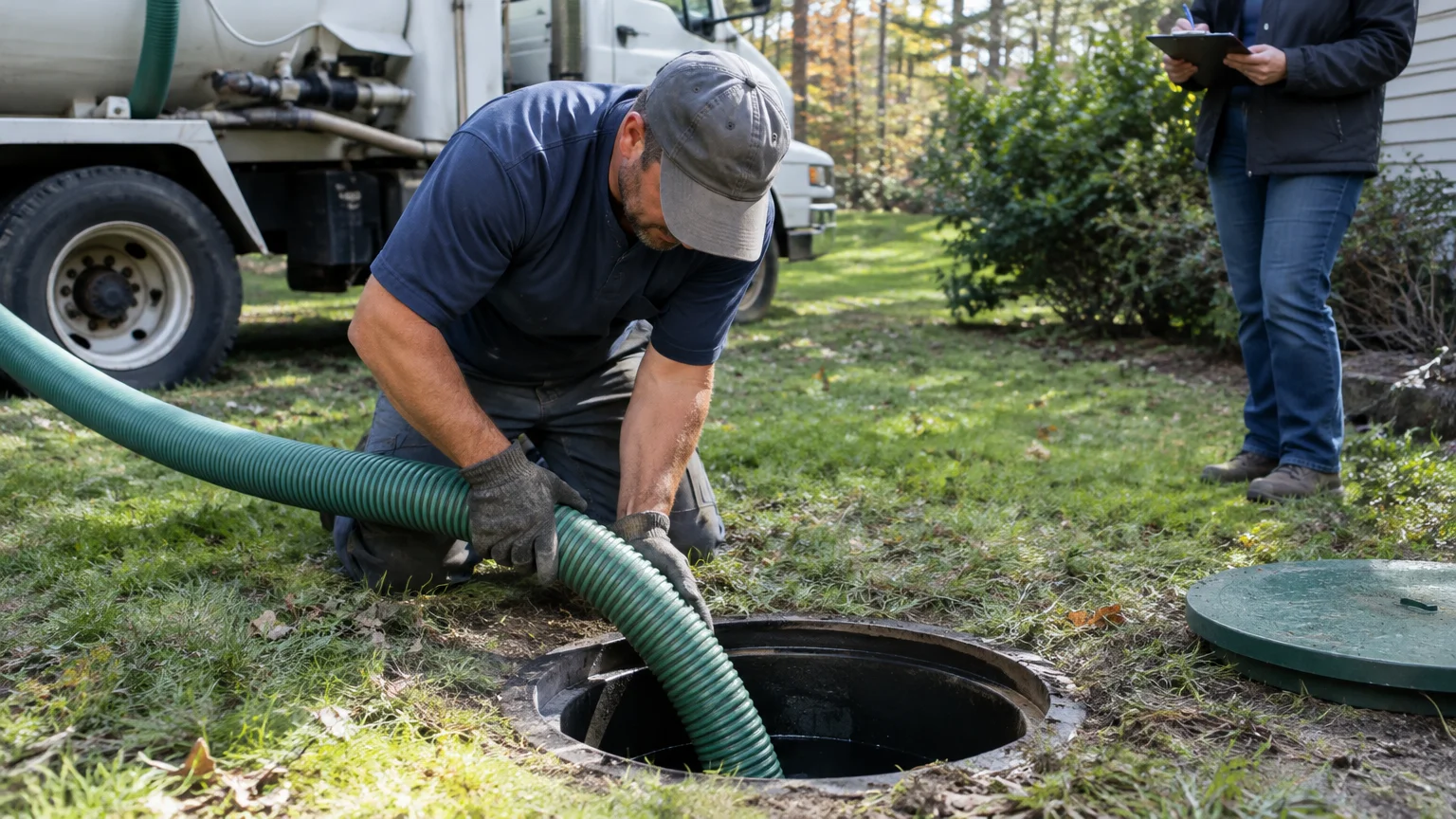
The final service cost depends on tank size, access, location, waste volume, urgency, and extra work. A hard-to-reach tank or damaged part may require more work than routine pumping. Locating equipment, disposal needs, local rules, and site conditions can also affect the job.
Compare the work involved instead of relying on one general figure. Routine pumping is usually simpler than a tank repair, drainfield repair, pump replacement, or full system replacement. A quote should explain the work, access needs, and assumptions before extra work begins. The final cost is confirmed on a quote.
The service plan should describe access, pumping, inspection items, disposal, and suggested repairs. Ask questions if the scope is unclear. Ocala property owners may also need guidance that fits Florida rules. Each business sets its own scope, so decisions should follow the documented condition of the system.
When should you call a septic tank pumping professional?
Call promptly after a sewage backup, several slow drains, strong sewage odors, wet drainfield soil, or a damaged tank cover. Help is also wise when service records are missing, an alarm sounds, ownership changes, or the property is being expanded. These signs do not always mean the tank only needs pumping.
Call sooner if children, pets, tenants, or customers could reach sewage or an open access point. Limit unnecessary water use while waiting for advice. Do not use chemicals to hide the issue, open the tank, or drive over the drainfield. Mention any risk to a well, stream, garden, or nearby property.
Set a long-term plan using tank size, household size, water habits, system age, and past records. After each visit, write down the recommended next date and the reason. Review the plan after adding residents, installing a garbage disposal, changing property use, building, or noticing repeated plumbing problems.
Key takeaways
- Pumping needs depend on tank size, household use, solids, and system design.
- Warning signs help, but they do not show the tank’s actual level.
- Homeowners can track records, fix leaks, save water, and protect the drainfield.
- Tank entry, pumping, repairs, and electrical work belong to trained professionals.
- A written service record and quote help guide future septic decisions.
Frequently Asked Questions
How often does a septic tank usually need pumping?
The schedule varies with tank size, household size, water use, and solid waste. A busy home with a small tank may need service sooner than a lightly used home with a large tank. Garbage disposal use, leaks, age, soil, drainfield design, and past service can also change the plan. No single schedule fits every property.
Past records and professional checks help set a plan. If records are missing, a technician can review the tank, access, visible parts, and household use. Record the date and findings after every visit. Review the plan after changes in residents, water use, landscaping, or property use.
How do you know when a septic tank needs pumping?
Slow drains, sewage odors, gurgling, wet ground, green grass, and backups can signal trouble. A tank may need pumping before these signs appear. The same signs may also come from a blocked drain, sewer, vent, pump, or drainfield. Warning signs are a reason to investigate, not a way to measure tank contents.
Use records and planned service instead of waiting for an emergency. If several fixtures are affected, sewage reaches the surface, or service history is unknown, contact a qualified professional. Keep people and pets away from sewage and open covers. Reduce unnecessary water use while the cause is found.
How deep should a septic tank be?
Tank depth varies with the property, soil, installation, and local design. An access cover may be near the surface or deeper underground. Some properties have more than one access point. The tank may also sit away from the home, so guessing its location can lead to unsafe digging.
Property records, a septic plan, or locating equipment can help find the tank. Check for utility lines before disturbing soil. Do not open or enter the tank after finding it. A professional can access the proper point and check covers, risers, baffles, and nearby soil.
How far should a septic tank be from a house?
The required distance depends on local rules, site layout, soil, and system design. Setbacks may also apply to wells, property lines, buildings, water, and driveways. A general distance cannot replace a site review because older systems and unusual lots may have different layouts.
Do not move or install a tank based on a guess. A new location can affect pipe slope, access, soil treatment, permits, and groundwater separation. A local office or qualified septic professional can confirm the location before construction, replacement, remodeling, or landscaping.
Who performs a perc test?
A soil professional, engineer, or approved site evaluator may perform or oversee a perc test. Local rules decide who is allowed to do the work. The local health department or permit office can explain the process. Requirements may differ for new systems, replacements, land purchases, and property changes.
The test checks how well soil can absorb wastewater. It does not measure sludge in an existing tank or prove that an old drainfield will keep working. Groundwater, seasonal moisture, slope, design, and expected water flow may also matter. Keep the report with the property records.
Conclusion
A septic system works best when pumping is planned before trouble starts. Household size, water use, tank capacity, solid waste, soil, age, and design all affect the schedule. Backups and wet ground need fast attention, but no warning signs do not prove that the tank is ready for continued use.
Homeowners can help through safe daily care, leak repairs, wise water use, records, and drainfield protection. They do not need a professional for these simple checks. Pumping, tank opening, filter work, electrical repairs, diagnosis, and drainfield work should be left to trained professionals.
For service planning and nearby communities, Contact us at Septic Tank Pumping Ocala to arrange help for your property.
If you are not sure what you are dealing with, it is worth having someone look at it before it turns into a bigger job. Get in touch with Septic Tank Pumping Ocala today and we will tell you where you stand.