Septic tank upkeep helps wastewater move safely through a private septic system. It includes careful water use, simple home checks, regular septic pumping, and quick action when warning signs appear. Good upkeep helps Ocala property owners protect the tank, pipes, drainfield, and home from larger problems.
Table of Contents
- What does septic tank upkeep involve?
- What can homeowners safely do for septic tank upkeep?
- How often should a septic tank be pumped?
- What are the steps for maintaining a septic system?
- What can go wrong when septic maintenance is overlooked?
- When should you call a septic professional?
- How can you build a long-term septic care plan?
- Frequently Asked Questions
What does septic tank upkeep involve?
Septic tank upkeep means caring for all parts of a private wastewater system. A septic tank is a buried container that holds wastewater from a home. Heavy solids settle at the bottom, lighter waste floats, and liquid flows out to the drainfield. The drainfield is the soil area that filters this liquid before it returns to the ground.
Why routine maintenance protects system lifespan
Regular care helps the system work as planned. It may also lower stress on pipes, tank walls, filters, pumps, and soil. When too many solids collect, they can move toward the drainfield. This may block soil spaces and cause wastewater to rise in the yard or back up inside the home.
Good upkeep does not mean homeowners must do every task. Owners can manage water use, protect the tank area, and watch for changes. A trained septic worker should open the tank, pump it, inspect it, and repair buried parts or wastewater equipment.
Septic Tank Pumping Ocala helps Ocala property owners understand which tasks belong on a home schedule. The company can also explain which jobs need trained help. This clear plan helps protect families, tenants, investors, and property managers.
Which maintenance tasks belong on a homeowner’s schedule?
Homeowners can keep service records, check visible areas, and use water with care. They can keep cars, sheds, pools, and deep-rooted plants away from the tank and drainfield. These daily habits matter because a large amount of water can overload the system.
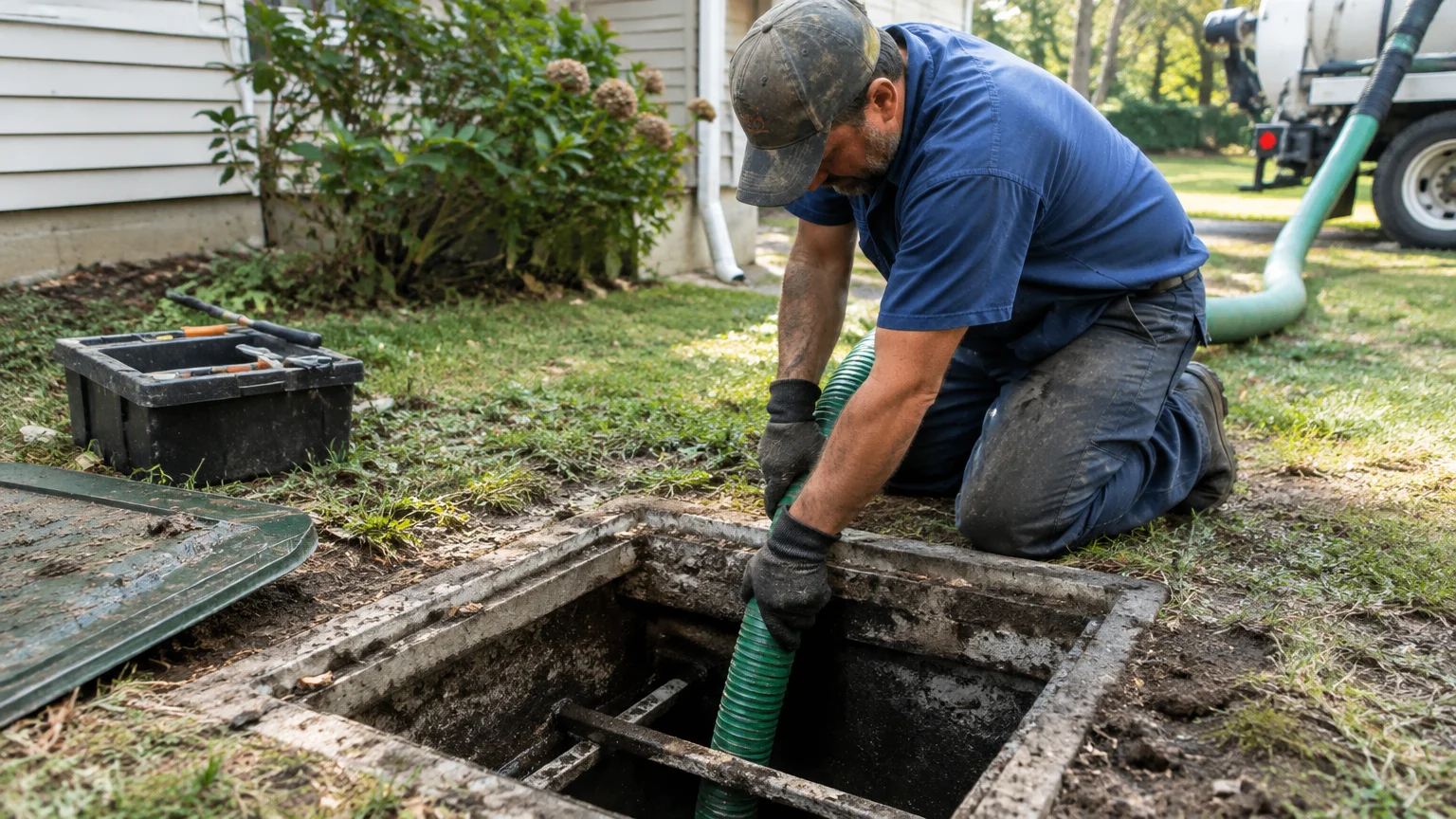
Professional tasks include opening the tank, measuring sludge and scum, cleaning filters, checking pumps, and looking for leaks. A septic worker may also check the distribution box and drainfield. These parts are often buried and may contain unsafe wastewater or harmful gases.
What can homeowners safely do for septic tank upkeep?
Homeowners can safely manage simple checks and daily habits without opening the tank. The safest plan is to watch visible areas, protect the soil, and keep harmful items out of drains. These steps support septic tank upkeep without placing anyone near dangerous gases or untreated waste.
Simple inspections and daily-use habits
Watch for slow drains, gurgling sounds, sewage smells, or wet ground near the tank area. Write down when these signs appear. Also note whether they follow heavy rain, laundry, or high water use. These notes can help a septic professional find the cause.
Spread water use across the day when you can. Repair dripping faucets and running toilets. Septic-safe products may help, but no product takes the place of pumping and inspection. Never flush wipes, paper towels, cotton items, grease, paint, medicines, or harsh cleaning chemicals.
A septic tank is not a trash can. Toilet paper and human waste are the only items that should normally go into a toilet. Items labeled flushable may still cause trouble in a private septic system because they may not break down well.
How to protect the drainfield and tank area
Keep the tank and drainfield easy to find. Make a simple sketch that shows the tank, lids, pipes, and access points. This record helps during future service and lowers the chance of digging in the wrong place.
Follow these basic safeguards:
- Keep cars, trucks, trailers, and heavy equipment off the tank and drainfield.
- Send roof water, sump water, and surface runoff away from the drainfield.
- Do not plant trees or large shrubs over buried septic parts.
- Keep grass cover in place to limit soil loss and runoff.
- Do not build patios, additions, pools, or sheds over the system.
Never enter a septic tank. Do not lean over an open lid or work alone near an access point. Septic gases can harm someone quickly. An open tank also creates a serious fall risk.
How often should a septic tank be pumped?
No single pumping schedule works for every property. Timing depends on tank size, household size, water use, solids, and past service records. A trained professional can check the tank and suggest a schedule based on its condition.
What affects pumping frequency?
A home with more residents may fill its tank sooner than a home with fewer residents. Frequent laundry, long showers, leaking fixtures, and large water releases can add strain. Garbage disposals may send more solids into the tank and may require closer care.
Tank size also matters. A smaller tank may need service sooner than a larger tank serving the same home. Older systems, seasonal homes, rental properties, and homes with pumps may need a more careful plan.
Do not wait for a backup before thinking about septic pumping. Keep a record of the last pumping and inspection. Ask about the tank size, filter condition, pump parts, and drainfield location. These records help future owners and tenants understand the system.
How to track inspections, pumping, and system changes
Keep service papers in one home file or digital folder. Record the service date, work completed, visible concerns, tank location, and any changes to the property. Add notes about new bathrooms, additions, large appliances, or changes in household size.
An inspection may help before buying or selling a property. It may also help before major work near the septic area. A perc test is a soil test that checks how fast water moves through a possible drainfield area. A local authority or approved soil professional usually handles this test, based on local rules.
What are the steps for maintaining a septic system?
Maintaining a septic system starts with good records and safe home habits. Next, make a visual check, use water with care, arrange professional service when needed, and follow up afterward. A simple plan makes changes easier to spot.
A practical septic tank upkeep checklist
Property owners can use this checklist as a starting point:
- Find and record the tank, lids, pipes, filter, pump, and drainfield.
- Check the ground for odors, standing water, sewage, or very green grass.
- Spread laundry and other heavy water use across several days.
- Keep grease, chemicals, wipes, and hard-to-break items out of drains.
- Protect the tank and drainfield from traffic, digging, and new structures.
- Review pumping and inspection records before arranging service.
- Ask a septic professional to check buried parts, filters, pumps, and tank levels.
This list does not replace a professional inspection. It helps homeowners prepare for service. It also gives the worker useful details about the property.
How to prepare for a professional inspection or pumping visit
Clear a path to the tank area before the appointment. Move cars, outdoor items, and loose materials away from lids and access points. Keep children and pets away from the work area.
Share recent symptoms, such as backups, odors, slow drains, or wet soil. Tell the worker about plumbing changes, a new garbage disposal, or a long time when the property was empty. These details can change what the worker checks.
After service, ask for a clear record of the work. You should know where the tank was opened, whether the filter or pump was checked, and whether more work is needed. Septic Tank Pumping Ocala helps owners in central Ocala, including Bellechase, Freedom Crossings Preserve, and nearby communities, prepare questions and understand the next step.
What can go wrong when septic maintenance is overlooked?
Poor maintenance can let solids leave the tank and enter the drainfield. It can also hide leaks, broken pipes, blocked filters, or pump problems. Early action gives a homeowner more choices and may help protect the rest of the system.
Early warning signs of a developing problem
One slow drain may come from a fixture or indoor pipe. Several slow drains may point to a larger septic issue. Sewage odors, wet ground, or wastewater near the tank or drainfield need quick attention.
Watch for these signs:
- Toilets bubble or drain slowly when sinks, showers, or laundry run.
- Wastewater backs up into a tub, shower, floor drain, or toilet.
- The yard has soggy spots when little rain has fallen.
- Grass over the drainfield grows faster or looks much greener.
- Sewage smells appear inside or outside near buried system parts.
- The pump alarm sounds or a warning light stays on.
Do not cover a wet area with soil, cleaner, mulch, or grass seed. These steps may hide a health risk. They may also make the source harder to find.
How neglect can affect the tank, pipes, and drainfield
When solids build up, they can block outlet parts and harm the drainfield. Too much water can keep soil wet and leave less room for natural treatment. A failing drainfield may take a long time to recover. Pumping alone may not correct the damage.
Poor maintenance can also affect people nearby. Untreated wastewater may carry germs through soil or surface water. Children and pets should stay away from sewage, standing wastewater, and areas with strong sewage smells.
When should you call a septic professional?
Call a septic professional for backups, sewage odors, wet drainfield soil, alarms, damaged lids, or repeated slow drains. Professional help is also needed for septic pumping, tank opening, filter cleaning, inspections, and work on buried pipes or pumps.
Problems that require prompt attention
A backup inside the home is an urgent warning. Stop using water until the cause is known. Keep people and pets away from wastewater. Avoid touching dirty surfaces until they are cleaned safely.
Call for prompt help when a pump alarm sounds, a tank lid is broken, or sewage appears near a well, stream, ditch, or property line. A broken lid can cause a fall even when the system seems to work normally.
A professional should inspect the system before a property purchase, after major plumbing changes, or when service records are missing. Septic tank pump services and septic system pumping services are not the same as a quick drain cleaning visit. The worker needs to check the private wastewater system as a whole.
Emergency pumping may be needed when wastewater backs up or the tank is badly full. Some providers also offer 24/7 service for urgent system problems. Ask what help is available when a problem cannot wait until normal business hours.
Why some repairs and inspections are not homeowner jobs
Tank gases can be toxic, and an open tank can be deadly. Wastewater may carry harmful germs. Digging can damage buried pipes, electrical lines, or the tank itself. Owners should not enter a tank, remove heavy lids, dig into the system, or repair pumps.
A septic professional has the tools and training to find parts, remove solids, inspect equipment, and manage wastewater safely. Permit, inspection, and soil testing rules can vary by state and local authority. Septic Tank Pumping Ocala serves property owners across Ocala and can explain when a trained visit is the safer choice.
A septic tank replacement may be needed when a tank is badly damaged or the system cannot be repaired. Replacement is a larger project than routine septic pumping. A professional must review the property, soil, access, and local rules before suggesting that step.
How can you build a long-term septic care plan?
A long-term plan combines records, careful water use, protected soil, and timely professional service. It should fit the property, tank, household, and local rules. The plan should also be easy for future owners, tenants, or property managers to follow.
Key takeaways for protecting system lifespan
- Know the layout: Keep the tank, pipes, pump, and drainfield locations recorded.
- Use water wisely: Fix leaks and avoid sending large water loads through at once.
- Protect the soil: Keep vehicles, buildings, deep roots, and runoff away from the drainfield.
- Watch for changes: Treat odors, wet spots, backups, and alarms as warning signs.
- Use trained help: Leave pumping, tank access, inspections, and repairs to a septic professional.
Review the care plan after a home sale, addition, household change, or major plumbing upgrade. Update it after every service visit. Good records help everyone understand what the system needs next.
Questions to ask before scheduling septic service
Ask whether the provider handles the tank, pump, filter, and drainfield concerns involved. Ask what access is needed and which records should be ready. You can also ask which findings need quick action and which items can be watched.
The provider should explain the work in plain language. The owner should receive a service record and clear next steps. Septic Tank Pumping Ocala helps Ocala homeowners, landlords, and property managers make a practical plan for septic tank upkeep.
For help with safe septic care, Contact us to discuss the next step for your property.
Frequently Asked Questions
What is a septic tank?
A septic tank is a buried container that receives wastewater from a property. Heavy solids settle, lighter material floats, and liquid flows toward a drainfield. The tank needs professional care because solids do not disappear on their own. Homeowners should never enter the tank or open it without proper safety training.
How deep should a septic tank be?
Tank depth depends on the tank design, soil cover, property grade, and local installation choices. Some lids sit near the surface. Other tanks are buried deeper. Use site records or ask a professional to locate the tank. Do not dig blindly or drive heavy equipment over it.
How far does a septic tank need to be from a house?
Required setbacks vary by state and local rules, soil, wells, property lines, and system design. A septic professional or local permitting office can confirm the distance for a property. The tank and drainfield should stay easy to reach and protected from traffic.
Who performs a perc test?
A qualified soil professional, environmental health office, or local permitting authority usually performs or oversees a perc test. The process depends on the local area and proposed system. A septic installer may help arrange the test. Confirm the rules with the local authority before planning construction.
How do you spell cesspool?
The standard spelling is cesspool. A cesspool differs from a modern septic system. It may release wastewater into nearby soil without the same treatment and distribution design. Use the terms carefully when reviewing old records, permits, inspections, or property disclosures.
If you are unsure what system you have, arrange a professional review before the issue grows.
If you are not sure what you are dealing with, it is worth having someone look at it before it turns into a bigger job. Get in touch with Septic Tank Pumping Ocala today and we will tell you where you stand.