Septic tank treatment pods add ingredients to a tank, but they do not remove built-up solids or repair damage. Most septic tanks already contain microbes that break down some waste. In Ocala, safer care means using water wisely, keeping harmful items out of drains, and arranging inspections and septic pumping when needed.
Pods may seem like an easy fix: drop one in the toilet and flush. But a septic system works through steady use and care, not one quick product. Property owners in Ocala can use this guide to check product claims and learn what helps protect a system. Septic Tank Pumping Ocala shares information to help local owners know when a septic professional may be needed.
Table of Contents
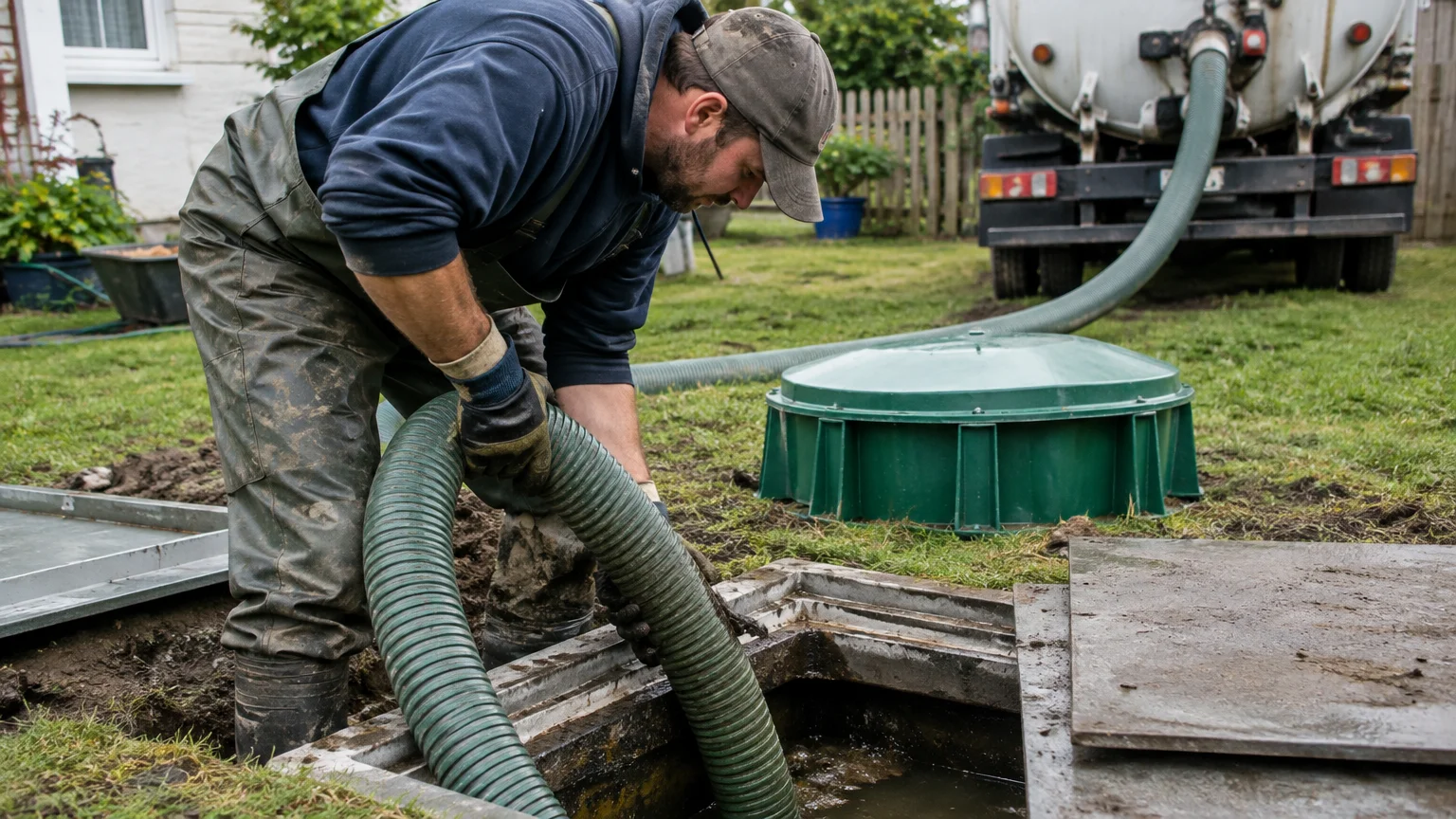
- What do septic tank treatment pods claim to do?
- What happens inside a septic tank after you flush a pod?
- Do septic tank treatment pods improve system performance?
- Can treatment pods harm a septic system?
- Are septic treatment pods a substitute for pumping?
- What should you do instead of relying on treatment pods?
- What is the verdict on septic tank treatment pods?
- Key takeaways
- Frequently Asked Questions
What do septic tank treatment pods claim to do?
Septic tank treatment pods are small products that are measured and flushed down a toilet. They may claim to add bacteria or enzymes, cut odors, break down waste, or help stop clogs. Claims vary from one product to another, so read the label. A claim on a package does not prove that a septic system is healthy.
Why do pods sound convenient?
Pods are easy to store and simple to use. They may seem easier than learning how a septic system works or keeping track of inspections. Words like “natural” can also sound safe. But a natural label does not show that a product helps a tank or means pumping is no longer needed.
A septic tank is a buried container that holds wastewater from a home. Heavy solids settle at the bottom, while fats and other light matter float near the top. Liquid between these layers flows toward the drainfield. The tank is made to handle household waste as it comes in, without a regular dose of a special product.
Some makers say their pods support septic systems. A label may list bacteria, enzymes, or other ingredients. Those words tell you what the maker says is in the pod. They do not show what it will do in every tank. Tank size, household use, system condition, and past care can all vary.
Do not treat a pod as a fix for slow drains, sewage odors, wet ground, or wastewater backing up. These signs may point to a problem that needs a proper check. A product claim is not the same as an inspection.
What happens inside a septic tank after you flush a pod?
After you flush a pod, its ingredients enter the tank with wastewater. The pod may dissolve, and some of its contents may mix with the waste. That does not mean the pod removes settled solids or changes how the whole system works.
How do solids, liquids, and microbes work together?
Wastewater stays in the tank while heavy solids settle and light materials float. Microbes are tiny living things that help break down some waste. They already enter the tank through household wastewater and live in the sludge and liquid.
A tank does not make all waste disappear. Some waste breaks down, but sludge and floating scum still build up over time. Liquid leaves the tank and moves into the drainfield, where soil helps treat it. A pod cannot remove settled layers or repair a blocked or damaged drainfield.
What might a pod’s ingredients do?
Some ingredients may act on certain waste in some conditions. But a tank is not a small lab with one steady mix. Household cleaners, medicines, water use, and the amount of waste can affect what happens inside. A homeowner may not be able to see or measure any result from adding a pod.
Read the label before using a product. Follow its directions, and do not mix products. Do not pour chemicals into a tank to make a pod work better. If the system has a problem, adding another product may delay finding the real cause.
For people in Ocala, the main point is simple: flushing a pod is not the same as cleaning or checking a septic system. Septic Tank Pumping Ocala can help property owners understand the difference between routine care and signs that call for professional help.
Do septic tank treatment pods improve system performance?
Do not expect a treatment pod to improve a septic system that is already working as it should. A product label may describe a possible benefit, but flushing a pod cannot prove how well a whole system works. Even a working system needs careful use, checks, and pumping when needed.
What can product claims show?
A claim on a package tells you what the maker says the product can do. It does not prove that every home will get the same result. For example, a smell may go away for a short time without the cause being fixed. A change in odor cannot tell you how much sludge is in a tank or whether a drainfield is healthy.
Product directions and ingredient lists can help owners make a choice. But they cannot tell you if a tank is full, a pipe is blocked, or a drainfield is failing. Those questions need an inspection or other checks by a trained septic professional.
Why can’t pods repair a tank or drainfield?
A pod cannot mend a cracked tank, clear every blocked pipe, or fix damaged soil. It also cannot remove settled solids. These are physical problems, so they need the right check and repair.
Look for warning signs like slow drains in several parts of the home, sewage odors, or wet areas near the drainfield. One slow sink may have a clog close by, but several problems at once may point to a wider issue. Do not open a tank to look inside. Septic tanks can hold dangerous gases and other hazards.
If signs of trouble appear, adding more pods is not a good test. A prompt check can help find out whether the cause is a home pipe, tank, or drainfield problem. Products cannot take the place of a diagnosis.
Can treatment pods harm a septic system?
Some treatment products may affect the tank’s natural balance, and some ingredients may pass into the drainfield. The effect depends on the product and the system. Labels and systems differ, so do not assume every pod is harmless or that every pod will cause damage.
Which ingredients and claims deserve a closer look?
Read the full label and follow the directions. Be careful with broad promises, especially claims that a product means you will not need pumping or repairs. A product cannot remove built-up solids or take the place of fixing a failed part.
Strong chemicals can disrupt the natural process inside a septic tank. Do not pour paint, fuel, solvents, pesticides, or large amounts of harsh cleaners down household drains. These items may harm the system and can cause other risks. A septic professional can help with questions about a certain product or concern.
What should owners do after using a pod?
If you have already used a pod as directed, there is usually no reason to panic. Keep the package, note the product name, and watch for changes in the system. Do not add extra doses to treat an odor or slow drain unless the label tells you to.
If a new symptom appears, the timing does not prove the pod caused it. A professional can review the symptom, product, and system history. That is safer than trying several treatments one after another. Keep children and pets away from septic covers, and never enter a tank.
Are septic treatment pods a substitute for pumping?
No. Septic treatment pods are not a substitute for pumping. Pumping removes sludge and scum that build up in the tank; a pod does not. How often a tank needs pumping depends on its size, household use, waste levels, and inspection results.
Why do solids still build up?
Some waste breaks down, but not all of it goes away. Heavy material settles, while lighter material floats. These layers take up space as time passes. A pod cannot turn stored waste into material that has been safely removed from the tank.
Waiting too long to pump may let solids move toward the outlet and drainfield. This can lead to a serious system problem. The right time to pump is different for each property. Use inspection records and advice from a trained professional, not a product schedule, to help decide when the tank needs service.
How can inspections help decide when to pump?
An inspection can check the tank and help show how much material has built up. It may also find damage or other concerns that a pod cannot reveal. Keep notes about past pumping and inspection dates, along with any symptoms that come back.
Homeowners should not open or enter a septic tank. Tank openings can expose people to toxic gases, and entering a tank can be deadly. A trained professional has the tools and skills to check the system safely. If sewage backs up or comes to the surface, use less water and arrange a prompt check.
What should you do instead of relying on treatment pods?
Good routine care is simple: use water wisely, keep harmful waste out of drains, and follow a suitable plan for inspections and pumping. Most homeowners do not need a product for everyday care. You can handle simple habits safely, but trained professionals should do tank work and system repairs.
Which daily habits help protect a septic system?
Small choices can ease the load on a tank and drainfield. Owners can:
- Fix leaking taps and toilets so extra water does not strain the system.
- Spread out laundry and other heavy water use when possible.
- Put cooking grease, wipes, hygiene products, and litter in the rubbish, not the toilet.
- Keep paint, solvents, medicines, and harsh chemicals out of household drains.
- Keep cars and heavy equipment off the drainfield, and send roof water away from it.
These habits help protect the system, but they do not replace inspections or pumping. Homeowners can check for leaks, keep records, and learn where the tank and drainfield are. Do not dig without knowing where the tank is, and do not open its cover without proper training.
When should a septic professional be called?
Call a trained septic professional when several drains slow down, sewage smells continue, wastewater backs up, or wet areas appear over the drainfield. A person buying a home can also ask for a system inspection before relying on an old record. Property owners can learn about septic tank pumping and the right next step for their system.
Emergency pumping may be needed when wastewater is backing up or surfacing, but the cause should be checked. A pod cannot provide emergency help or show whether the system needs repair. Septic tank replacement may be needed if a system is badly damaged, but only a proper assessment can show what work is needed. Do not assume a product can prevent every repair.
What is the verdict on septic tank treatment pods?
For most property owners, septic tank treatment pods are not needed for routine care and should not be used to fix a problem. A tank already has microbes that break down some waste. Pods do not remove built-up solids, repair damage, or prove that a drainfield works well.
A careful owner can ask what the product claims, whether the label lists its ingredients, and whether the claim sounds like a replacement for inspection or pumping. Be cautious if a product promises that one flush will prevent every future problem. A septic system still needs care based on its condition and use.
Safer choices include steady water use, keeping harmful items out of drains, and saving service records. Homeowners can do these simple tasks without hiring a professional. When warning signs appear, an inspection is more useful than adding another product. The practical choice is to care for the system, not rely on a quick fix.
Conclusion
Pods may be easy to use, but they cannot do the main work of septic care. They do not remove sludge, replace pumping, or repair a tank or drainfield. Owners can help protect a system through good daily habits and records of inspections and pumping. For a concern that needs a closer look, Contact us to discuss septic pumping and next steps.
Key takeaways
- Pods may add ingredients to a tank, but they do not remove built-up solids.
- A product label cannot show whether a tank or drainfield is healthy.
- Good care means wise water use, safe waste disposal, inspections, and pumping when needed.
- Homeowners can manage simple habits, but should not open or enter a septic tank.
Frequently Asked Questions
Do septic tank treatment pods actually work?
Septic tank treatment pods may release their listed ingredients into a tank, but that does not prove they improve the whole system. Most tanks already have microbes that break down some waste. Pods do not remove built-up solids, repair damage, or replace a proper inspection.
Can a septic pod replace regular pumping?
No. Pumping removes sludge and floating scum that build up inside a tank. A pod cannot remove these layers, even if its label says it helps break down waste. Inspection records and a professional’s findings are better guides for deciding when pumping is needed.
Can septic treatment pods cause problems?
The effect depends on the product, its ingredients, and the system’s condition. Some products may affect the tank’s natural balance, while others may have little visible effect. Read the directions, do not add extra doses, and ask a trained professional about a product if the system has symptoms.
What should not be flushed into a septic tank?
Only human waste and toilet paper should go in the toilet. Wipes, hygiene products, cooking grease, litter, paint, solvents, and harsh chemicals can cause clogs or harm the system. Even items marked flushable may not break down like toilet paper, so put them in the rubbish instead.
How can a homeowner tell when a septic tank needs attention?
Several slow drains, sewage odors, wastewater backups, or wet ground near the drainfield can signal trouble. These signs do not prove the cause, but they should not be ignored. Use less water if sewage is backing up, and contact a trained septic professional rather than adding a treatment product.
If you are unsure what is happening, having the system checked can help you understand the next step.
If you are not sure what you are dealing with, it is worth having someone look at it before it turns into a bigger job. Get in touch with Septic Tank Pumping Ocala today and we will tell you where you stand.