RV septic tank treatment products are usually not needed when a holding tank gets enough water, receives only safe waste, and is dumped correctly. These steps often work better than chemicals for odors, waste buildup, clogs, and sensors. Some products may help in limited cases, but they cannot replace good tank care.
Table of Contents
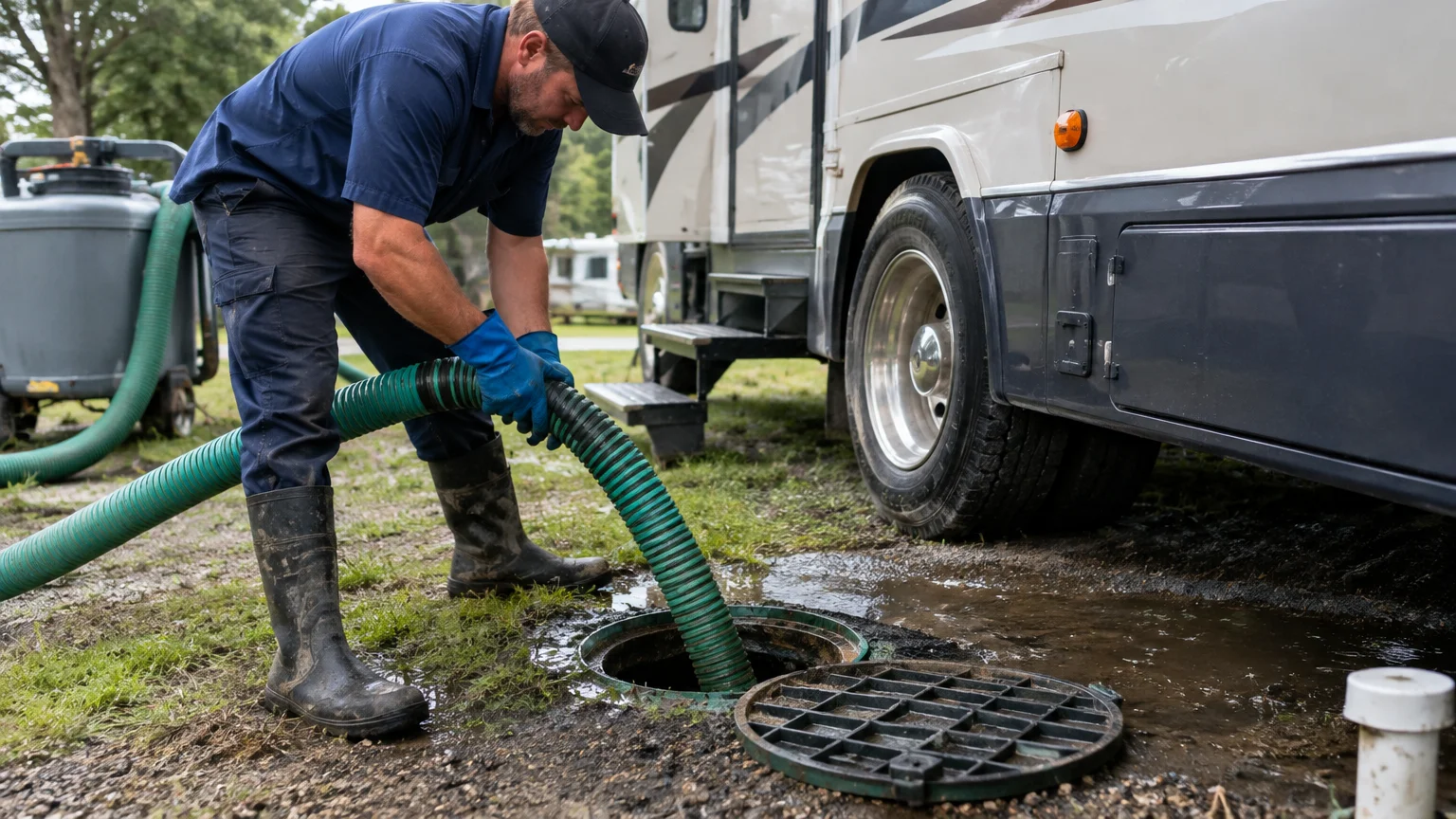
- What Does RV Septic Tank Treatment Claim to Do?
- How Does an RV Septic Tank Actually Work?
- Do RV Septic Tank Treatments Break Down Waste Better?
- Can RV Septic Tank Treatment Prevent Odors?
- Do RV Tank Treatments Help With Clogs or Tank Sensors?
- Are RV Septic Tank Treatments Safe for Septic Systems?
- What Is the Verdict on RV Septic Tank Treatment?
- What Should You Use Instead of an RV Septic Tank Treatment?
- How Should You Maintain an RV Holding Tank?
- When Should You Contact a Septic Tank Professional?
- Key Takeaways
- Frequently Asked Questions
- Conclusion
What Does RV Septic Tank Treatment Claim to Do?
RV septic tank treatment products claim to make holding-tank care easier. Labels may promise odor control, faster waste breakdown, cleaner tank walls, fewer clogs, or better sensor readings. Some products use enzymes, bacteria, detergents, scents, or other chemicals.
An RV holding tank is a short-term waste container. It is not the same as a home septic tank. Still, many people use the words RV septic tank treatment when they mean a product for a black-water tank. Knowing the difference helps owners choose safer care.
Common claims made by additives and treatments
The main claim is that a treatment turns waste into a thinner liquid. Some labels also say the product helps paper and solids break down. Odor control is another common promise. A pleasant smell may only cover an odor instead of fixing its cause.
Other products claim to clean tank sensors. Sensors can become coated with waste or paper. A chemical may loosen a small amount of buildup, but it cannot fix a damaged sensor. It may also fail to remove a thick layer stuck to the tank wall.
Why RV owners consider using them
RV owners may try treatments after a bad smell, slow drain, or stuck gauge. New owners may also think every tank needs a special additive. That idea is easy to understand, but the tank usually needs enough water and correct dumping first.
Septic Tank Pumping Ocala can help Ocala property owners understand the difference between an RV holding tank and a home septic tank. This matters when an RV connects to a household system. The wrong chemical may affect the system farther down the line.
How Does an RV Septic Tank Actually Work?
An RV holding tank stores wastewater until it can be dumped at an approved place. Water, toilet paper, and human waste collect inside. The contents leave through a valve and hose during dumping. The tank does not treat waste in the same way as a home septic system.
A septic system is a private wastewater system. It holds wastewater in a buried tank, then sends liquid to a drainfield. A drainfield is the soil area that filters the liquid. An RV tank mainly stores waste, while a home septic tank allows settling and natural treatment.
The role of bacteria, solids, and liquid waste
Bacteria already live in wastewater. Some bacteria help break down organic matter when conditions are right. They need moisture and a safe setting. Strong cleaners, solvents, and some additives can upset this balance.
Solids settle or stay in the holding tank. Liquid waste helps the contents move. Too little water can leave thick waste behind. This is one reason a dry tank may smell more and empty less fully.
How an RV holding tank differs from a household septic tank
An RV tank is emptied often. A home septic tank holds wastewater longer and separates solids, scum, and liquid. Its drainfield also depends on healthy soil and careful use. An RV product added to a home system may create a different problem than one used in a stand-alone RV.
When an RV connects to a home system, the owner should avoid harsh chemicals. The household tank already has its own natural process. Septic Tank Pumping Ocala serves Ocala and can explain when RV waste needs separate handling from home wastewater.
Do RV Septic Tank Treatments Break Down Waste Better?
Most RV septic tank treatment products do not replace the basic steps that help a tank empty well. Waste breaks down best with enough water, time, and proper use. A treatment may change an odor or soften some material, but it cannot remove every solid or stop all buildup.
Results also depend on the product, waste load, time between dumps, and tank condition. A product that helps one RV may do little for another. Read claims with care, especially when a label suggests one chemical can solve every tank problem.
What happens to waste inside the tank
Waste may settle, float, or stick to the tank surface. Toilet paper can collect near sensors, corners, and the bottom. If the tank has too little water, solids may form a thick layer. Dumping only liquid from a partly full tank can leave that layer behind.
A treatment cannot change the shape of the tank or correct poor dumping habits. It also cannot clear a blockage in the valve, hose, or outlet. Physical cleaning may be needed when waste has hardened or sensors stay coated.
Why treatment performance can vary
Product results vary because RV use varies. A family using an RV for several days creates a different waste load than a short weekend trip. Tank size, water use, toilet paper, heat, and storage time also matter.
The safest approach is to treat additives as optional. Follow the label if you use one, and never mix products. Mixed chemicals can create fumes or damage parts. No treatment should hide a tank that needs cleaning or inspection.
Can RV Septic Tank Treatment Prevent Odors?
RV septic tank treatment may cover an odor for a short time, but it cannot fix every cause. Bad smells can come from low water, a dry plumbing trap, poor venting, a loose seal, or waste left inside. Finding the cause is more useful than adding more scent.
The black-water tank should normally stay closed until it is ready to dump. Leaving the valve open lets liquid drain while solids stay behind. This can create a thick waste layer and stronger odors. It can also make the tank harder to empty later.
What causes unpleasant holding-tank smells
Common causes include a full tank, poor air flow, a blocked roof vent, a worn toilet seal, or waste left after dumping. A dry seal may let odors enter the living area. A vent problem may push smells through another opening.
Water helps keep waste soft and limits contact with dry tank surfaces. After dumping, the owner can add water as the RV maker directs. Check the seals and vents when odors continue.
When odors indicate a maintenance problem
A sudden smell that remains after dumping needs attention. It may point to a valve that does not close, a cracked hose, or a blocked vent. Odors near a home connection may also mean wastewater is not moving as it should.
Strong fumes, sewage near the RV, or wastewater backing up are warning signs. Avoid skin contact and keep children and pets away. Safe cleanup matters more than adding another chemical.
Do RV Tank Treatments Help With Clogs or Tank Sensors?
RV tank treatments may loosen a little residue, but they cannot replace physical cleaning. A clog can sit in the toilet outlet, gate valve, sewer hose, or connection. A sensor may also show a false reading because waste coats its surface.
A gauge that always says full needs more than a guessed dose of treatment. Check the tank level, valve, wiring, and sensor system. Follow the RV maker's instructions for flushing or cleaning.
Why sensors may give inaccurate readings
Many tank sensors touch the inside wall or read contact through the tank. Waste, paper, grease, and mineral deposits can affect that reading. A sensor may say full after the tank is empty. It may also say empty when a wire or connection has failed.
A second way to check is to watch normal water use and dumping. This does not repair the gauge, but it can show whether the reading seems right. Do not keep adding chemicals just because a display looks wrong.
Why treatments cannot replace physical cleaning
A stuck valve or packed outlet needs direct care. A product poured into the toilet may not reach the blockage. Harsh chemicals can also harm rubber seals, plastic parts, or the sewer hose.
If a tank will not drain, stop forcing the valve. Repeated pressure can cause a leak. A trained technician can inspect the system and choose a cleaning method that fits the RV and its parts.
Are RV Septic Tank Treatments Safe for Septic Systems?
Not every RV septic tank treatment is safe for a household septic system. Ingredients that kill bacteria, cut grease, dissolve material, or add strong scent may affect the tank's natural life. The safest choice is to keep questionable chemicals out of the home system.
A septic tank depends on natural microbes to help process wastewater. This process takes time, and it does not make every product safe. Drain cleaners, solvents, paint, fuel, and strong disinfectants can cause bigger problems than normal household wastewater.
Ingredients that may create concerns
Check the label for strong disinfectants, solvents, acids, alkalis, and compounds made to kill microbes. A product that kills bacteria may work against the life a septic system needs. Fragrance also does not prove that waste has been treated.
Never mix cleaners or use a product without clear directions. When an RV connects to a home, follow septic-safe practices across the property. Local rules may also control where RV waste can be dumped.
How chemicals can affect septic-system biology
A septic tank contains many tiny living organisms. They help break down some organic waste as it settles. A large amount of a harsh chemical can disturb that process. The effect depends on the substance, amount, and system condition.
A damaged or overloaded septic system cannot be fixed by an RV additive. Slow drains, wet ground, sewage odors, and backups need an inspection. More treatment may delay the right fix and increase the chance of a messy failure.
What Is the Verdict on RV Septic Tank Treatment?
The answer is simple: routine RV septic tank treatment is usually not needed. Good water use, correct dumping, safe toilet habits, and regular care do more than most additives. A product may offer limited help in one situation, but it should not replace basic maintenance.
Read the label before using any treatment. Make sure it is made for the exact tank and disposal method. A product for a portable toilet or marine system may not suit an RV holding tank or a household septic system.
When a treatment may offer limited help
Some owners may choose a mild product for odor control while following the label. Even then, see it as an extra step. It should not cover a leak, blocked vent, broken seal, or tank that will not drain.
Stop using a product if it causes stronger smells, skin irritation, foaming, or a change in tank operation. Keep the container so a technician can review it. Clear product details can help show what entered the system.
Why routine use is usually unnecessary
A holding tank can work without an additive when it gets enough water and is dumped correctly. Extra chemicals also create another chance for misuse. They may affect the RV, dump station, or septic system connected to the RV.
A simple routine is easier to repeat. Learn the tank size, watch water use, keep the valve closed until dumping, and clean the tank as the maker allows. These steps address the cause instead of covering the symptom.
What Should You Use Instead of an RV Septic Tank Treatment?
Water, safe waste habits, and regular dumping are the best first choices. An RV tank needs enough liquid to keep waste moving. Follow the RV maker's directions and keep items that do not break down out of the tank.
The same rule applies when an RV connects to a home septic system. Only suitable wastewater should enter it. No product can make a harmful item safe after it is flushed. Proper disposal outside the plumbing is the better choice.
Water, proper waste habits, and regular dumping
Use normal toilet paper in reasonable amounts. Add water when the system instructions call for it. Keep the black-water valve closed during normal use. Open it fully during dumping so the tank can empty with strong flow.
A practical checklist includes:
- Use enough water for each flush and follow the RV manual.
- Keep the black-water valve closed until the tank needs dumping.
- Dump through an approved connection or station.
- Rinse or flush the tank only with an approved method.
- Check seals, hoses, valves, and vents during routine care.
Products and materials that should never enter the tank
Grease, cooking oil, paper towels, wipes, diapers, feminine hygiene products, cat litter, and chemicals should stay out. Even items marked flushable may not break down safely in an RV. Paint, fuel, solvents, and pesticides also belong in proper waste channels.
Keep cleaning products away from the toilet unless the RV maker approves them. A small amount of a suitable cleaner may be allowed, but more is not better. Strong products can harm seals and upset septic-system biology.
How Should You Maintain an RV Holding Tank?
An RV holding tank needs a repeatable routine, not constant chemical treatment. Owners can safely handle many basic checks. These include watching tank levels, checking for leaks, and looking over the sewer hose. Stop when sewage exposure, a stuck valve, or a hidden blockage seems likely.
Maintenance should follow the RV maker's instructions. Different tanks and sensor systems may need different cleaning methods. Do not force a valve, climb onto a roof without safe equipment, or open a fitting while the tank may have pressure.
A practical maintenance routine
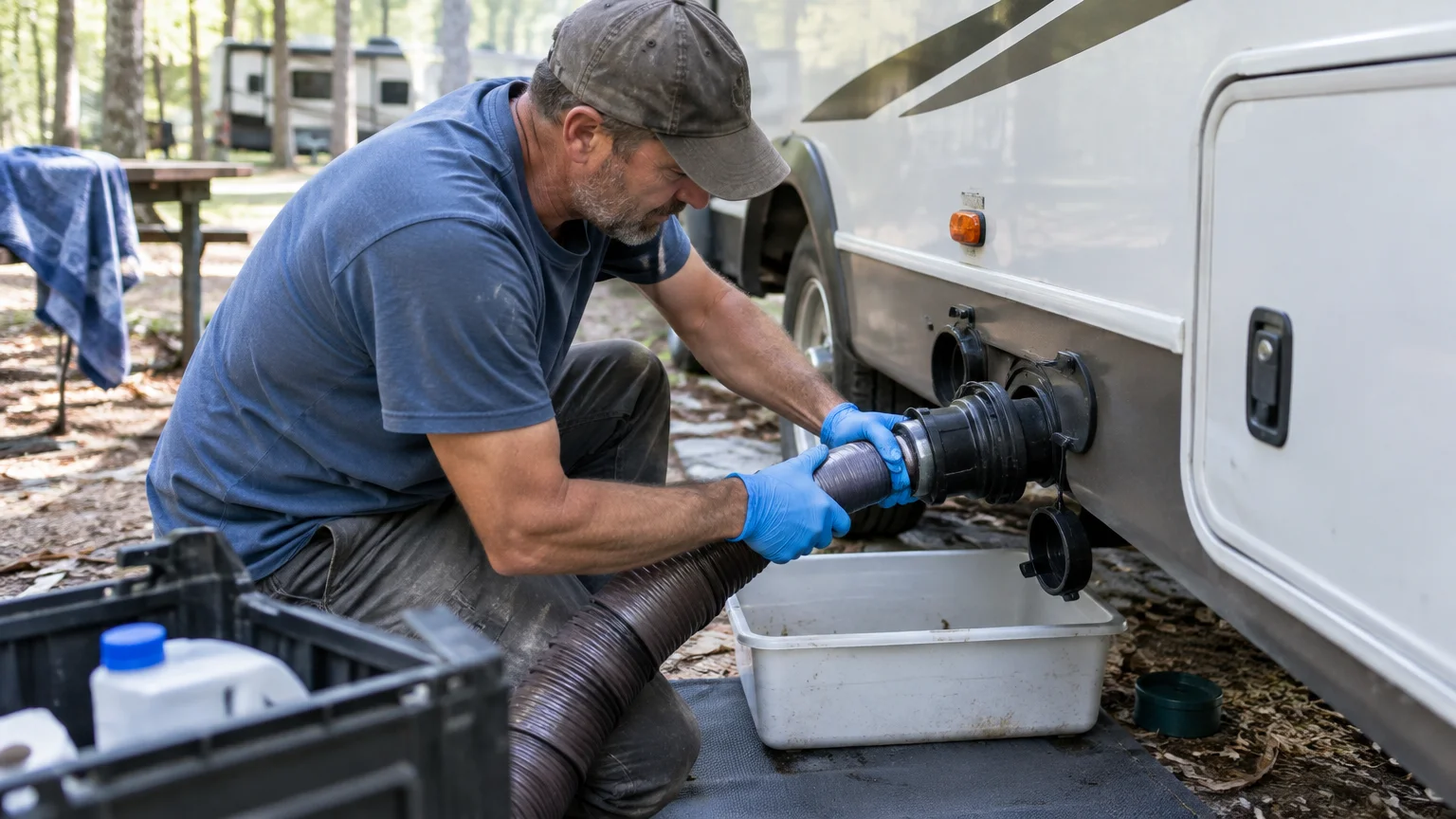
Begin by checking the toilet seal, water level, vent, and hose connection. During a trip, watch for slow drainage, odd smells, or a gauge that changes in an unusual way. These clues may appear before a complete blockage.
After dumping, close the valve and use the approved rinse method. Do not leave the tank full during long storage unless the maker says to do so. Store hoses where wastewater cannot touch clean water tools.
The owner can follow these steps:
- Confirm that the dump connection is secure.
- Open the correct valve fully during dumping.
- Watch until the strong flow stops.
- Rinse only with an approved method.
- Check for leaks before storing the hose.
- Note odd smells, slow flow, or false readings.
Signs the tank needs professional attention
Professional help may be needed when the tank will not empty, the valve is stuck, or sewage appears outside. A repeated full reading may point to a sensor or buildup problem. Leaks near a home connection need prompt care because they can affect soil and nearby plumbing.
Act as soon as drains back up, wet spots develop near a septic area, or sewage odors remain after normal dumping. These signs may involve the RV, household septic tank, or both.
When Should You Contact a Septic Tank Professional?
A septic tank professional should inspect the system when pumping, a blockage, a leak, or a backup may be present. The right service depends on where the problem is. An RV holding tank may need cleaning or valve repair, while a home septic tank may need septic pumping and inspection.
Professionals can tell whether the issue is inside the RV or farther down the line. They can also protect the property from spills and unsafe waste handling. This is important when an RV uses a home septic system or sits near a drainfield.
Problems that require inspection or pumping
Contact a qualified professional for sewage backups, slow drains across the property, standing wastewater, broken valves, or strong odors that remain. A tank that cannot empty should not be attacked with random chemicals or tools.
A professional may inspect the tank, outlet, inlet, baffles, lines, vents, and nearby soil. They can explain whether the problem needs pumping, cleaning, repair, or another service. The plan should depend on what the inspection finds.
How professional service protects the property and system
Proper pumping removes settled solids before they move toward the drainfield. Careful inspection can find cracks, damaged covers, blocked lines, and unsafe connections. Early action may keep wastewater out of the yard, home, or nearby water.
Septic Tank Pumping Ocala helps property owners make informed septic choices throughout the main Ocala area, including Bellechase and Freedom Crossings Preserve. The team can review concerns about RV waste, household tanks, septic pumping, maintenance, and emergency pumping needs. Its guidance can help owners decide whether the issue needs simple care or professional service.
Key Takeaways
- Most RV septic tank treatment products are optional, not essential.
- Water, proper dumping, and safe waste habits support better tank care.
- Odors and false sensor readings often point to a maintenance issue.
- Harsh chemicals may harm RV parts or upset septic-system biology.
- Backups, leaks, blocked valves, and sewage odors need professional attention.
Frequently Asked Questions
Is RV septic tank treatment necessary?
Usually, no. An RV holding tank can work well with enough water, correct dumping, and safe waste habits. Some owners use a mild product for odor control, but it should not replace maintenance. Check the label first, especially when the RV connects to a household septic system.
Can an RV treatment break down toilet paper?
It may soften some paper or residue, but results vary. Tank size, water use, paper type, and storage time all affect the outcome. A treatment cannot remove a hard blockage or clean a badly coated sensor. Proper water use and complete dumping remain more dependable.
Why does an RV tank smell after it has been dumped?
A smell may come from waste left in the tank, low water, a dry toilet seal, or a blocked vent. A loose valve or hose can also let odors escape. Check these parts before adding more treatment. Continued sewage odors need an inspection.
Can RV chemicals damage a home septic system?
Some chemicals can disturb the natural life in a household septic tank. Strong disinfectants, solvents, acids, and products that kill bacteria may create concern. The safest approach is to keep harmful materials out of both systems. Follow product directions and septic-safe waste practices.
When does an RV holding tank need professional help?
Professional help is right when the tank will not drain, a valve will not move, sewage leaks, or odors continue after normal care. A full reading that never changes may also need inspection. A technician can tell whether the issue involves the RV tank, connection, or household septic system.
Conclusion
RV septic tank treatment products may sound useful, but they cannot replace water, proper dumping, or safe waste habits. Most owners can handle routine checks and basic upkeep themselves. When a tank backs up, leaks, smells strongly, or will not empty, professional inspection is safer for the RV and property.
If you are unsure what you are dealing with, have the system checked before the problem grows. Contact us today to discuss your RV or septic concern with Septic Tank Pumping Ocala.