The answer to how much to get septic tank installed depends on the tank, soil, access, system design, permits, and local rules. A simple lot may need less work than a steep or rocky one. The final cost is confirmed in a detailed quote after the property is reviewed.
A new septic system is a major project for any property owner. It can affect family comfort, rental use, and a buyer’s plans. Knowing what goes into the work helps you compare quotes and avoid surprise changes.
Table of Contents
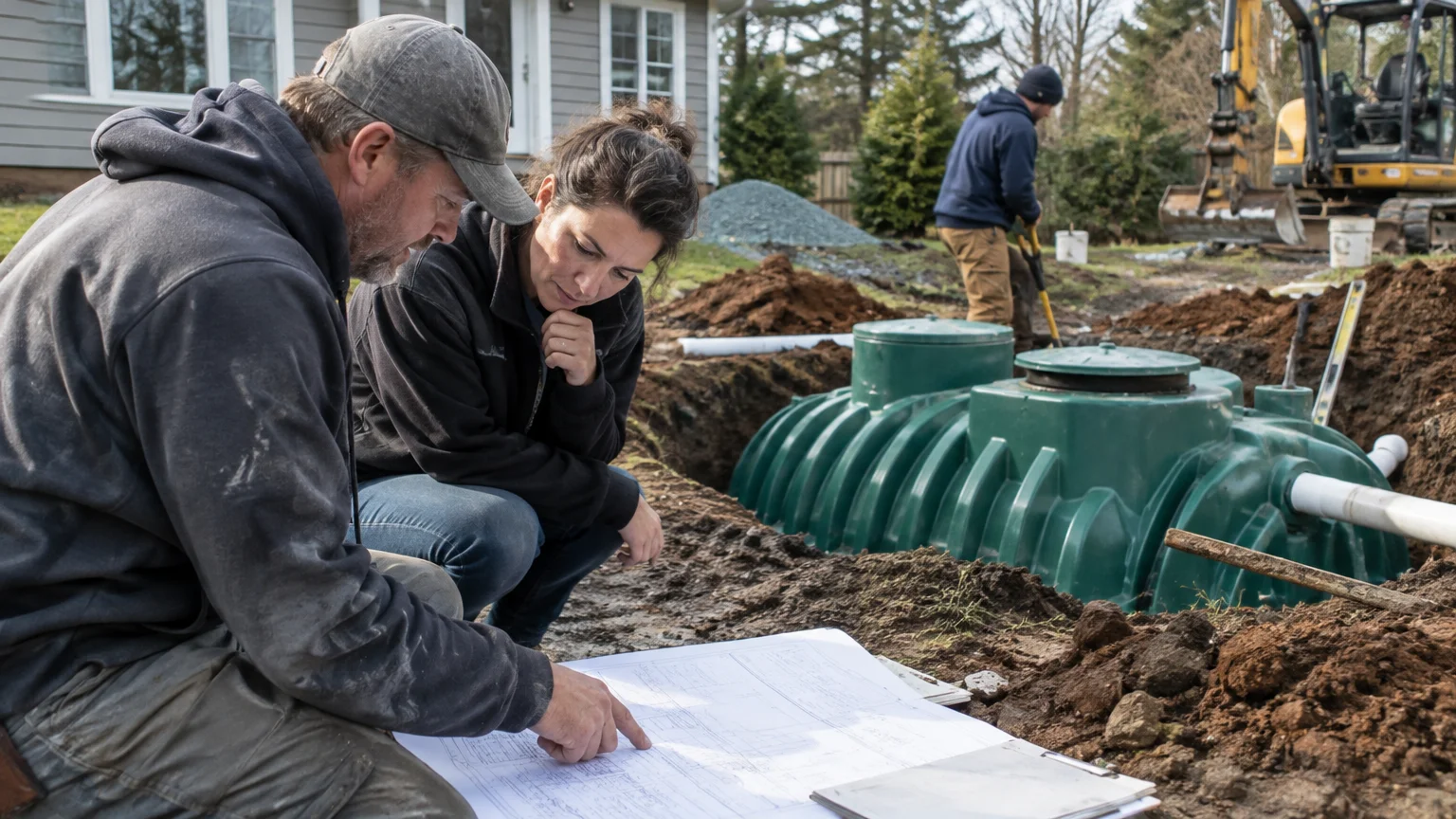
- How much does it cost to get a septic tank installed?
- What factors drive the cost of a new septic installation?
- How does septic tank size affect installation cost?
- How do access and excavation affect the installation price?
- How much do different septic system types affect the cost?
- How does location affect new septic installation costs?
- What should a septic installation quote include?
- Frequently Asked Questions
How much does it cost to get a septic tank installed?
The cost changes because each property has different needs. A new system may include a tank, drainfield, design work, soil testing, permits, digging, pipes, inspections, and grading. The quote should cover the whole job, not just the tank.
Why installation costs vary from one property to another
A flat lot with open access is often easier to work on. Soil that drains well may support a basic drainfield. Poor soil, shallow rock, high groundwater, or little open space may need another design.
The distance from the home to the tank also matters. Longer pipe runs need more digging and materials. A driveway, wall, pool, or large trees can make the work harder. Local rules may call for special plans or more inspections.
How new installation compares with septic tank replacement
A new installation often needs a full site review and new system design. Septic tank replacement may reuse some old parts, but that is not always safe or allowed. Old tanks, broken pipes, failed drainfields, or changed rules can add work.
Do not assume replacement is always easier. The old system may be hard to find or may not meet current rules. Septic Tank Pumping Ocala can help Ocala property owners understand site conditions before work starts.
What factors drive the cost of a new septic installation?
The main cost drivers are the site, design, labor, materials, permits, and cleanup. A good review checks how wastewater leaves the home, how soil treats it, and where the system can safely sit.
How soil, lot size, and site conditions affect the project
A soil test helps show if the drainfield can treat wastewater safely. A drainfield is the area where treated liquid moves into the soil. Slow soil may need a raised or engineered system. A small lot may limit where the tank and drainfield can go.
A large lot gives more choices, but it can still have slopes, rock, wetlands, or poor soil. The number of bedrooms may also affect the design. Bedrooms help show possible household use, while water habits show actual demand.
A large family, rental home, or home with many guests may use more water. The system must handle that use without overloading the drainfield. These details should be reviewed before the tank is chosen.
Which permits, inspections, and preparation steps may be required
Most new systems need approval from a local health department or another authority. Rules vary by state and county. They may include soil testing, site plans, permit review, installation checks, and final approval.
Ask who will handle each step. Some contractors prepare the paperwork, while others expect the owner to submit it. The quote should say if design work, permit help, inspections, and testing are included.
How does septic tank size affect installation cost?
Tank size affects materials, digging, delivery, and system planning. The right size depends on the home, expected water use, local rules, and the approved design. A larger tank is not always the right answer.
How household size and wastewater use determine tank capacity
A home with more bedrooms may need more treatment capacity. Several bathrooms, frequent visitors, or heavy water use may also matter. Laundry, appliances, and future additions can change the expected demand.
A professional can review the home and its planned use. The goal is to choose a tank that works with the drainfield and local rules. Do not choose a tank by guessing or copying a nearby property.
Why choosing the right tank size matters for long-term performance
An undersized tank may not give solids enough time to settle. More solids may then move toward the drainfield. That can cause trouble later. An oversized tank may add work without fixing a poor drainfield or weak design.
Ask how the tank size was selected. The answer should connect it to household use, local rules, and the full system. Regular septic pumping and maintenance still matter after installation.
Homeowners can safely watch for slow drains, odors, or alarm sounds. They can also use water carefully and keep records. Tank work, excavation, and repairs should be left to trained professionals.
How do access and excavation affect the installation price?
Access and digging can change the project scope. Equipment must reach the work area, and crews must dig safely for the tank, pipes, and drainfield. Tight access may require smaller equipment or extra planning.
What makes a property easier or harder to reach
An open yard with a clear route is usually easier to prepare. Gates, narrow drives, steep ground, fences, sheds, and overhead lines can limit equipment. Crews may also need to protect buildings, wells, trees, and utility lines.
Before digging, the area should be checked for underground utilities. The tank location must also allow future inspection and pumping. A buried or hidden lid can make service harder, so the final location should be recorded.
How digging, landscaping, utilities, and site restoration add work
Excavation can disturb grass, gardens, paths, driveways, and soil. Rock or groundwater may slow the work. After installation, the area may need grading, backfill, erosion control, or basic surface repair.
The quote should explain what cleanup and restoration include. It should also say what remains the owner’s responsibility. Fences, plants, hard surfaces, and other features may need to move.
Clear planning helps prevent confusion when the crew arrives. It also helps the owner compare quotes that cover the same work. The final cost is confirmed on a quote after the site and project needs are reviewed.
How much do different septic system types affect the cost?
System type is one of the biggest design factors. A conventional system may work when soil and space are suitable. An alternative system may be needed when the lot has poor drainage, little room, or other limits.
How conventional systems differ from alternative systems
A conventional system usually has a septic tank and a drainfield. The soil helps treat wastewater as it moves through the ground. An alternative system may use pressure distribution, a mound, a sand filter, or an advanced treatment unit.
The site review and local rules decide which system is allowed. A more complex system may need extra parts, controls, inspections, and maintenance. Owners may also need to learn about alarms, access points, and service schedules.
When pumps, treatment units, or advanced designs may be needed
A pump may be needed when wastewater must move uphill. It may also be needed when the drainfield sits above the tank. Treatment units can help when soil or site limits do not support a basic design.
These parts can add installation work and future care. Ask what each part does and what happens if it stops working. The quote should list pumps, electrical work, controls, alarms, filters, and treatment equipment.
A professional should handle design, electrical connections, tank setting, and testing. Homeowners can notice alarms or slow drains, but they should never enter a tank or try dangerous repairs.
How does location affect new septic installation costs?
Location affects labor, materials, travel time, permits, and system rules. Requirements can differ between counties and nearby properties. A site review gives better answers than a broad regional guess.
Why regional labor, regulations, and material availability matter
Local rules may set setbacks from homes, wells, property lines, waterways, and other features. They may also control tank types, drainfield designs, inspections, and operating permits. Material availability may affect scheduling when a certain tank or treatment unit is required.
Weather and ground conditions can affect the project too. Heavy rain may make access hard. Hard ground, wet soil, or other site conditions may slow digging. A local contractor can explain what is common in the area.
What property owners in Ocala and the main Ocala area — from Bellechase and Freedom Crossings Preserve to nearby neighborhoods and communities — should verify locally
Property owners in Ocala and the main Ocala area should check the local permit process before choosing a system. This includes owners in Bellechase, Freedom Crossings Preserve, and nearby communities. Ask about soil tests, setbacks, inspections, approved contractors, and final sign-off.
These steps help protect the property and prevent delays. Keep the approved design, permit records, tank location, and maintenance notes after the work is done. Septic Tank Pumping Ocala works with owners who need clear information about septic planning.
A local review can point out access concerns, likely system choices, and questions to ask. It can also help the owner prepare records before requesting a quote. Ocala property owners should share old plans, well details, surveys, and home plans when available.
What should a septic installation quote include?
A useful quote should explain the full planned scope. It should list the design, materials, site work, approvals, testing, cleanup, and conditions that may change the job. The final cost is confirmed on a quote after the property is reviewed.
Which services, materials, approvals, and cleanup to look for
A quote may include several parts of the project. Look for clear details about:
- Site evaluation, soil testing, and system design
- Tank type, tank capacity, pipes, distribution parts, and treatment equipment
- Excavation, installation, backfill, grading, and surface restoration
- Permit support, inspections, testing, and final approval
- Pump controls, electrical work, alarms, access risers, and care instructions
Ask what the quote leaves out. Examples may include hard rock removal, private utility repairs, major landscaping, driveway replacement, or changes made after approval. Written details make it easier to compare quotes fairly.
When should you request a septic installation quote?
Request a quote before buying land, building a home, replacing a failing system, or adding bedrooms. Early planning can show site limits before a purchase or building plan is hard to change.
Gather property records, surveys, old septic documents, well information, and home plans. A clear site visit gives the contractor better facts. Septic Tank Pumping Ocala can explain the next steps and what to prepare.
Key takeaways
- New septic installation costs depend on the site, design, tank, access, permits, and local rules.
- Tank size should match household use and the approved system plan.
- Soil, slopes, rock, groundwater, and lot space can change the system design.
- A complete quote should explain materials, labor, approvals, cleanup, and exclusions.
- Homeowners can handle simple checks, but hazardous tank and digging work needs a qualified professional.
Frequently Asked Questions
How deep should a septic tank be?
A septic tank should be deep enough for safe pipe flow and proper soil cover. The exact depth depends on the site and approved design. A tank that is too deep can make inspection and pumping harder.
The approved plan should show the tank location, access points, and finished ground level. Owners should keep that plan for future service. Do not dig to find the tank without checking for utilities first.
How far does a septic tank need to be from a house?
The required distance depends on state and local rules, soil, wells, property lines, and other site features. A septic professional or local authority can confirm the setback for a specific property.
The tank also needs safe access for inspection and future pumping. Its location should work with the house, drainfield, driveways, and other property features. A proper plan will show these locations.
How does a septic system work?
Wastewater flows from the home into the septic tank. Solids settle, grease floats, and liquid leaves through an outlet. The liquid moves toward the drainfield for more treatment in the soil.
Good design, careful water use, and regular care help protect the system. Owners should not flush items that can block pipes or harm the drainfield. Professional service is needed when the system shows serious problems.
How can a homeowner find a buried septic tank?
The owner can check property records, installation plans, cleanouts, and visible pipe routes. A professional may use safe locating methods when records are missing. Digging without checking for utilities can be dangerous.
Never enter a tank. Do not open or move a lid carelessly. Once the tank is found, record its location so future inspection and septic pumping are easier.
How deep is a septic tank lid?
A lid may sit near the surface or under soil, depending on the installation. Its depth can change after grading or landscaping. Access risers may make future service easier.
Confirm the location with records or a professional before digging. Keep lids clear and easy to reach when possible. Do not walk over a damaged lid or try to repair it without help.
Conclusion
The answer to how much to get septic tank installed depends on the property, not the tank alone. Soil, system type, household use, access, permits, and local rules all matter. A detailed site review gives the owner a clearer plan and helps prevent avoidable surprises.
Property owners in Ocala can use this guide when preparing questions for a contractor or local authority. Septic Tank Pumping Ocala can help owners understand the work and compare quotes by scope. If you need help reviewing your septic installation needs, Contact us today.
If you are not sure what you are dealing with, it is worth having someone look at it before it turns into a bigger job. Get in touch with Septic Tank Pumping Ocala today and we will tell you where you stand.