The main difference in septic vs cesspool systems is how they handle wastewater. A septic system uses a tank to settle solids and a drainfield to treat liquid in soil. A cesspool uses one pit for storage and disposal, so it provides less control and may create greater groundwater concerns for Ocala property owners.
Table of Contents
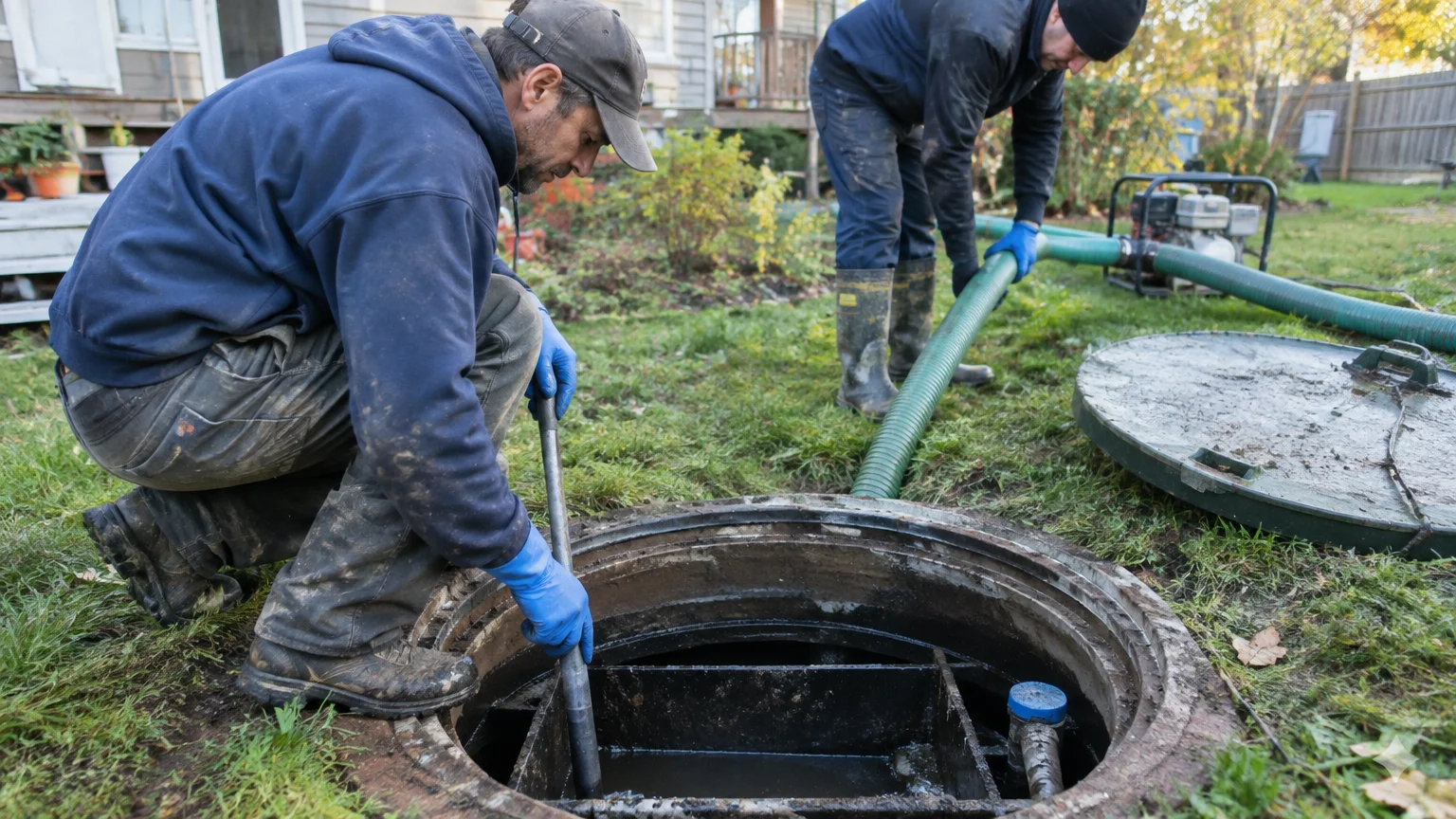
- What is the difference between a septic system and a cesspool?
- How does a septic system work?
- How does a cesspool work?
- Septic vs cesspool: What happens inside each system?
- What parts make up a septic system?
- What parts make up a cesspool?
- What is the visual difference between a septic system and a cesspool?
- Which system is safer for groundwater and the environment?
- Are cesspools legal, and can they be replaced with septic systems?
- Which system is right for a property, and what are the common misconceptions?
What is the difference between a septic system and a cesspool?
A septic system separates wastewater treatment from wastewater disposal. A cesspool usually combines both jobs in one underground pit. This difference affects how solids settle, how liquid leaves the system, and how much treatment occurs before water reaches nearby soil.
A septic system has a watertight tank and a separate drainfield. The tank holds wastewater while heavy solids sink and lighter material floats. The liquid layer then moves to the drainfield. Soil filters and treats that liquid as it moves through the ground.
A cesspool is a pit with porous walls, openings, or both. Wastewater enters the pit and slowly leaves through the sides and bottom. Solids may collect inside, but the system has fewer treatment steps than a modern septic design.
People often confuse these systems because both serve properties without public sewer lines. Some people also call a septic tank a cesspool in everyday speech. In technical terms, the two designs work in different ways.
The spelling is simple: the word is cesspool. Older records may use terms such as seepage pit or drywell. Property owners should check site plans, permits, and inspection findings instead of relying on a casual name.
Septic Tank Pumping Ocala can help property owners understand which system serves a home or building. This review matters before pumping, digging, buying property, or planning an addition. In Ocala, older records may not clearly show the system location or design.
How does a septic system work?
A septic system collects wastewater in a buried tank, separates solids from liquid, and sends liquid to a drainfield. The drainfield spreads wastewater through soil for further treatment.
Wastewater first leaves the building through a sewer pipe. It enters the tank through an inlet pipe. The tank slows the flow and holds it for a while. Heavy solids form a bottom layer called sludge. Grease and other light material form a top layer called scum. The middle layer is mostly liquid effluent.
Effluent means the liquid that leaves the tank. An outlet pipe carries this liquid toward the drainfield. A baffle or outlet filter helps keep floating solids from leaving the tank. Some systems use a pump tank, lift station, or distribution box when the drainfield needs help with flow.
The drainfield has perforated pipes or other distribution parts. These parts spread effluent across a prepared area. Soil absorbs the liquid and supports natural treatment by helpful microbes. Soil also removes some solids and pollutants before water moves deeper.
A septic system does not make wastewater safe at once. It needs suitable soil, enough space, and regular maintenance. Too much water at one time can overload the tank and drainfield. Harsh chemicals, leaks, and blocked pipes can also reduce performance.
Homeowners can safely help protect a system by fixing leaking fixtures. Keep vehicles off the drainfield and keep large roots away from buried pipes. Septic pumping, tank checks, and work around sewage should be handled by trained workers because lids, gases, and dirty water can be dangerous.
Simple upkeep does not always need a professional. Owners can keep access areas clear, spread laundry across the week, and watch for wet spots. A professional is needed for tank pumping, emergency pumping, clogged filters, unknown system locations, and signs of system failure.
How does a cesspool work?
A cesspool stores wastewater in one underground pit and lets liquid escape through porous walls or the bottom. Storage and disposal happen in the same place. This gives the system less separation and treatment than a tank-and-drainfield system.
Older cesspools may have brick, block, stone, or concrete walls. Some have open bottoms. Others have gaps between wall sections that let water seep into nearby soil. Wastewater enters through a pipe and collects inside the structure.
As wastewater sits, heavy material settles. Liquid then moves outward through the soil around the pit. Some natural treatment may happen there. The result depends on soil type, groundwater depth, system condition, and the amount of wastewater entering the pit.
A cesspool has limited treatment capacity because it lacks a separate settling tank and planned drainfield. Solids can block openings and slow flow. When the pit becomes overloaded, wastewater may rise toward the surface or move through soil too quickly.
Cesspools can also be hard to locate. Records may be missing, and old covers may be buried. Never enter a cesspool or open an unknown cover without professional help. Toxic gases, weak walls, and dirty water can cause severe injury or death.
A cesspool is not the same as a septic pumping tank. A septic tank is one part of a larger treatment system. A cesspool is usually the main holding and disposal structure. The correct name matters when a professional reviews permits, safety concerns, or replacement choices.
Septic vs cesspool: What happens inside each system?
In septic vs cesspool comparisons, the main difference is controlled treatment. A septic system separates solids, liquid, and scum inside a tank before sending liquid to a planned soil area. A cesspool sends wastewater into one pit where storage and seepage overlap.
Inside a septic tank, bacteria start breaking down organic material. This does not remove every pollutant. It reduces some solids and changes the wastewater before it reaches the drainfield. The tank still needs inspection and septic pumping because sludge and scum continue to build up.
The drainfield then receives liquid effluent. Its soil, oxygen, depth, and structure affect treatment. Slow or packed soil may not accept water well. Very sandy soil may let water move too quickly. A high water table can reduce the space available for treatment.
Inside a cesspool, liquid moves into nearby soil from the same structure that holds solids. The soil may provide some filtering, but the treatment area is less controlled. A damaged wall, heavy flow, or shallow groundwater can increase the chance of pollution.
Pollution concerns may include sewage bacteria, nutrients, and other wastewater contaminants. Signs may include wet ground, bad smells, bright grass, sewage backups, or slow drains. These signs can have other causes, so testing and an on-site review are needed.
Neither system should receive paint, solvents, medicine, grease, wipes, or other harmful items. These materials can damage treatment, clog pipes, or enter soil and groundwater. A septic system or cesspool should receive normal household wastewater unless it was designed for another use.
What parts make up a septic system?
A septic system includes more than the buried tank. It may have building sewer pipes, an inlet, tank chambers, baffles, an outlet filter, access covers, a distribution box, a pump, and a drainfield.
The tank is usually buried below the ground. Owners often ask how deep a septic tank should be or how deep a septic tank is buried. There is no one depth for every property. Soil cover, tank design, ground slope, and local rules all affect placement.
Access covers let workers inspect and pump the tank. Covers should stay secure and easy to find. Buried or damaged covers create a safety risk and make routine care harder. Do not place decks, sheds, driveways, or heavy equipment over access points unless the system was designed for that load.
A baffle guides incoming and outgoing flow. The outlet filter helps stop larger solids from reaching the drainfield. Some systems also use an alarm, pump chamber, electrical controls, or distribution box. These parts need different checks and may fail in different ways.
The drainfield includes pipes and soil. It may sit under grass or another approved surface. Keep the area clear of vehicles, storage, deep-rooted trees, and buildings. Roof drains, sump pumps, and yard runoff should not send extra water into the drainfield.
A professional can locate and identify these parts with records, probing tools, cameras, or other methods. A homeowner can handle simple upkeep, such as keeping the area clear and watching for wet spots. Opening tanks, cleaning filters, or handling sewage calls for training and protective equipment.
What parts make up a cesspool?
A cesspool usually has a pit, a wall or lining, an inlet pipe, an access opening, and the soil around it. The exact design depends on its age, local building practice, and the materials used during installation.
The wall may be made from masonry, concrete, stone, or another material. Some older walls have openings that let liquid escape. The bottom may also be open. These features explain why nearby soil becomes part of the disposal system.
An access opening may have a slab, lid, or buried cap. A hidden opening can endanger people, pets, and equipment. Keep children away from suspected structures and arrange a professional location and safety check.
Cesspools differ from newer wastewater systems because they usually lack a separate septic tank and engineered drainfield. They may also lack modern filters, alarms, flow controls, and documented treatment zones. Still, old systems can vary in condition and risk.
A cesspool may seem to work for years when water use stays low and soil accepts the flow. Problems may start after a household grows, a building changes use, groundwater rises, or the structure begins to weaken. Slow drains and odors should not be ignored.
Replacing or changing a cesspool is not a simple digging job. The property may need soil testing, setback checks, design approval, and a permitted installation. Septic Tank Pumping Ocala can help identify the structure and explain which licensed specialists or local offices may need to help.
What is the visual difference between a septic system and a cesspool?
A septic system usually has two connected zones: a buried tank near the building and a separate drainfield farther away. A cesspool usually has one pit that receives wastewater and releases it into nearby soil.
In a typical septic system, a house sewer pipe leads to a watertight tank. Inside the tank, sludge settles at the bottom, liquid stays in the middle, and scum floats at the top. An outlet leads to a distribution box and perforated drainfield pipes.
Clean soil covers the drainfield. Access covers provide entry for inspection and maintenance but should stay closed. The main parts include the inlet, outlet, tank, liquid effluent, drainfield, and soil treatment area.
A typical cesspool consists of one underground pit connected to an inlet pipe. Liquid moves through porous walls or the bottom into nearby soil. Shallow groundwater near the pit may increase pollution concerns.
Real systems may look different from simple drawings. Some septic systems use pumps, pressure lines, several tanks, or advanced treatment units. Some cesspools have solid liners or unusual shapes. A drawing explains the basic idea but cannot confirm a property’s system type.
Records, inspection openings, soil features, and professional locating work provide better answers. Septic Tank Pumping Ocala can help Ocala owners understand what a diagram means when the buried system is hard to identify.
Which system is safer for groundwater and the environment?
A properly designed and maintained septic system is generally safer for groundwater than a cesspool. It separates settling from soil treatment. The real risk depends on design, soil, groundwater depth, water use, maintenance, and system condition.
A septic system gives solids a place to settle before liquid reaches the drainfield. The drainfield spreads flow across a planned area. This helps soil treat wastewater more evenly. A failed tank, blocked outlet, or wet drainfield can still cause pollution.
A cesspool sends wastewater into soil close to the pit. If soil is thin, sandy, cracked, flooded, or close to a well, pollutants may move more easily. A damaged cesspool can also affect surface water or nearby property.
Warning signs include sewage odors, standing wastewater, soggy ground, bright grass over the system, repeated backups, and a change in well-water quality. These signs do not prove one cause. They do show that prompt evaluation is wise.
Keep wells, streams, ponds, and drainage areas protected from wastewater. Direct stormwater away from septic parts. Heavy rain can saturate soil and make an existing problem worse.
Testing may be needed when a private well is nearby or contamination is suspected. A qualified professional can inspect the wastewater system. A certified laboratory can test water. Local health or environmental officials may give further direction when public health is involved.
Are cesspools legal, and can they be replaced with septic systems?
Cesspool rules vary by state, county, city, system age, and property conditions. Some existing cesspools may remain under limited conditions. New ones may be restricted or prohibited. Check current local rules before making changes.
Replacement may be possible when the property has suitable soil, usable space, and proper separation from wells, buildings, property lines, and water features. The site may also need a soil review or percolation test. A perc test measures how quickly water moves through soil for wastewater planning.
The cost of septic tank replacement depends on system size, soil, access, design, permits, excavation, tanks, pumps, and site repairs. Some projects are simpler than others. The final cost is confirmed on a quote after the property and required work are reviewed.
Gather the site plan, permits, past pumping records, inspection reports, and well information. If records are missing, a professional may locate the system and document what can be found.
Before buying a property, ask who will inspect the system and what the inspection covers. A general home inspection may not provide a full septic review. Investors and landlords should also consider future occupancy, water use, and repair access.
Changing a wastewater system without approval can create safety, legal, and resale problems. The safest path is to confirm requirements with the local authority. Use qualified contractors for design, installation, pumping, and waste disposal.
Which system is right for a property, and what are the common misconceptions?
The right wastewater system depends on property use, soil, space, groundwater, local rules, and expected flow. A modern septic system is often the preferred replacement for an older cesspool. The site must still support the design.
A larger home, rental property, or business may produce more wastewater than an old cesspool can handle. A system made for a small home may not suit a restaurant, office, or multi-unit building. Expected use must be part of the review.
Common misunderstandings include these:
- Pumping does not repair every problem. Pumping removes solids, but it cannot fix a crushed pipe, failed drainfield, weak cesspool wall, or poor soil.
- A drainfield is not a second trash area. Vehicles, sheds, pools, and deep roots can damage pipes and pack down soil.
- A septic tank is not a cesspool. The tank is one part of a system that also needs a drainfield or approved treatment method.
- Slow drains do not always mean the tank is full. A blocked household line, damaged pipe, wet soil, or failed pump can cause similar signs.
- More water is not always better. Spreading laundry and fixing leaks can reduce sudden loading, but they cannot correct an undersized or failed system.
Homeowners can reduce strain by using water wisely, keeping records, and watching the system area. They should not enter tanks, lean over open access points, or handle sewage without proper training.
Key takeaways
- A septic system uses a tank and a separate drainfield.
- A cesspool combines storage and soil disposal in one pit.
- Septic systems need suitable soil, regular maintenance, and safe access.
- Cesspool rules and replacement choices depend on local requirements.
- A professional review helps before digging or changing a buried system.
Conclusion
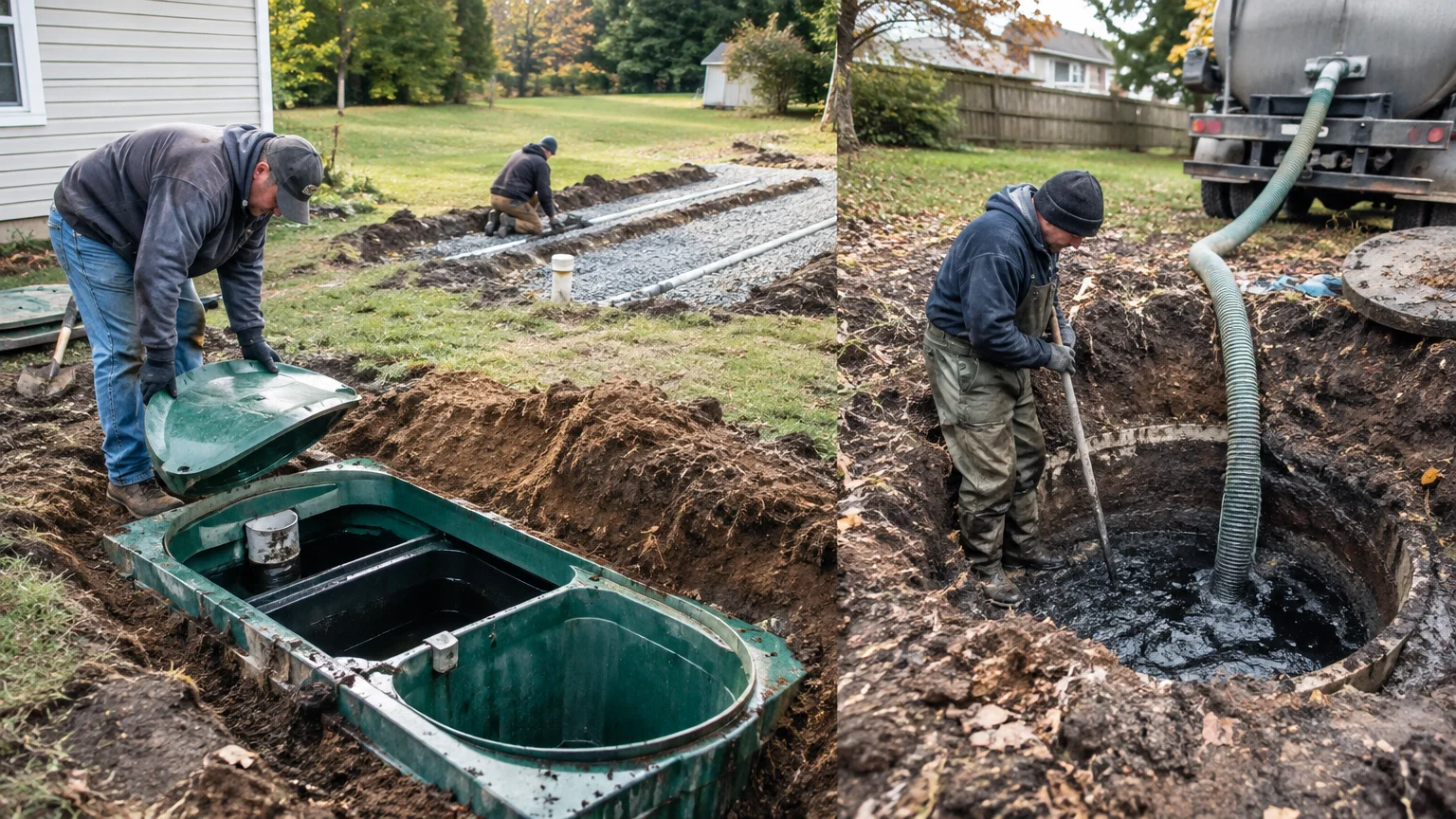
The main lesson in septic vs cesspool comparisons is that design controls wastewater treatment. Septic systems provide more separation and planned soil treatment. Cesspools use one pit and may create greater groundwater concerns when old, damaged, overloaded, or close to wells.
Septic Tank Pumping Ocala helps property owners understand septic tanks, cesspools, drainfields, pumping needs, and maintenance around Ocala. The team can also help explain what may be needed before a septic tank replacement or other system work. Contact us to arrange a professional review and discuss the next practical step.
Frequently Asked Questions
What is a septic tank?
A septic tank is a buried, watertight container that holds wastewater from a property. Heavy solids settle, light material floats, and liquid leaves through an outlet. The liquid then travels to a drainfield or another approved treatment area. The tank needs inspection and pumping because solids do not disappear completely.
How deep is a septic tank buried?
A septic tank may sit at different depths based on tank design, soil cover, climate, ground slope, and local rules. Access covers should stay findable and secure. Do not dig blindly because underground pipes, electrical parts, and unsafe openings may be nearby.
How often should a septic tank be pumped?
Timing depends on tank size, household size, water use, wastewater strength, and the amount of solids present. Inspection findings are more useful than a fixed guess. A professional can check sludge and scum levels and explain whether pumping is needed before a backup develops.
Can a cesspool be converted to a septic system?
A cesspool may be replaced with a septic system when the property meets current site and health rules. Soil, space, groundwater, setbacks, flow, and permits all matter. Obtain a site review before planning work because the old cesspool location may not suit a new drainfield.
Is septic pumping the same as septic tank cleaning?
People often use these terms together, but they can describe different work. Pumping removes liquid and accumulated solids from the tank. Cleaning may include extra attention to filters, inlet areas, or accessible parts. Confirm the exact service before work begins, especially when the system has backups or damage.
If you are not sure what you are dealing with, it is worth having someone look at it before it turns into a bigger job. Get in touch with Septic Tank Pumping Ocala today and we will tell you where you stand.