For most homes, how often to clean septic tank systems depends on tank size, household use, water flow, and how much waste has built up. A septic inspection helps set a plan for each property. Do not wait for a backup, since warning signs can appear after wastewater has already reached the yard or home.
In everyday use, “cleaning” a septic tank usually means pumping waste out of it. The right time depends on the tank’s condition, not only on the date of the last visit. This guide explains what Ocala property owners can check safely, what a septic worker should handle, and how to plan regular care.
Table of Contents
- How often should a septic tank be pumped?
- How can you tell whether your septic tank needs pumping?
- What can homeowners safely do and how can they prepare?
- What happens during a septic tank inspection and pump-out?
- What can go wrong if a septic tank is pumped too rarely?
- Can a septic tank be pumped too often?
- When should you call a septic professional?
- Frequently Asked Questions
- Key takeaways and conclusion
How often should a septic tank be pumped?
There is no one pumping plan that fits every home. How often a septic tank needs pumping depends on its size, how many people use it, water use, and the rate that solids build up. An inspection can show if pumping is needed now or can wait. The tank’s measured state is a better guide than a date on the calendar alone.
A septic system treats household wastewater on the property. The septic tank holds wastewater so solid waste can settle at the bottom. Lighter waste forms a layer near the top. Partly treated liquid then flows to the drainfield, where soil treats it further. Pumping removes built-up solids before they can move out of the tank and harm other parts of the system.
Household size, tank capacity, and water use
More people usually send more water and waste into a tank. A small tank may fill with solids sooner than a larger tank used by the same number of people. Daily habits also affect the system. Long showers, many laundry loads, or several water-using fixtures running together can place more demand on the tank and pipes.
The number of bedrooms can help describe a home, but it does not tell the whole story. A home with few full-time residents may use less water than a busy home with guests. A change in who lives there can also change the system’s workload. Tell the technician if the household has grown, gotten smaller, or started using more water.
The amount of water entering the tank at once matters, along with total use. A fast rush of water can move waste through the system before solids have time to settle. Fix leaks, spread laundry across the week, and avoid doing several water-heavy tasks at once. These habits can ease extra strain, but they do not take the place of inspections or needed pumping.
Solids, system condition, and inspection findings
A garbage disposal sends food scraps into the tank. These scraps add material that can build up in the solids layer. Grease, cooking oil, wipes, and hygiene products can also cause problems. Products called “flushable” may not break down like toilet paper. It is better to flush only human waste and toilet paper.
A damaged tank, blocked pipe, or worn part may need care even when the tank does not seem full. A new tenant, a change in household size, or a change in business water use can affect the system too. Tell the technician about recent changes. This helps them assess the system based on its real use, not guesses about the property.
A professional inspection checks the tank and measures how much space solids take up. The results can help set a pumping plan for that property, based on its size, state, use, and past care. Keep inspection and pump-out records so the next technician can compare changes. Septic Tank Pumping Ocala can help property owners understand inspection findings and learn what care may be needed.
A septic tank riser is an access point that brings the tank opening closer to ground level. It can make future inspections easier, but it does not make unsafe work safe. Tank depth and location differ by property. If the lid is buried, do not dig without knowing where it is. Property records or a trained worker may help locate it. The U.S. Environmental Protection Agency’s septic systems overview explains how home septic systems work.
How can you tell whether your septic tank needs pumping?
Inspection records and measurements give a clearer answer than household symptoms alone. Slow drains or a sewage smell may signal trouble, but they do not prove that pumping is the answer. A blockage, broken part, or drainfield problem can cause similar signs. A professional check can help find the real cause.
Keep records of the inspection date, what the technician found, work done, and any next steps. These notes help a technician see how solids are building up and how the system has changed. If you just bought the property, ask the seller, property manager, or local records office for septic papers. Past notes may help show the system’s history.
During an inspection, a technician can check the tank and measure its layers. The results help show if waste needs pumping and if the tank or its parts need repair. Do not try to measure tank contents yourself. Opening a lid can expose you to harmful gases and can create a risk of falling into the tank.
A strong sewage smell, wet ground near the drainfield, or a toilet backup needs prompt care. These signs may mean wastewater is not moving through the system as it should. They are not a safe reason to open a tank or start digging. Some systems show few clear signs until trouble gets worse, so do not wait for a problem before planning an inspection.
Note when a sign began, which fixtures are affected, and whether water use changed. These facts can help a technician decide what to check. One sign alone does not prove that the tank needs pumping. It may point to a plumbing blockage, a damaged part, or a problem with the drainfield instead.
What can homeowners safely do and how can they prepare?
Homeowners can manage daily water use, keep care records, and keep cars and heavy loads off the drainfield. These simple steps do not need a professional. But work inside a tank, on electrical parts, on damaged system parts, or on a possible drainfield problem should be left to trained workers. Such tasks can be unsafe.
Spread laundry loads across the week instead of sending a large rush of water into the system. Fix dripping taps and running toilets, use water with care, and keep grease, paint, chemicals, wipes, and food scraps out of drains. These habits can limit extra water and unwanted solids. They cannot fix a failing system or take the place of an inspection.
Keep a simple record of inspections, pumping, repairs, and changes in who lives at the property. When a new tenant or owner takes over, share these notes to avoid guesswork. For landlords and property investors, clear records help each person understand the system’s history and any care that was advised.
Keep the area around known access points clear of sheds, paving, parked cars, and heavy items. Mark the general location so future service is easier to plan. Keep paths clear before an inspection. Do not remove a lid to look inside, and never enter a septic tank. Tank gases can cause serious harm, even if the tank looks empty.
A homeowner can look across the yard from a safe place for odd wet spots or smells. That is different from opening a tank, lifting a heavy cover, or probing below the ground. If you do not know where the lid is, check property records or ask a professional to help find it. Do not guess where to dig.
Preparing for an inspection or pump-out
Getting ready is simple: gather system records, clear a path to the tank area, and tell the technician about changes or signs of trouble. Homeowners should not open the tank or uncover a heavy lid. Clear details help the visit focus on what the system needs. They also help avoid guesses about its history or location.
Look for a property map, permit papers, inspection notes, or records from past owners. These may show where the tank and drainfield are. If you cannot find records, ask a technician how they can locate the tank safely. Do not assume it sits in one place or at one depth. Each property can be different.
The term “septic tank buried depth” does not have one answer for every home. Soil, site plans, and the way the system was put in affect how deep a tank sits. A professional can help find it without putting you at risk. Before the visit, secure pets and make sure the technician can reach the area.
Tell the technician how many people use the system and if that has changed. Share any recent plumbing work, heavy water use, slow drains, smells, or wet ground. Mention if the home was empty for a long time or is used only part of the year. These details can help explain what the technician finds.
If the property is rented, ask the owner or property manager for care records before the visit. Tenants can report signs of trouble, but should not try to repair or open the system. For a business, describe the kinds of wastewater that enter the system and any changes to daily work. Honest details help the technician make a clearer check.
What happens during a septic tank inspection and pump-out?
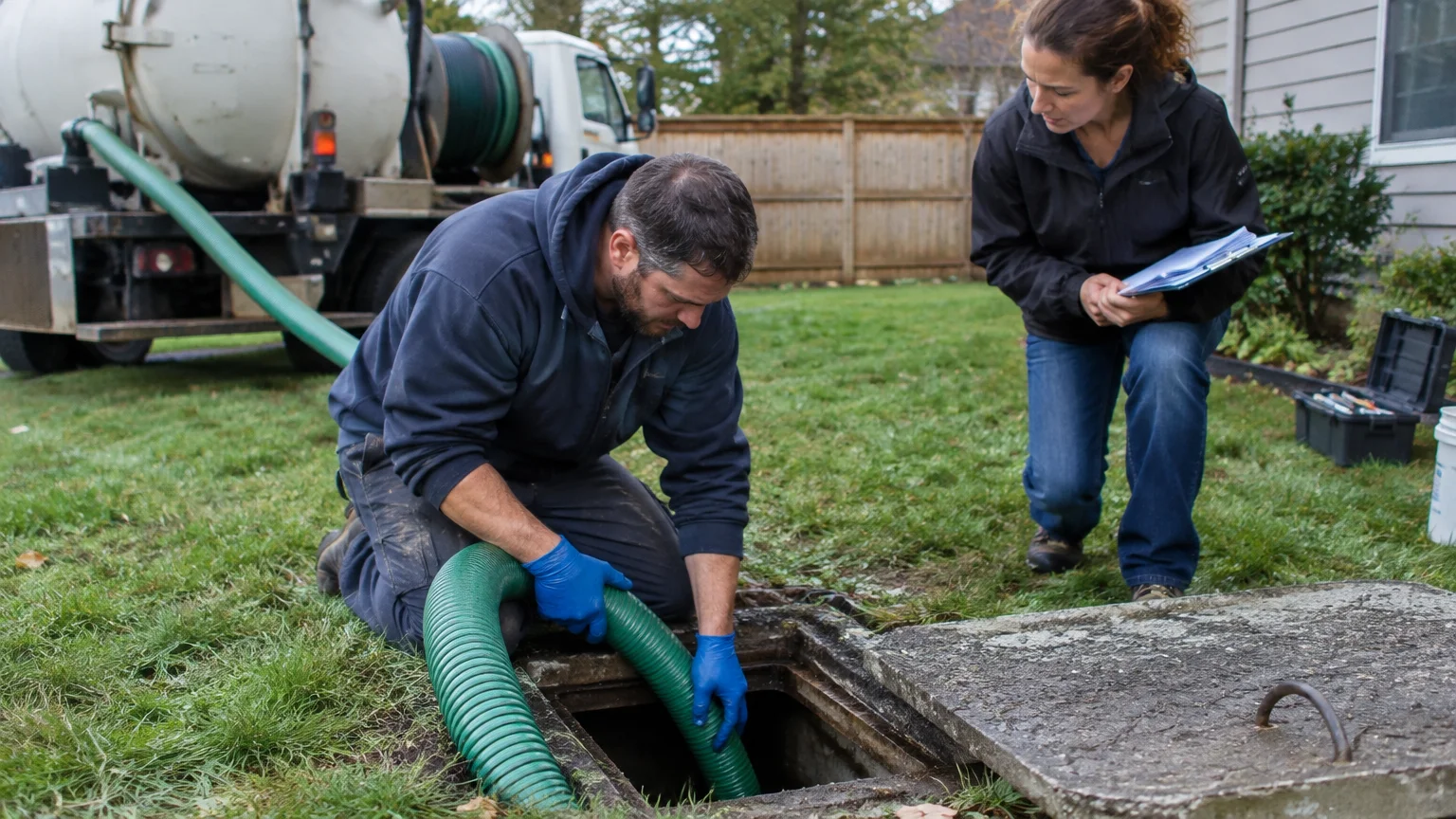
A technician checks the tank’s state and contents, then explains if pumping or other work is needed. If pumping is right, the technician removes built-up solids and records key findings. The visit should also help the owner understand what care may be needed next and when to check the system again.
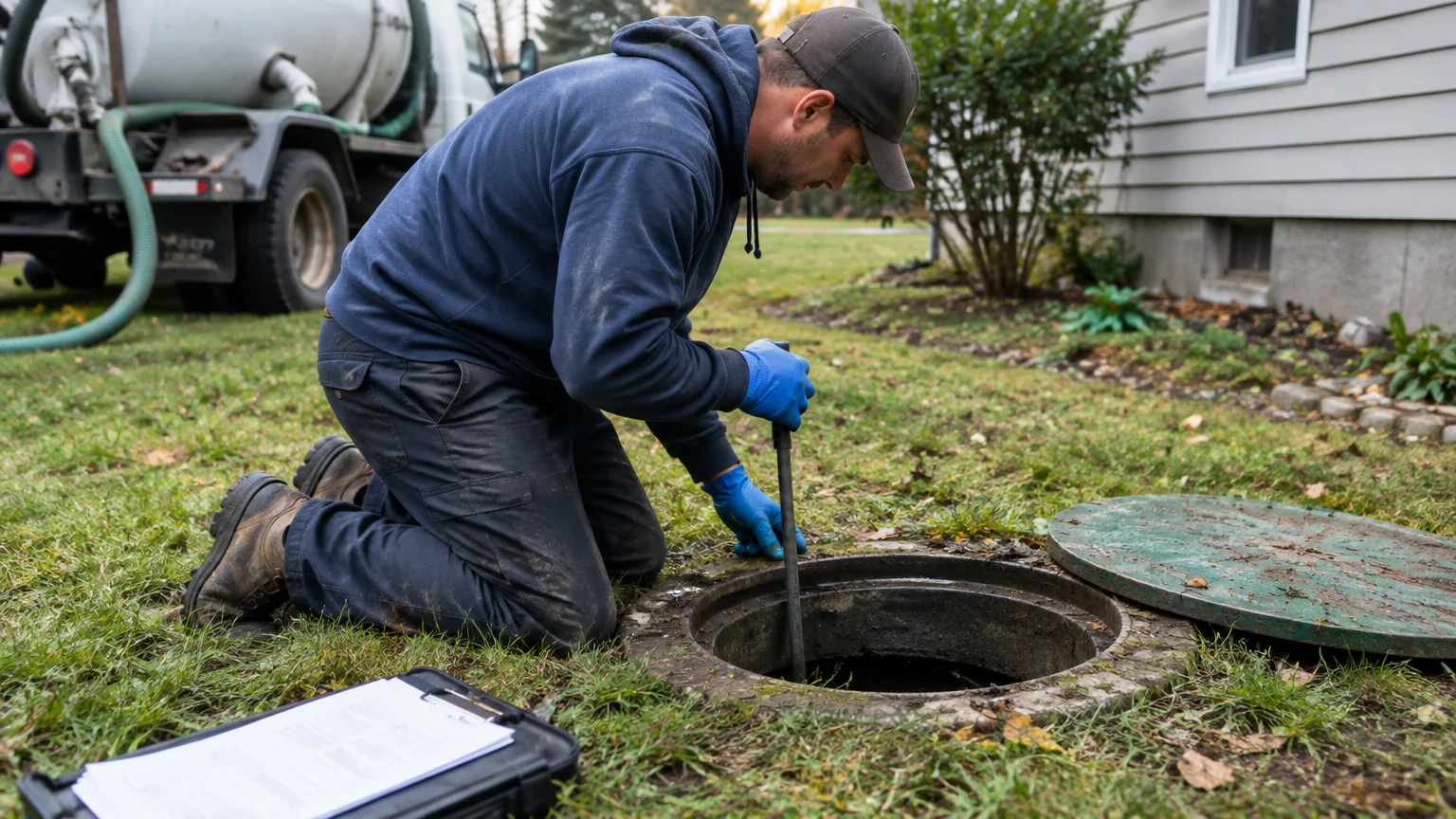
The technician finds and opens the tank using safe steps. They can check visible parts and measure the layers of solids and liquid. This helps show if the tank needs pumping. The technician may also note a damaged cover, hard access, or signs that wastewater is not flowing as it should.
Pumping a septic system does not repair every part. Removing waste will not fix a broken pipe, blocked line, or drainfield problem. If the check finds another concern, ask what the technician saw and what should happen next. A clear answer helps the owner make a plan instead of thinking pumping fixed every issue.
Ask what the measurements mean, if the tank was pumped, and if any part needs repair. Ask what records to keep and when to plan another check. If the technician found a problem, ask which signs mean it needs quick care. Save the answers with the property’s other maintenance notes.
A good septic pumping service explains its findings in plain words. Owners should know what work was done and what still needs attention. Septic Tank Pumping Ocala can talk with homeowners, landlords, and property managers about inspection findings. A clear record can help future occupants avoid guesswork and relying on memory.
What can go wrong if a septic tank is pumped too rarely?
When too many solids build up, they can leave the tank and enter the drainfield. This can clog the soil or harm system parts. Waiting for a backup can make the problem harder to manage once wastewater reaches the yard or home. A drainfield problem may need more than routine pumping.
The drainfield is the part of a septic system that receives liquid from the tank and lets it pass through soil. If too many solids leave the tank, they can block this flow and affect how the field works. A damaged or failing drainfield may need work beyond a pump-out. Early checks can help find trouble sooner.
A slow drain does not prove that solids have reached the drainfield. Still, a change in draining, new smells, or unusually wet ground needs attention. Do not drive or park over the drainfield, since heavy loads can harm buried parts. Do not plant trees or dig there unless you know where the system is.
Sewage backing up into a home or pooling on the ground can expose people and pets to harmful waste. Keep children and animals away from affected areas. Use less water if wastewater is backing up. Arrange a professional check instead of touching or trying to clean sewage without the right safety gear and help.
Pumping may be part of the answer, but it may not fix the cause. A blocked pipe, damaged tank, or drainfield failure can create similar signs. Tell the technician what happened and when it began. Quick action can limit contact with wastewater and help the technician find the source.
Can a septic tank be pumped too often?
Yes. Pumping without checking the tank’s condition may not be needed. A sound plan uses inspection findings, tank size, and household use instead of repeating a pump-out on a set date. Ask the technician to explain why pumping is advised and what the inspection showed.
A tank does not need pumping just because a set time has passed. If the tank has room and the system works as it should, pumping may not be needed yet. A busy home or a smaller tank may need care sooner than expected. A plan that fits one property may not fit another.
Pumping does not remove the need for regular inspections. A tank can have a broken lid, pipe, or other issue even when its solids are not high. Before work starts, ask what the inspection found and what the planned work will do. Knowing the reason can help avoid missed repairs and work that is not needed.
Use the technician’s measurements and written notes as a guide. Keep records so the next inspection can compare the tank’s state over time. If the household grows, water use changes, or signs of trouble appear, update the plan. Do not rely on an old reminder if the system’s use has changed.
For a rental home or a home being sold, give care records to the next person in charge. A first-time buyer can ask if the tank and drainfield were checked and if any work was advised. The goal is a plan based on the system, not a claim that the same timing fits every home.
When should you call a septic professional?
Call a septic professional if care records are missing, signs of trouble appear, or you are not sure about the system’s state. Get help quickly if sewage backs up, the yard becomes unusually wet, or a strong sewage smell starts. Do not wait for signs to set a pumping plan. They may point to an issue that needs more than routine care.
Watch for these signs and share them with the technician:
- Sewage backing up into sinks, tubs, or toilets.
- A sewage smell inside the home or near the system.
- Wet or unusually green ground over the drainfield.
- Slow drains in more than one fixture.
- A broken, loose, or missing tank cover.
One sign does not always mean the tank needs pumping. It does mean the system should be checked, especially if the sign is new or getting worse. Note where it appears and if it changes with water use. Keep people and pets away from sewage or standing wastewater.
Homeowners can use water with care and keep records, but they should not enter a tank, open an unsafe lid, or handle sewage. A septic professional should check broken parts, electrical equipment, or possible drainfield failure. These jobs can cause serious harm. They are not part of simple home care.
Never climb into a septic tank. Harmful gases can build up inside, and a person may pass out without warning. A tank also creates a risk of falling or drowning. Do not lean over an open tank or try to rescue someone by going in. Call emergency services if someone is in danger.
Tank covers may be heavy, loose, or hidden under soil. Leave lids in place and keep children away. If access is needed, let a trained technician handle it. Safe home care does not include opening the tank, measuring waste, or using tools inside it.
A cracked tank, exposed pipe, sewage spill, or wet drainfield needs professional care. Do not patch or bury broken parts yourself. Do not flush chemicals to try to clear a blockage. Chemicals may harm the system and will not show what caused the problem.
If wastewater appears inside the home, keep people and pets away from it. Use less water while you arrange help, and tell the technician what happened and when. A technician can check if the issue is in the tank, plumbing, or drainfield. For owners in Ocala’s main area, from Bellechase and Freedom Crossings Preserve to nearby neighborhoods, a septic professional can explain the next steps.
Set a reminder to review the system’s records and arrange an inspection when needed. Keep the technician’s notes, dates, measurements, and repair details in one place. If a home is sold or rented, share the records with the next owner or manager. This makes future choices easier and can help prevent missed care.
A professional can explain if the system needs pumping, another repair, or continued checks. The right plan reflects the tank, household, and inspection results. Contact us to discuss an inspection or pump-out with Septic Tank Pumping Ocala.
Frequently Asked Questions
What is a septic tank? A septic tank is a buried container that receives wastewater from a home or property. Solid waste settles inside it, while lighter waste floats near the top. Liquid then moves toward the drainfield for more treatment in the soil. The tank is one part of a septic system, not the whole system.
What is a septic system? A septic system treats and manages wastewater on a property that is not linked to a public sewer. It often has a tank, pipes, and a drainfield. Each part has a job, so a backup or wet yard may involve more than the tank. An inspection can help find the cause.
How deep is a septic tank buried? There is no one depth for every tank. Its place depends on the property and how the system was put in. Check site records if you have them, or ask a professional to locate it. Do not dig without a clear plan, since pipes and other system parts may be nearby.
How can a homeowner find a buried septic tank? Start with property records, permits, or diagrams from past owners. If they do not show the tank, ask a septic professional to help find it safely. Do not guess its location or dig around the yard at random. A trained person can find the access point while lowering the risk of damage.
What is a septic tank riser? A septic tank riser is an access structure that brings a tank opening closer to the ground. It can make later inspections easier, but it does not make it safe for a homeowner to open the tank or enter it. A professional should handle tank access and inspection.
Key takeaways and conclusion
- Pumping needs depend on tank size, household use, and inspection findings.
- Inspection notes and measurements give a better guide than a calendar alone.
- Homeowners can limit extra water and solids with simple daily habits.
- Never enter a septic tank or open an unsafe lid.
- Backups, sewage smells, and wet ground need a professional check.
The best way to decide how often to clean a septic tank is to use inspection findings, the property’s use, and its care history. Safe daily habits help, but they do not replace professional checks. Keep records, watch for changes, and act quickly when signs of trouble appear. For Ocala property owners, Septic Tank Pumping Ocala can help explain what an inspection means and what care may be needed. Contact us through Septic Tank Pumping Ocala to plan the next step for your septic system.