A septic tank installation permit helps confirm that a new system follows local rules before work starts. It may cover the soil, tank, drainfield, setbacks, and system design. Rules vary by county and property use. Ocala owners should check with the right local office before hiring an installer.
Table of Contents
- Do you need a septic tank installation permit?
- Who issues septic tank installation permits?
- What does a septic installation permit cover?
- When do septic system projects trigger a new permit?
- What is a perc test, and is it required for a permit?
- How do you apply for a septic tank installation permit?
- Who should you contact about a septic installation permit?
- Frequently Asked Questions
- Key takeaways
- Conclusion
Do you need a septic tank installation permit?
Most new septic systems need approval before construction begins. A permit lets the proper office review the tank and soil treatment area. It also helps protect wells, homes, streams, and groundwater from unsafe wastewater treatment.
Rules differ across the country. In many places, a permit is needed for a new home, a septic tank replacement, or a major system change. Some small repairs may use a simpler process. Other repairs need full review if they change the tank, drainfield, location, or system size.
Do not rely only on an old permit. It may belong to a former owner, an older system, or a different design. The local office can check the records. It can also tell you if a new application is needed.
When a new septic system requires approval
A new system usually needs approval before digging starts. The review may look at bedrooms, wastewater flow, soil, groundwater, slopes, wells, property lines, and nearby water. The office may also ask for a site plan from a qualified professional.
The permit record can help more than the current owner. It may help future buyers, tenants, lenders, and neighbors. It can show what was approved and where the system was placed. This information may matter during a sale, inspection, remodel, or insurance review.
Why installing without a permit can create problems
Unapproved work can lead to failed inspections and correction orders. The owner may need to change or remove installed parts. Work may also face delays before the home receives approval for use.
Unpermitted work can make a property harder to sell. A buyer may wonder if the system follows current rules. They may also question whether it can serve the home’s present or future needs.
Septic Tank Pumping Ocala encourages property owners to check local rules first. Septic tank pumping professionals can explain system parts and care needs. However, the local permitting office decides whether a proposed system is approved.
Who issues septic tank installation permits?
A local health department often issues septic permits. The office may also be called an environmental health office, public health department, onsite wastewater office, or wastewater agency. The name and process depend on where the property sits.
The local office reviews applications and may inspect the site. It can explain which forms to use and whether soil testing is needed. It can also explain setbacks and check records for older systems. Ask for the office that serves the property, not simply the office closest to you.
The septic system rules may differ because soil, water tables, lot sizes, weather, and land use differ. The local office applies state and county rules to each property. It remains the best source for current permit information in Ocala.
The role of local health departments
The health department may review the site plan, soil results, design, and installation details. It may approve the work before construction starts. It may also return during installation for one or more inspections.
Some offices require an as-built drawing after the work ends. An as-built drawing shows the final location of the tank, pipes, and treatment area. Keep this drawing with the permit and other system records.
The agency may review the number of bedrooms and the planned use of the building. A home, rental, restaurant, office, or campground may have different wastewater needs. Give accurate details on the application.
When state or environmental agencies are involved
A state agency may set standards or license installers. It may review special sites near wetlands, public water supplies, large buildings, or sensitive watersheds. Most home permit decisions still happen at the local level.
Ask the local office if another agency must review the project. This can help prevent a delay after the first application. A septic professional who works around Ocala may know which office usually handles local applications. The agency remains the final source for current rules.
What does a septic installation permit cover?
A septic installation permit usually covers the approved site, system design, tank, treatment area, and work plan. It may also list construction and inspection rules. The permit does not allow an owner to move the system or change the design without approval.
A septic system is a private wastewater setup. It collects wastewater, holds solids, and treats liquid in soil or another approved unit. The tank is only one part. Pipes, pumps, controls, the drainfield, soil, and reserve area may also affect approval.
Site evaluation, soil testing, and system design
The agency may require a site evaluation before approval. This review looks at soil texture, soil depth, rock, slope, seasonal groundwater, flooding, and nearby water. The site must have enough suitable space for treatment.
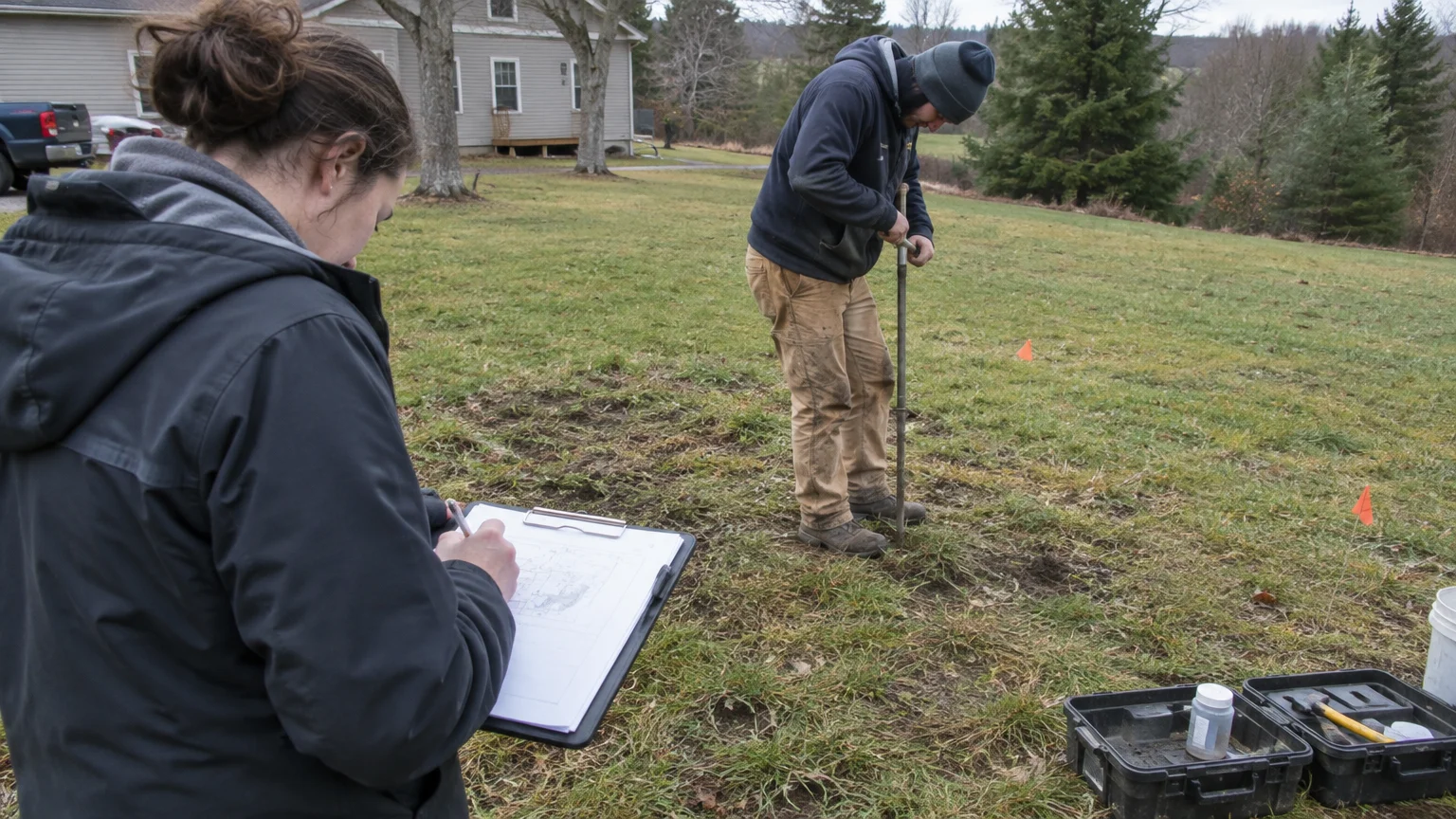
A soil or perc test checks how water moves through soil. A qualified person may perform the test, based on local rules. The results help show whether a standard drainfield can work. They may also point to another approved system design.
The design may show tank size, trenches, pumps, pipes, and reserve space. It should match the building’s expected wastewater flow. A larger home or business may need a different system than a small home.
Property boundaries, setbacks, and approved components
Setbacks are required distances between a septic system and nearby features. These features may include buildings, wells, property lines, roads, streams, and drainage areas. The distance depends on local code and site conditions.
The permit plan should show these features clearly. The agency may also approve certain tanks, pipes, pumps, treatment units, or controls. Changing a part after approval may change the design. Ask before moving the tank or adding a structure near the drainfield.
A permit does not replace good property records. Keep the approved plan, inspection notes, maintenance records, and final drawing together. These records help future owners find and protect the system.
When do septic system projects trigger a new permit?
A new permit may be needed when a project changes system capacity, location, treatment, or property use. New construction and full replacements are common examples. A repair may also need review if it affects the drainfield or home size.
The answer depends on local rules and the system’s condition. Do not assume that a small repair needs no approval. The local office can explain whether the work needs a repair, modification, or installation permit.
New construction, replacements, and expansions
New construction usually needs a site review and approved septic design. A full septic tank replacement may need a similar review. This is more likely when the old system failed because of poor soil, limited space, or a high water table.
An addition can change the expected wastewater flow. Adding bedrooms may trigger a review even when the existing system seems to work well. A finished basement, accessory dwelling unit, rental change, or business use may also affect permit rules.
Ask about septic capacity before finishing building plans. This can reveal limits that affect the size, location, or design of the new project.
Repairs, additions, and changes in property use
Some repairs include cleaning, replacing a lid, fixing a baffle, or repairing a pipe. Homeowners may handle simple care, such as keeping vehicles off the drainfield. They may also check for clear surface damage.
Do not enter a tank or change buried pipes yourself. Wastewater and tank spaces can be dangerous. Trained professionals should handle work near tanks, sewage, buried lines, and electrical equipment.
A change from home use to business or rental use may need review. Events, food service, offices, and other uses may create more wastewater. The system must match the expected load.
When unsure, ask the permitting office before work begins. This short check can help prevent a correction later.
What is a perc test, and is it required for a permit?
A perc test is a field test that shows how quickly water moves through soil. It is often part of a new septic site review. The name and exact test may differ under local rules.
The result helps officials decide if soil can treat wastewater. It also helps a designer choose the drainfield type, size, and location. A passing result does not promise approval. The agency may still review slopes, groundwater, setbacks, lot layout, and design.
How soil and site conditions affect approval
Good soil needs enough depth and drainage for treatment. Soil that drains too slowly may hold wastewater near the surface. Soil that drains too fast may not treat it before it reaches groundwater.
Rock, fill, shallow soil, flooding, and steep slopes can also affect approval. One part of a property may have good soil while another part does not. The test area must match the planned drainfield and reserve area.
Keep the test area clear of sheds, driveways, pools, trees, and future building work. Ask who may perform the test before scheduling it. Local rules may require an approved soil evaluator, designer, or engineer.
What happens when a property fails the evaluation
A failed test does not always mean the property cannot use septic treatment. Another drainfield area may work. The owner may also need a raised design, pressure distribution, advanced treatment, or another approved system.
These choices depend on local rules and site limits. A designer can review the lot and explain allowed options. Do not install a system based only on an informal soil opinion. The proper agency must approve the final plan.
How do you apply for a septic tank installation permit?
The process usually starts with the local permitting office. The owner submits property details, a site plan, soil results, a proposed design, and required forms. The office reviews the package and may request changes.
The review may take longer when records are missing or the lot has difficult soil. Small lots and projects involving several agencies may also need more time. Apply before scheduling excavation or ordering major parts. Approval should come before construction.
Documents and information to prepare
The exact list varies, but an owner may need:
- The property address, parcel number, and owner information.
- A site plan showing buildings, wells, roads, slopes, water, and property lines.
- The planned number of bedrooms and the expected property use.
- Soil, perc test, or site review results.
- A septic design from an approved professional.
- Details about the tank, drainfield, pump, treatment unit, and reserve area.
- Permission for the agency or approved professionals to enter the site.
Compare the application with the deed and building plans. Different addresses, parcel numbers, or bedroom counts can create questions. Clear papers help the reviewer understand the project.
Inspections, approvals, and permit timing
The agency may inspect the site before work, during installation, and after key parts are placed. Some inspections must happen before trenches are covered. The installer should know when to request each inspection.
After approval, follow the approved design. Report changes before making them. The final record may include an as-built drawing, inspection sign-off, operating instructions, and maintenance needs.
Local schedules vary, so ask about each step early. Septic Tank Pumping Ocala can help Ocala property owners understand questions to ask before arranging septic pumping or installation work.
Who should you contact about a septic installation permit?
The local health or environmental health department should be your first contact. It can confirm the application, testing rules, setbacks, inspection steps, and approved professionals. Give the full property address and explain the planned work.
A qualified septic designer or installer can help with the technical parts. A septic pumping company may help with records, tank access, maintenance, and system condition. A service provider cannot replace approval from the permitting office.
Questions to ask the permitting authority
Owners can ask:
- Does this project need a new permit or repair approval?
- Who may perform the soil review or perc test?
- What setbacks apply to wells, buildings, streams, and property lines?
- How many bedrooms or occupants should the design support?
- Which inspections must happen before the work is covered?
- Is a final drawing required after installation?
These questions help owners understand the process before work starts. Also ask how long the permit lasts. Ask what happens if the design changes.
How a qualified septic professional can help
A qualified professional can inspect accessible parts and explain maintenance needs. They can review site conditions and help find missing records. They may also work with the designer and installer.
This help can support homeowners, landlords, investors, and first-time buyers. Septic Tank Pumping Ocala serves property owners across Ocala with practical system guidance. For a property in Ocala, first confirm the rules with the local agency. Then use a qualified professional for work involving wastewater, tanks, buried lines, or electrical parts.
Frequently Asked Questions
How deep should a septic tank be?
A septic tank should sit at the depth shown in the approved design. Depth depends on soil cover, pipe slope, access, groundwater, and local rules. Keep the tank accessible for inspection and pumping. Do not add soil over the lid without checking the plan.
How far does a septic tank need to be from a house?
The distance varies by state, county, soil, and system design. Setbacks may also apply to wells, property lines, driveways, and streams. The approved site plan is the best source for your property. The local office can confirm the rule before work begins.
Who performs a perc test?
A qualified soil evaluator, engineer, designer, or other approved person may perform the test. The allowed professional depends on local rules. Ask the permitting office before hiring anyone. A test from an unapproved person may not support the application.
What is a septic system?
A septic system treats wastewater where public sewer service is not available. It usually includes a tank, pipes, a drainfield, and soil or treatment equipment. Solids settle in the tank while liquid moves to the treatment area. Regular maintenance helps protect the system and nearby water.
Does septic pumping replace a permit?
No. Septic pumping removes solids from the tank. It does not approve construction or system changes. A permit may be needed for installation, replacement, expansion, or some repairs. Ask the local agency before changing the tank, drainfield, pipes, or property use.
Key takeaways
- Most new septic systems need approval before construction begins.
- The local health office explains current permit and testing rules.
- A permit may cover soil, design, setbacks, equipment, and inspections.
- Replacements, additions, and changed property use may trigger review.
- A perc test is only one part of the full site evaluation.
Conclusion
A septic tank installation permit helps show that a proposed system fits the property and local health rules. It can protect owners, buyers, tenants, neighbors, and nearby water. The process may include soil testing, a site plan, system design, inspections, and a final record.
Rules differ across the United States. Start with the agency that serves the property. Qualified septic professionals can explain system condition and help prepare for approved work, but the agency gives final approval. Contact us to discuss septic questions and arrange the next step with Septic Tank Pumping Ocala.