The answer to how often to clean out septic tank systems depends on tank size, household use, and the solids entering the tank. Many homes need septic pumping every few years, but no single schedule fits every property. A septic professional can check the tank and suggest a safe plan for your Ocala home.
Table of Contents
- How Often Should You Clean Out a Septic Tank?
- Can Homeowners Handle Septic Tank Maintenance Themselves?
- How Do You Know When a Septic Tank Needs Pumping?
- What Are the Steps for Cleaning Out a Septic Tank?
- What Can Go Wrong If You Wait Too Long to Pump?
- How Can You Keep a Septic Tank Working Between Pump-Outs?
- When Should You Call a Septic Tank Professional?
- Frequently Asked Questions
How Often Should You Clean Out a Septic Tank?
Most septic tanks need regular checks and pumping when sludge and scum take up too much space. The right time depends on the number of people in the home, tank size, water use, and solid waste. A small tank serving a busy home may need care sooner than a large tank serving fewer people.
Sludge is the heavy waste that settles at the bottom. Scum is the light layer that floats on top. Pumping removes both layers before they move into the outlet pipe or drainfield. A drainfield is the soil area that takes in treated wastewater.
What determines the right pumping frequency?
Past service records are a good place to start. If there are no records, a professional can inspect the tank and measure its layers. This helps set a schedule based on real use instead of guesses. New owners should ask for pumping and inspection records before buying a property.
Guests, frequent laundry, and a garbage disposal can send more waste into the tank. Older systems, high groundwater, and damaged baffles may also change the schedule. Local soil, system design, and permit records can matter in Ocala as well. Septic Tank Pumping Ocala helps local property owners understand these factors.
How do household size and tank capacity affect timing?
More people usually means more showers, toilet use, laundry, and wastewater. A larger tank can hold more solids, but it still needs regular checks. Rental homes also need a clear plan because the number of people using them may change.
The best answer to “septic tank when to pump” comes from the tank’s condition. Calendar reminders are useful, but they should not replace an inspection. Homeowners can ask Septic Tank Pumping Ocala about a practical plan for a home, rental, or business.
Can Homeowners Handle Septic Tank Maintenance Themselves?
Homeowners can handle simple upkeep. This includes spreading out laundry, fixing leaks, and keeping service records. They can also watch for wet spots, odors, slow drains, and changes near the drainfield. They should never open, enter, pump, or repair a septic tank themselves. Septic tanks can contain toxic gas and unsafe wastewater.
Good care starts inside the home. Fixing leaks quickly keeps extra water out of the system. Careful use of toilets, sinks, and appliances also helps. These steps do not replace septic pumping, but they can reduce stress between service visits.
Which routine tasks are safe for homeowners?
A homeowner can safely complete these basic tasks:
- Keep a record of the last inspection and pump-out.
- Repair leaking toilets, faucets, and outdoor spigots.
- Spread laundry over several days instead of doing it all at once.
- Keep vehicles, sheds, and heavy tools off the drainfield.
- Learn where the tank, lids, pipes, and drainfield are located.
- Watch for standing water, odors, or very green grass.
Some systems also have an effluent filter. This filter helps keep solids from leaving the tank. It may need cleaning by a professional. Its location and care depend on the system design.
When is septic maintenance not a do-it-yourself job?
Pumping needs a vacuum truck, safe waste handling, and trained workers. Tank lids may be heavy, buried, or damaged. Entering a tank can be deadly because its gases can remove oxygen or cause sudden illness. No one should climb into a tank or lean over an open access point.
Homeowners should not dig near buried lines without knowing where they are. A professional can help prevent damage to pipes, the tank, and nearby utilities. This matters before landscaping, building, or adding a fence.
How Do You Know When a Septic Tank Needs Pumping?
Common warning signs include slow drains, sewage odors, gurgling pipes, wastewater near the tank, and wet ground over the drainfield. These signs may point to a full tank, blocked pipe, failed pump, or drainfield issue. Do not ignore them, even when the toilets still flush.
A full tank may not show a clear warning at first. Waiting for a backup is not a safe maintenance plan. Early service may find the cause before wastewater reaches the home, yard, or nearby water.
What are common warning signs of a full or overloaded tank?
Watch for changes that affect more than one fixture. One slow sink may have a local clog. Several slow drains may point to a septic problem. Strong sewage smells outside can also signal a leak, poor airflow, or an issue near the tank or drainfield.
Important signs include:
- Toilets flush slowly or make odd bubbling sounds.
- Several drains become slow at the same time.
- Sewage odors appear inside or outside.
- Grass over the drainfield grows faster or looks very bright.
- The yard has wet soil or standing wastewater near the system.
- Sewage backs up into a shower, floor drain, or toilet.
Why can waiting for symptoms create bigger problems?
A backup is often a late warning. Solids may have already moved into the outlet line or drainfield. When soil pores clog, wastewater may not spread or filter well. The property may then need more than routine pumping.
Keep children and pets away from suspected wastewater. Do not dig in the area or cover it until the cause is known. Septic Tank Pumping Ocala serves the main Ocala area, including Bellechase, Freedom Crossings Preserve, and nearby neighborhoods. Local help can make it easier to check warning signs and choose the next step.
What Are the Steps for Cleaning Out a Septic Tank?
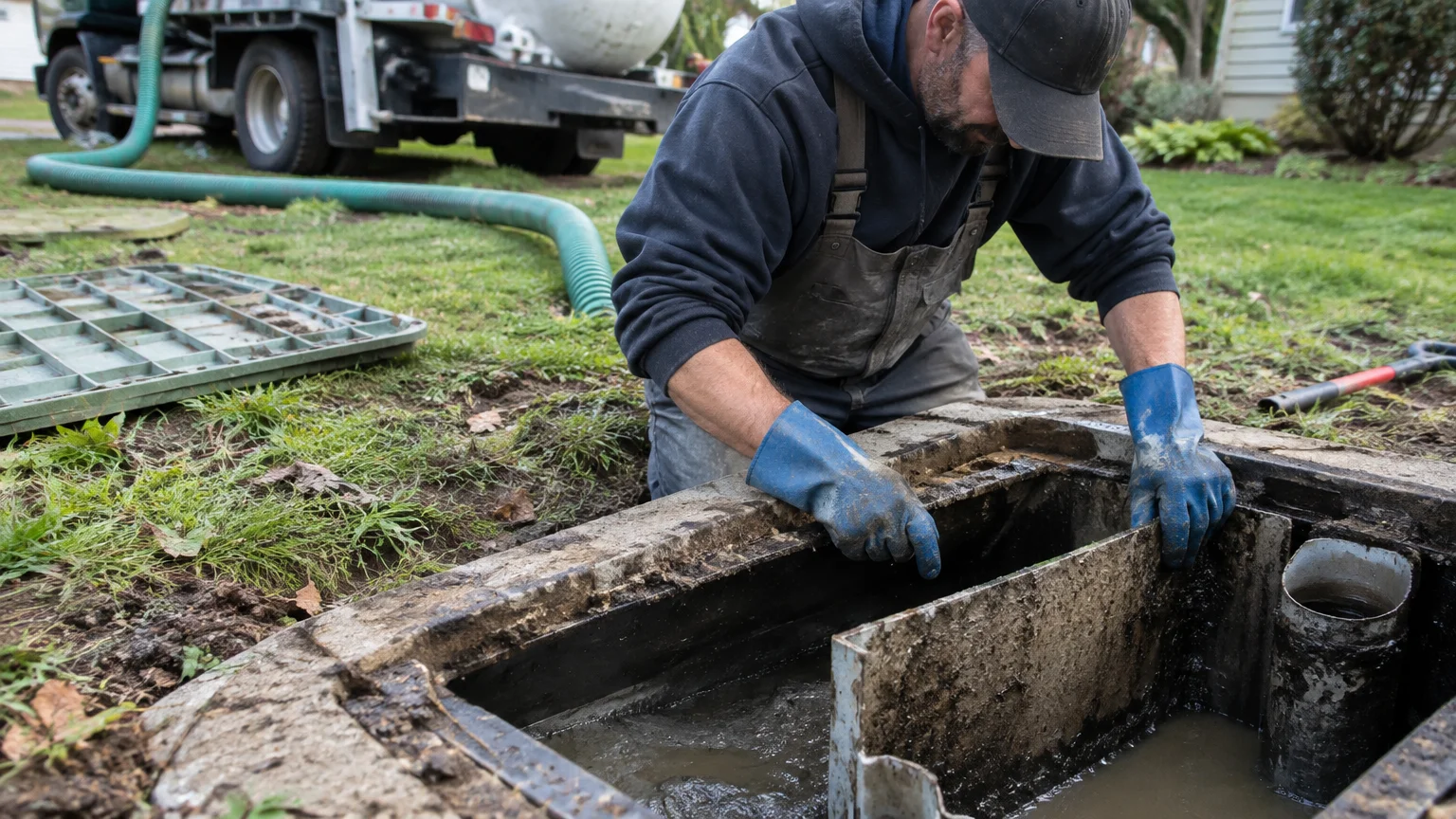
A professional pump-out starts with safe planning and access. The worker locates the tank, opens the access point, checks its condition, and removes liquid, sludge, and scum with a vacuum truck. The worker may also check baffles, filters, lids, and inlet and outlet pipes.
The process depends on the tank design and site. Some tanks have one access lid. Others have separate lids over different openings. A buried tank may need careful digging before service starts.
How should a homeowner prepare for a professional pump-out?
Find any available records and mark the likely tank location. Clear the service area of cars, toys, furniture, and loose items. If the location is unknown, share property plans or old service notes.
Tell the professional about slow drains, odors, backups, unusual water use, or recent building work. Also mention any pump tank, alarm, filter, or backup drainfield area. These details can help the worker check the system safely.
What happens during septic tank pumping?
The worker safely reaches the tank and removes its contents. The tank is checked for cracks, damaged lids, roots, broken baffles, and leaks. If the system has an effluent filter, the worker may clean and inspect it during the visit.
Pumping does not fix every septic problem. A blocked line, failed pump, broken pipe, or saturated drainfield may need other work. The worker should explain visible concerns and suggest an inspection when the tank condition does not explain the symptoms.
What Can Go Wrong If You Wait Too Long to Pump?
As solids build up, they reduce the tank’s usable space. Wastewater may then leave before the solids settle. Those solids can block pipes or reach the drainfield, where they may reduce soil absorption.
A neglected system can cause backups, bad odors, wet ground, and damage to landscaping. It may also create health risks for people and pets. Any needed repair depends on access, tank size, damage, parts, and urgency. The final cost is confirmed on a quote.
How do sludge and scum affect the septic system?
A healthy tank separates solids from liquid. Heavy sludge settles, while scum floats. The middle liquid layer should move through the outlet without carrying much solid waste. Too much sludge or scum reduces this separation space.
A damaged baffle can make the issue worse. A baffle slows the flow and helps keep floating or settled waste inside the tank. If it breaks, solids may reach the drainfield sooner than they should.
What damage can reach the drainfield and property?
The drainfield needs open soil spaces to accept wastewater. Too many solids, excess water, or poor soil can limit that flow. The result may be standing water, sewage on the surface, or wastewater moving back toward the home.
A failing drainfield may need testing and design work, not just pumping. A perc test, or percolation test, checks how fast water moves through soil. A qualified soil worker or local authority may handle the test under local rules. A septic inspection can also help before a home purchase or major property change.
How Can You Keep a Septic Tank Working Between Pump-Outs?
Good daily habits reduce strain on the tank and drainfield. The main goals are to limit extra water, keep harmful items out, and protect the soil area. These habits help, but they do not replace inspections or pumping.
Everyone in the home should follow the same rules. One large release of water can affect a small system. Tenants, guests, and new owners should know where the tank and drainfield are and what must stay out.
Which water-use habits reduce strain on the system?
Fix leaks as soon as they appear. Run full dishwasher and washer loads, but spread laundry across the week. Avoid sending a large amount of water into the system at once. Send roof drains and surface water away from the tank and drainfield.
Protect the drainfield from heavy weight. Do not park cars or place sheds over it. Deep roots may harm buried pipes, so choose plants that fit local guidance and the system layout.
Which products and materials should stay out of the tank?
Toilets should receive human waste and toilet paper only. Grease, wipes, paper towels, paint, chemicals, and medicines can harm pipes or treatment. A garbage disposal adds solids and may mean more frequent maintenance.
Do not depend on septic additives instead of pumping. Products that claim to clean or restore a system cannot fix a blocked pipe, damaged tank, or failed drainfield. Ask a qualified professional before adding a product.
When Should You Call a Septic Tank Professional?
Call promptly when sewage backs up, wastewater appears in the yard, strong odors continue, or several drains slow at once. A professional should also check the system before buying a property, adding bedrooms, building near the drainfield, or changing water use.
Emergency help may be needed when sewage enters the home or reaches play areas. Stay away from the wastewater, stop extra water use, and explain the symptoms when arranging service. Do not cover the area with soil or cleaners.
Which situations require prompt septic service?
Call a septic professional when:
- Wastewater backs up into a sink, tub, shower, or toilet.
- A sewage smell continues after normal plumbing checks.
- The yard stays wet near the tank or drainfield.
- Several fixtures drain slowly or gurgle.
- A septic alarm sounds or a pump stops working.
- A tank lid, pipe, or access cover looks damaged.
Septic Tank Pumping Ocala can help property owners review symptoms and decide if pumping, inspection, or another service is needed. Local conditions and system designs differ, so a site visit may be the safest next step.
What information should a homeowner gather?
Share the property address, system location, last service date, recent symptoms, and number of users. Note unusual water use, building work, heavy rain, plumbing repairs, or recent backups. Photos of wet ground or damaged lids may help, but do not approach unsafe wastewater.
For a home sale, gather permits, inspection reports, pumping records, and repair papers. These records help the worker understand the system and plan future care. Contact us to arrange septic tank service for the property.
Frequently Asked Questions
How deep should a septic tank be?
Septic tanks are buried at different depths. The depth depends on tank design, soil, slope, frost, and local rules. Many tanks have lids near the surface, but some are deeper. Do not dig blindly. A professional can find the tank and identify its access points safely.
What is a septic system?
A septic system treats household wastewater on the property. It usually has a tank, inlet and outlet pipes, and a drainfield. Solids settle in the tank while liquid moves toward the drainfield for soil treatment. The system needs careful use, inspections, and pumping.
How far does a septic tank need to be from a house?
The needed distance depends on health rules, lot size, soil, wells, and system design. Setback rules may differ by state and county. Check local records or ask a qualified professional before installing, moving, or expanding a septic system.
Who performs a perc test?
A qualified soil worker, health official, engineer, or other approved specialist may perform a perc test. The person depends on local rules. The test checks how water moves through soil. It often helps plan a new or replacement drainfield, not routine pumping.
How often should a septic tank be inspected?
Inspection timing depends on the system’s age, use, service history, and local rules. An inspection is wise before buying a property, after warning signs, or when records are missing. Regular checks help confirm that the tank, pipes, pump, and drainfield work as expected.
Key Takeaways
- Pumping frequency depends on tank size, household use, water flow, and solids.
- Homeowners can manage safe upkeep but should never enter or pump a tank.
- Slow drains, odors, wet soil, and backups may signal a septic problem.
- Service records and inspections can help prevent surprise system failures.
- Keep grease, wipes, chemicals, and extra water out of the septic system.
Conclusion
Knowing how often to clean out septic tank systems helps property owners avoid backups and drainfield damage. The best schedule comes from tank conditions, household use, and service records. Simple water-saving habits help between visits, but professional pumping and inspections remain important.
Septic Tank Pumping Ocala supports homeowners, tenants, investors, and business owners throughout Ocala with practical septic care guidance. The right check can help you plan service before a small concern becomes a larger system problem.
If you are not sure what you are dealing with, it is worth having someone look at it before it turns into a bigger job. Get in touch with Septic Tank Pumping Ocala today and we will tell you where you stand.