Usually, is Drano septic tank safe is not a simple yes-or-no question. Septic owners should avoid chemical drain cleaners unless the exact label and a septic professional say otherwise. A plunger or drain snake is often safer. A slow drain may also point to a larger pipe or septic problem.
Table of Contents
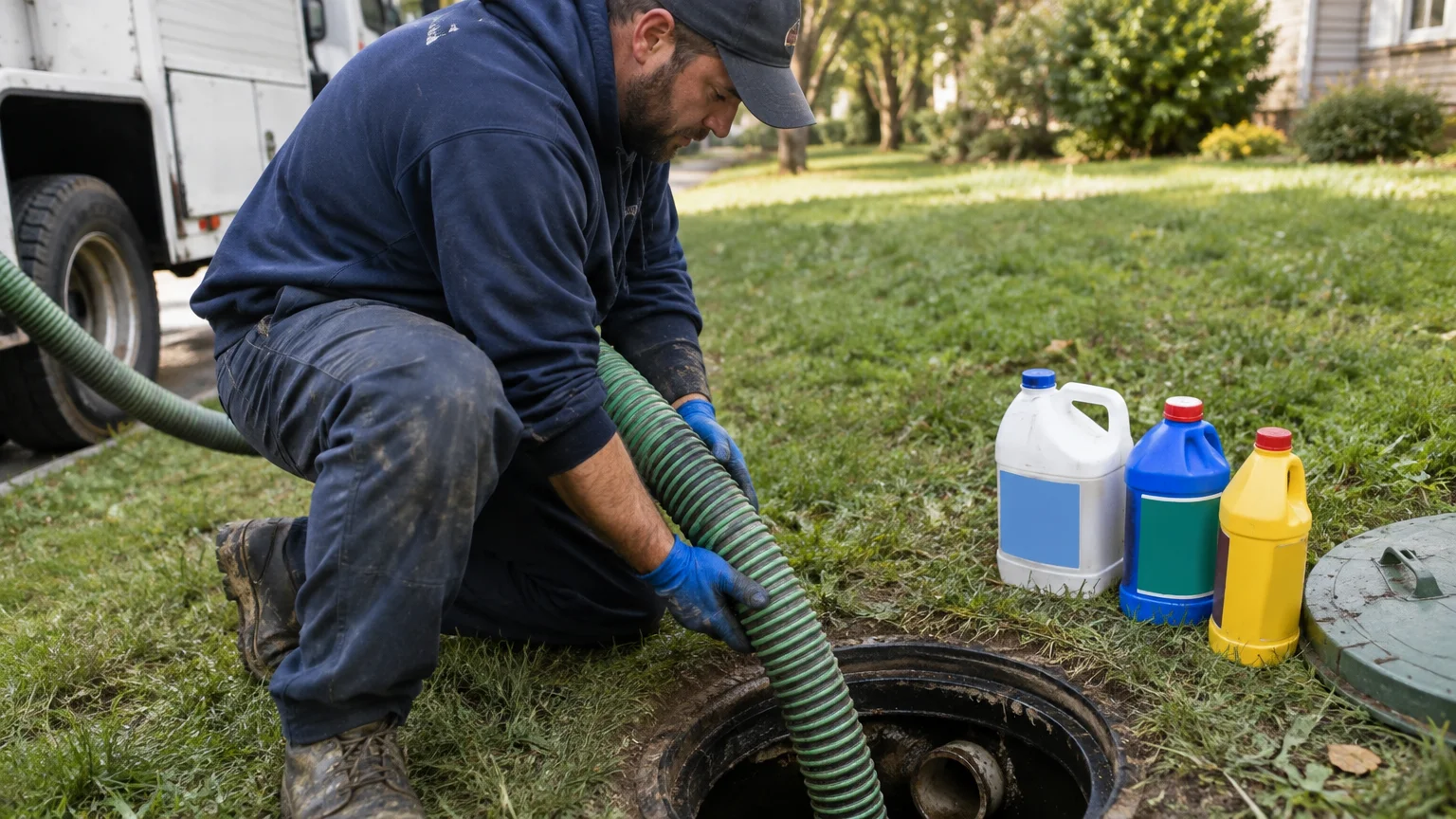
- Is Drano septic tank safe?
- What happens when Drano enters a septic system?
- Can Drano harm septic tank bacteria?
- Does Drano damage septic pipes or tank components?
- Is liquid Drano safer than other drain cleaners for septic systems?
- What should you use instead of Drano for a slow drain?
- How can you unclog a septic-system drain without chemicals?
- What should you do if you already poured Drano down the drain?
- Which common drain products should septic owners avoid?
- How do you protect a septic system from drain problems?
Is Drano septic tank safe?
Drano is not the best first choice for a home with a septic system. Read the exact product label before use. Different Drano products can have different ingredients and warnings. Even label wording about septic systems does not mean every product is right for every clog, pipe, tank, or repeated use.
A septic system treats wastewater in stages. Wastewater leaves the home and enters a buried tank. Solids settle at the bottom, oils rise, and liquid flows toward the drainfield. Helpful microbes break down some waste during this process.
Drano uses strong chemicals to loosen or break down some clogs. These chemicals may move through the drain and enter the septic tank. One use may not cause clear damage, but repeated use can create more risk than a mechanical fix.
What the product label and septic guidance indicate
The label is the first place to look. Read the label for the exact product in your home. Do not rely on a general claim about the Drano brand. Check its warnings, directions, mixing rules, and instructions for septic systems.
The U.S. Environmental Protection Agency’s septic system guidance tells homeowners to keep harmful chemicals out of septic systems when possible. This includes chemicals that may harm the tank or the soil around the drainfield.
The short verdict for septic system owners
The safest answer is simple: avoid Drano when a plunger, drain snake, or other mechanical method can clear the clog. A septic owner in Ocala may want help when a drain stays slow or several drains act up together.
One accidental use does not always mean the tank needs immediate septic pumping. The next step depends on the product, the amount used, the drain location, and the system’s symptoms. A professional can help find the cause before more chemicals are added.
What happens when Drano enters a septic system?
Drano first moves through the home’s drain line. If it does not clear the clog, some product may remain in the pipe. If the clog opens, diluted water and chemical residue can travel toward the septic tank.
This matters because the cleaner does not stop at the drain opening. A product used in a sink, tub, shower, or bathroom drain may reach the same tank. The tank receives wastewater from many parts of the home.
How chemical drain cleaners work inside plumbing
Chemical drain cleaners react with hair, grease, soap, and other buildup. Some products create heat. Others break down organic material or change the chemical balance near the clog.
That reaction may open a narrow path through the blockage. It can also leave heat, fumes, and caustic residue. Caustic means able to burn skin, eyes, or living tissue. A product that seems easy to use still needs careful handling.
The reaction may not remove the full blockage. A drain can seem better for a short time while material remains farther down the line. The same clog may return later and become harder to find.
What reaches the septic tank afterward
When water flows again, chemical residue may move with it. The amount that reaches the tank depends on the product, water flow, clog location, and amount used.
The tank receives more than water. It also receives bacteria, soap, grease, and household waste. Strong chemicals can change this mix. One use may not destroy the whole system, but repeated use is poor septic maintenance.
If several drains slow down after chemical use, the issue may be in the main building sewer or tank inlet. More cleaner will not fix a full tank, blocked baffle, damaged pipe, or drainfield problem.
Can Drano harm septic tank bacteria?
When asking “is drano septic tank safe,” homeowners should check the exact label and ask a septic professional for guidance. The effect depends on the product and amount that reaches the tank. Do not assume bacteria are protected just because a bottle mentions septic systems.
A septic tank is not just a storage box. It is part of a living treatment system. Microbes help digest some organic waste before liquid leaves the tank. The drainfield then receives partly treated wastewater.
Why beneficial bacteria matter
Helpful bacteria live in the waste and liquid inside the tank. They help break down some solids and organic matter. This process does not remove every pollutant, but it supports normal tank function.
Bacteria enter the system through normal household waste. Most working systems do not need special additives. The EPA explains that septic additives are usually not needed and may not improve system performance.
A balanced system also needs steady water use. Large bursts of water can move solids before they settle. Harsh products add another strain to a system that depends on steady use.
How chemical exposure may affect treatment
A strong chemical may reduce some microbes near the point where it enters the tank. The tank may recover after a small exposure, especially when the system is working well. Repeated chemical discharges create more concern.
Watch for slow drains, sewage smells, wet ground, or wastewater backups. These signs do not prove Drano harmed bacteria. They show that the system needs a proper diagnosis.
Septic Tank Pumping Ocala can help Ocala homeowners decide whether the issue is a household clog, a building sewer problem, or needed septic tank pumping. Finding the cause is safer than adding more chemicals.
Does Drano damage septic pipes or tank components?
Check the exact Drano label for pipe materials, use limits, and warnings. The risk depends on the formula, contact time, pipe material, pipe condition, and clog location.
Older homes may have weak joints or corrosion. A chemical that passes through a sound pipe may cause more trouble in a pipe with cracks, soft seals, or heavy buildup.
Risks to household plumbing
Strong drain cleaners may create heat as they react. That heat can stress some plastic pipes, seals, and fittings. A chemical may also sit in the line if the clog does not open.
A plunger or drain snake usually removes a blockage without adding corrosive liquid. These tools do not work for every problem, but they avoid exposing people and pipes to harsh chemicals.
Never mix Drano with bleach, toilet cleaner, acids, or another drain product. Mixing cleaners can create dangerous gas or a violent reaction. Anyone who has mixed products should leave the area and follow emergency guidance on the label.
Potential effects on seals, baffles, and tank materials
The tank has parts that guide wastewater and help hold back scum and settled solids. These parts include inlet and outlet baffles. Seals and pipe joints also help control water flow.
Chemical exposure may not damage every tank material. However, homeowners usually cannot see what happens inside a buried tank. A blocked inlet, broken baffle, or damaged line needs an inspection, not another dose of cleaner.
A septic professional may check the tank, access points, liquid level, and visible parts. The inspection depends on the symptoms and system design.
Is liquid Drano safer than other drain cleaners for septic systems?
Liquid Drano is not automatically safer than every other drain cleaner. The answer depends on its exact formula and directions. Liquid, gel, crystal, foam, and enzyme products can work in different ways, but every label needs careful review.
The term septic-safe can also be misunderstood. It may describe use under certain conditions. It does not promise that the cleaner will protect an old pipe, clear a deep clog, or solve a septic tank problem.
How formulas and active ingredients differ
Drain cleaners may contain caustic substances, oxidizers, acids, solvents, or other active ingredients. Caustic substances can burn skin and tissue. Oxidizers can react strongly with organic material and other chemicals.
Read warnings, first-aid steps, and mixing rules. Check whether the product is meant for a sink, shower, or another fixture. A sink cleaner may not be right for a toilet or septic concern.
A label cannot diagnose a clog. It only explains how to use that product. If the same drain keeps slowing, the cause may be hair, grease, roots, a damaged line, or a septic problem.
Why a septic-safe label needs careful interpretation
A septic-safe label does not remove the need for care. Septic systems work best when they receive normal household wastewater instead of a steady stream of harsh chemicals.
If a homeowner uses a labeled product once, follow every direction and do not mix it with anything else. Watch the drain and other fixtures afterward. A returning problem is a reason to stop using chemicals and find the cause.
For homes in the main Ocala area, including Bellechase and Freedom Crossings Preserve, Septic Tank Pumping Ocala can explain whether a slow drain sounds like a small plumbing issue or a concern that needs septic service.
What should you use instead of Drano for a slow drain?
For a small clog in one fixture, a plunger or hand drain snake is usually a better first step than Drano. These tools move or remove the blockage. They do not send corrosive liquid into the septic system.
The right tool depends on the fixture. A sink plunger works best when the drain opening is covered and water allows a seal. A toilet needs a toilet plunger with the right shape. A small hand snake can help with hair near a bathroom drain.
Mechanical methods for clearing minor clogs
Homeowners can try these steps when the drain is slow but not overflowing:
- Remove and clean the visible stopper, screen, or hair catcher.
- Use the correct plunger with steady, controlled pressure.
- Try a hand drain snake for a short, reachable blockage.
- Clean the trap only when you can do so safely.
- Test the drain with plain water after the blockage clears.
Stop when the tool meets strong resistance or water backs up elsewhere. Forcing a tool can damage a pipe or push the clog deeper.
Safer household habits for preventing buildup
Hair, grease, food scraps, wipes, and paper products can cause drain problems. Let kitchen grease cool and put it in household waste. Use a sink strainer to catch food particles before they enter the pipe.
Flush only human waste and toilet paper. Do not flush wipes, paper towels, cotton products, medications, or cleaning rags. These items can clog sewer lines and place extra strain on a septic system.
Good habits do not replace septic pumping. They simply reduce avoidable drain trouble between service visits. They are simple maintenance steps most homeowners can do themselves.
How can you unclog a septic-system drain without chemicals?
A homeowner can often try a plunger or small drain snake for a simple local clog. Professional help is better when several fixtures are slow, sewage backs up, or the blockage returns soon after clearing.
The goal is to learn where the issue is. One slow sink may have a nearby clog. A slow toilet, tub, and sink at the same time may point to a larger line or septic issue.
When to use a plunger or drain snake
Use a plunger when the water level is safe and the fixture has a clear drain opening. Cover nearby overflow openings when needed. This helps pressure move toward the clog.
A hand snake may help with hair or soft buildup near a drain. Wear gloves and eye protection. Clean the tool after use and store it away from children and pets.
Do not use a drain snake after pouring chemical cleaner into the line unless a trained professional says it is safe. Chemical liquid may splash back and burn skin or eyes.
When professional drain cleaning is the better option
Professional help is wise when a problem affects several fixtures, causes sewage smells, or returns often. It is also wise when the home has an unknown septic layout or a history of backups.
A professional can tell whether the issue is inside the home, in the building sewer, or at the septic tank. Drain cleaning and septic pumping are different services. Clearing a pipe will not fix a full tank, failed pump, or blocked drainfield.
Septic Tank Pumping Ocala serves property owners throughout Ocala city and can help find the service that fits the symptoms.
What should you do if you already poured Drano down the drain?
If you already used Drano, stay calm and do not add another product. Do not mix it with bleach, vinegar, toilet cleaner, ammonia, or another drain opener. Read the label and keep the container available for a professional.
Ventilate the area when safe and keep children and pets away. Skin or eye contact requires the label’s first-aid steps. Serious exposure or breathing trouble needs emergency help.
Immediate steps to limit exposure
Do not plunge or snake the drain until the chemical is removed or a professional confirms the line is safe. A tool can force liquid back toward the person using it.
Do not pour a large amount of water into a fully blocked drain. Water may overflow and spread the chemical. If the drain is open and the label gives rinsing directions, follow them carefully.
Write down the product name, approximate amount, time of use, and affected fixture. This helps a plumber or septic professional choose safer next steps.
When to contact a septic professional
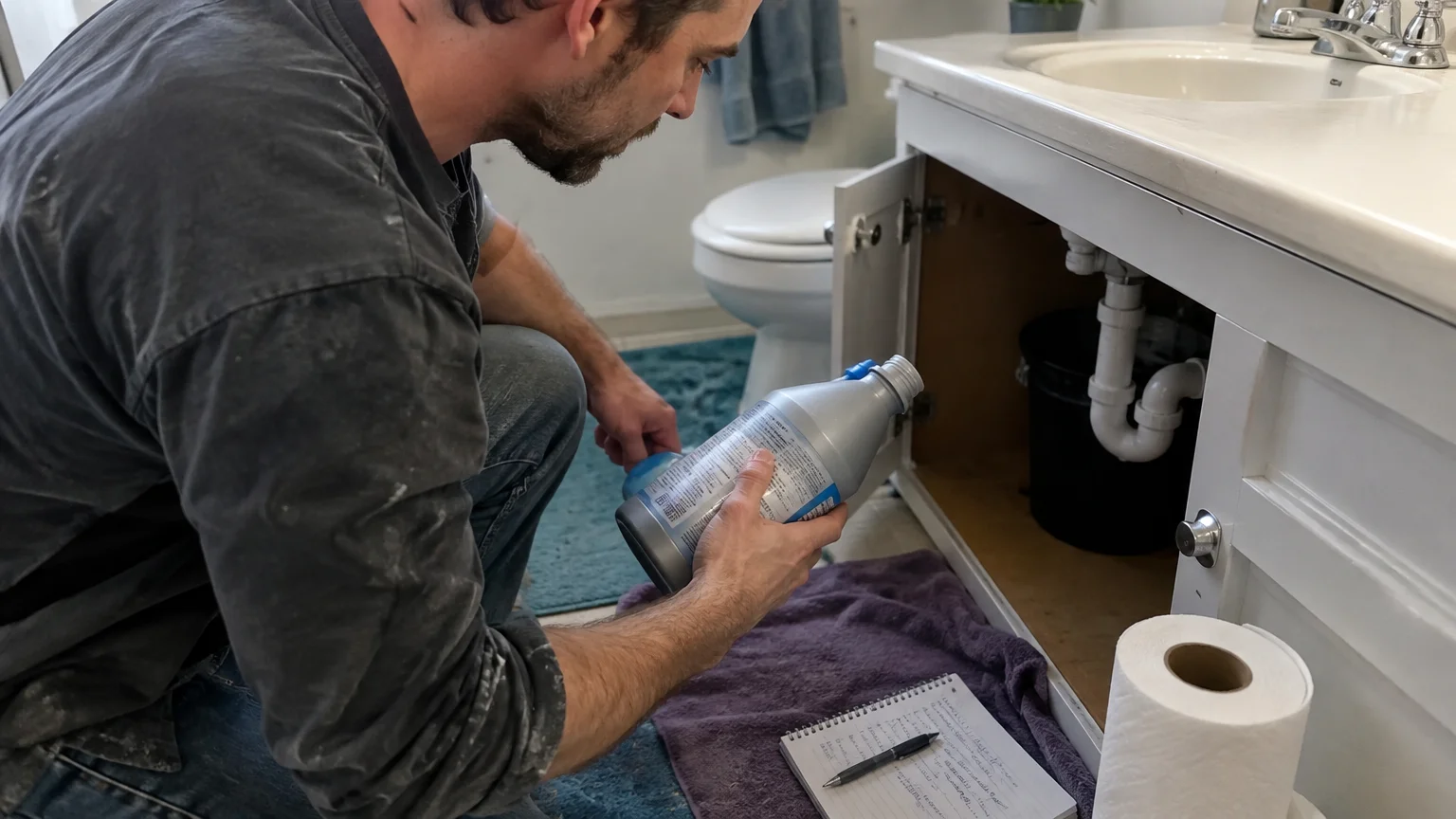
Contact a professional when the drain stays blocked, several fixtures are affected, or wastewater backs up. Contact one sooner when the home has a sewage smell, wet ground near the tank, or a history of septic trouble.
A professional may ask if the product reached the tank. The answer depends on the drain, water flow, and blockage. The next step may be drain work, an inspection, septic pumping, or simple monitoring.
One use does not automatically mean the homeowner needs septic tank replacement. The system should be judged by its condition and symptoms, not fear alone.
Which common drain products should septic owners avoid?
Septic owners should avoid routine use of harsh chemical cleaners, especially when a mechanical option can clear the clog. Products that claim to dissolve hair, grease, or roots may still burn tissue or stress plumbing.
Homeowners should also avoid products that promise to fix a septic tank without finding the cause. No bottle can repair a cracked tank, broken baffle, crushed pipe, or failing drainfield.
Chemical cleaners and corrosive ingredients
Never mix one drain cleaner with another household product. Acidic cleaners, bleach, ammonia, and caustic openers can react in dangerous ways. Never guess about chemical compatibility.
Use only products that match the fixture and label directions. Even then, occasional use should not become the home’s main drain plan. A repeated clog needs a diagnosis.
Septic additives also need care. Most working systems receive needed bacteria through normal waste. Added products may not improve treatment and can make the tank harder to understand.
Items that should never enter household drains
The following items can cause clogs, pipe damage, or septic stress:
- Flushable or disinfecting wipes, even when the package says they can flush.
- Grease, cooking oil, and thick food scraps from the kitchen.
- Paper towels, tissues, diapers, and cotton products.
- Paint, solvents, pesticides, and other harmful household chemicals.
- Medications and personal care products that do not belong in wastewater.
- Cat litter, coffee grounds, and yard waste.
Local disposal rules may vary. Property owners in Ocala should check local guidance for hazardous waste and medication disposal. These items should not go into the septic system.
How do you protect a septic system from drain problems?
Protecting a septic system starts with simple habits, careful water use, and timely service. Fix leaking fixtures, keep grease out of drains, and use strainers where food or hair may enter.
Know where the tank and drainfield are located. Clear records help owners, tenants, and service workers avoid damage. Local records may include permits, site plans, and inspection notes.
A perc test is a soil test that shows how well water moves through soil. It can help with septic planning, but it does not replace tank pumping or a service visit. First-time buyers should ask for system records and a qualified inspection.
Key takeaways
- Drano is not the best first choice for a septic home.
- A plunger or drain snake is often safer for a small local clog.
- Never mix drain cleaners or use a tool after chemical cleaner without safety guidance.
- Several slow fixtures may point to a main line or septic problem.
- Regular pumping, careful disposal, and prompt repairs help protect the system.
When septic tank pumping or an inspection may be needed
Septic tank pumping removes settled solids and floating scum from the tank. It does not clear every household drain clog. An inspection looks at the tank, pipes, baffles, liquid levels, and visible signs of damage.
The right service depends on the symptoms and system history. A full tank may cause backups. A blocked line can cause similar signs. A damaged drainfield may cause wet soil or sewage smells outside.
Septic Tank Pumping Ocala can help property owners understand the next step for a slow drain or septic concern. Contact us to discuss the symptoms and arrange the appropriate septic service.
Frequently Asked Questions
Is Drano septic tank safe for occasional use?
A product label may allow use in a septic home, but occasional use is not risk-free. The cleaner can affect plumbing, remain in a blocked line, or reach the tank. A plunger or drain snake is usually a better first option. Follow the exact label and never mix products.
What is a septic tank?
A septic tank is a buried container that receives wastewater from a property. Solids settle, floating material rises, and liquid leaves through an outlet toward the drainfield. Bacteria break down some waste inside the tank. The tank still needs inspection and pumping to remove buildup.
What is a septic system?
A septic system treats household wastewater on the property. It usually includes a tank, inlet and outlet pipes, a drainfield, and soil. The tank settles solids, while the drainfield receives liquid for more soil treatment. A problem in any part can cause slow drains or backups.
How deep should a septic tank be?
Septic tank depth varies by tank design, soil, property grade, and local rules. A homeowner should not dig to find one. Digging can damage the tank or pipes. Records, locating tools, and a trained professional are safer ways to find access points.
How can someone find septic tank records online?
Records may be held by a county health department, environmental office, building department, or local records portal. Files may include permits, site plans, and inspection notes. Confirm that a record matches the current home because additions and system changes may occur over time.
If you are not sure what you are dealing with, it is worth having someone look at it before it turns into a bigger job. Get in touch with Septic Tank Pumping Ocala today and we will tell you where you stand.