Septic tank concrete cost depends on tank size, waste levels, access, location, and the work needed to reach the tank. Concrete tanks may need careful handling because they can have deep placements or older lids. Your final quote should explain pumping, disposal, access, and any needed site work.
Table of Contents
- How much does septic tank concrete cost to pump?
- What factors affect the cost of pumping a concrete septic tank?
- Does septic tank size change the pumping cost?
- How does access affect concrete septic tank pumping costs?
- How does a concrete septic system compare with other tank materials?
- What should a septic tank pumping quote include?
- When should you request a quote for concrete septic tank pumping?
- Key takeaways
- Frequently Asked Questions
- Conclusion
How much does septic tank concrete cost to pump?
Septic tank concrete cost is based on the whole job, not only the tank material. A concrete tank may cost more or less to pump than another type. Size, access, waste levels, tank condition, and local disposal needs all shape the quote.
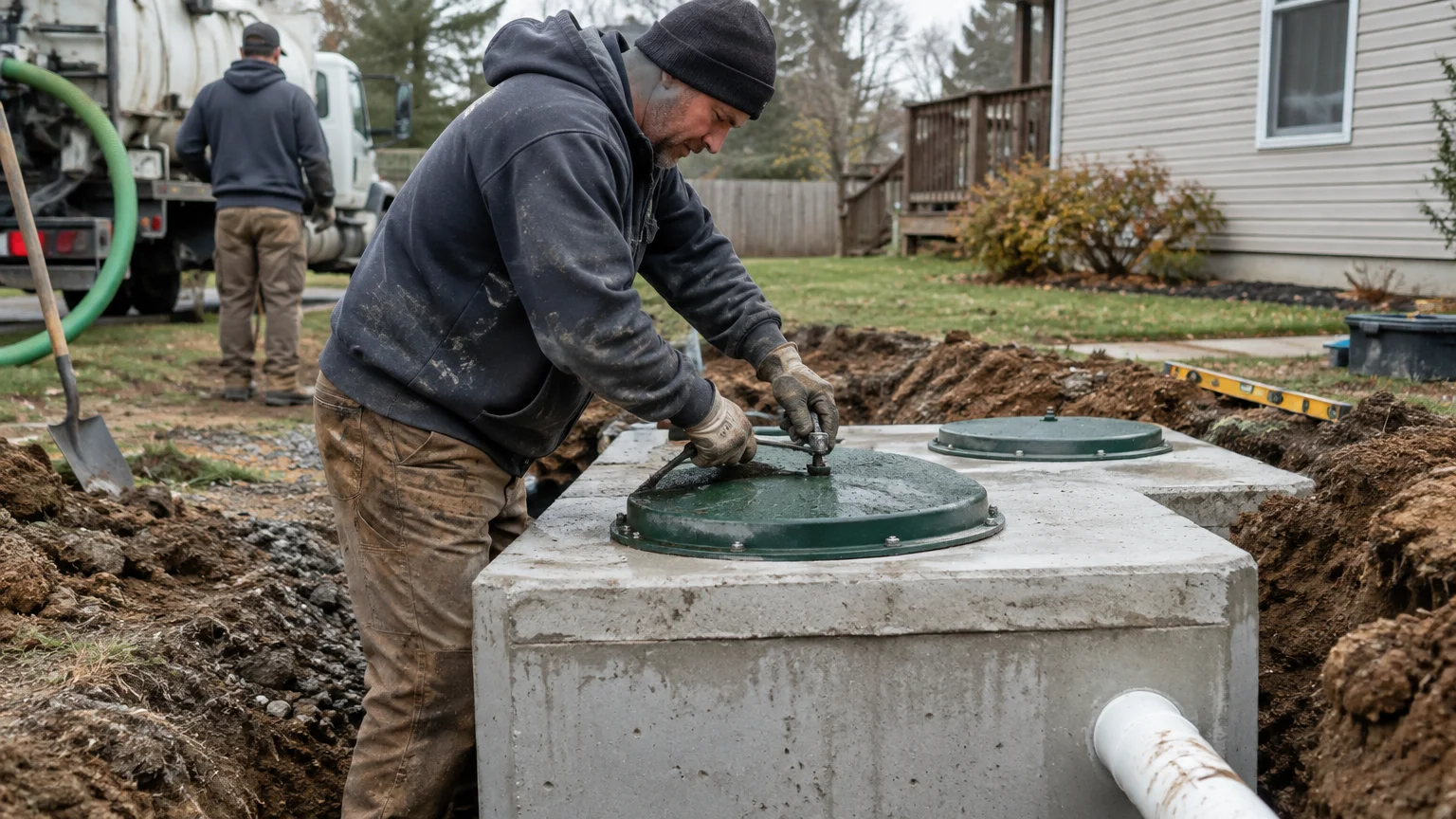
Concrete tanks are strong, but many older tanks have heavy lids or hidden openings. A pumping professional may need extra time to find the access points. They also need to open them safely. The quote may change if a lid is damaged, buried, or sealed by soil and roots.
Septic Tank Pumping Ocala helps Ocala property owners understand the work behind a quote. The company should explain the planned service in plain words. Ask if the work includes pumping, waste transport, disposal, lid access, and a basic visual check.
Why concrete tank pumping costs differ from other systems
Concrete, fiberglass, and plastic tanks all hold wastewater, but they do not act the same way. Concrete tanks are heavy and may settle over time. Plastic tanks are lighter and may move when soil or water conditions change. Fiberglass tanks can be strong but may need care around damaged areas.
The tank material is only one part of the comparison. A small concrete tank beside a clear driveway may be easier to service than a large plastic tank below a driveway. Septic tank replacement is a different job from pumping. The final cost is confirmed on a quote after the provider reviews the tank and site.
What the final quote should account for
A clear quote should list the planned work and known limits. It should say if pumping covers all tank sections, normal waste disposal, and access through existing lids. If extra work may be needed, the provider should explain when that work would be discussed.
Avoid choosing a service based on a vague promise. A useful quote connects the work to the tank and property. Septic Tank Pumping Ocala serves local customers and can help them ask clear questions before service begins.
What factors affect the cost of pumping a concrete septic tank?
The main cost factors are tank size, waste volume, pumping history, access, distance, and site conditions. Emergency pumping may need different planning than routine maintenance. Each detail can make the job easier or harder.
Tank condition matters too. A cracked lid, buried riser, exposed opening, or damaged pipe can slow the work. A tank that has not been pumped for a long time may hold more solids. It may also need a careful review after pumping.
Tank size, waste volume, and pumping frequency
A larger tank usually holds more wastewater and solids. It may take longer to empty and may need more waste handling. However, tank size alone does not decide the final quote. The amount inside and the number of compartments also matter.
Regular septic pumping helps control heavy buildup. The right maintenance schedule depends on household size, tank size, water use, and solids levels. Follow local guidance and advice from a qualified septic professional. One fixed schedule does not fit every property.
Access, distance, and site conditions
The truck needs a safe route and a practical place to work. Long hose runs, narrow drives, steep ground, locked gates, wet soil, and landscaping can make setup harder. A tank under a patio or driveway may need more planning.
Distance to the disposal site can also affect the work plan. Local rules may guide how septic waste is moved and handled. Discuss these details before the visit, especially when the property is outside central Ocala. This includes Bellechase, Freedom Crossings Preserve, and nearby neighborhoods.
Does septic tank size change the pumping cost?
Yes, tank size can change the work involved, but it is not the only factor. A larger concrete tank may need more pumping time and waste handling. A smaller tank can still be hard to service when it is deep, buried, or difficult to reach.
Property owners may find tank details in an installation permit, inspection report, closing file, or maintenance record. A tank label may also show its capacity. These records help, but they should not replace a safe review of the access points.
Common concrete tank sizes and service requirements
Concrete tanks come in many sizes. Local building methods, soil, property layout, and household needs affect the design. Some systems have one compartment. Others have separate chambers that need attention during pumping.
The provider should confirm which lids belong to the tank. Opening only one point may not provide full service. A complete visit should account for the tank design and the condition of visible parts.
How overdue maintenance can affect the job
When pumping is delayed, solids can move toward the outlet. This may raise the risk of backups, odors, slow drains, or drainfield stress. Heavy buildup can also make it harder to check the tank and its baffles.
Delayed service does not always mean the tank needs repair. It does mean the professional should check what can be seen safely after pumping. Share any recent backups, sewage odors, wet ground, or unusual drain behavior before the visit.
How does access affect concrete septic tank pumping costs?
Access affects the time, tools, and safety planning needed for the visit. A tank beside a clear driveway is often easier to reach than one below soil, plants, or a structure. The provider should review access before confirming the final quote.
Never remove a heavy concrete lid without proper tools and training. Septic tanks can contain toxic gases. Open tanks also create a serious fall risk. Keep children, pets, and visitors away from the work area.
Easy access compared with difficult or buried access
Easy access often means the lid is visible, stable, and close to the pumping hose. Difficult access may involve digging, moving obstacles, crossing soft ground, or working near utilities. These conditions can change the planned work.
Some owners install risers that bring access closer to the surface. A professional can explain if this option fits the tank and local rules. Any change should protect the tank, stop surface water from entering, and allow safe future maintenance.
What happens when the tank location is uncertain
Start by checking permits, property records, old inspection reports, and visible cleanouts. Plumbing lines may offer clues, but they do not prove the tank location. The tank may not be the same distance from the house on every property.
A professional may use records, careful probing, or locating equipment. Digging must be done with care because gas, water, electric, and communication lines may be nearby. Once the tank is found, record its location for future service.
How does a concrete septic system compare with other tank materials?
Concrete tanks are heavy, durable, and common on many United States properties. Fiberglass and plastic tanks are lighter and may have different access and repair concerns. The material can affect handling, but the full system design matters more than the tank label.
A septic system includes more than the tank. It may have inlet and outlet pipes, baffles, filters, a distribution box, pumps, and a drainfield. Pumping removes stored wastewater and solids. It does not repair every part of the system.
Concrete, fiberglass, and plastic tank considerations
Concrete may resist movement but can develop cracks, surface wear, or damaged lids. Plastic and fiberglass may resist some corrosion but can shift in wet soil. They may also suffer damage from poor installation. Each material needs safe inspection and the right repair method.
Do not assume one material always costs less to service. Tank size, access, condition, and local work rules may matter more. A qualified provider can explain the differences without suggesting replacement when it is not needed.
When repairs, locating, or extra handling may be needed
Extra work may be needed when a lid is unsafe, the tank cannot be found, or an inlet or outlet problem is visible. A clogged effluent filter may also need cleaning if the system has one. Pumping does not automatically include repairs or drainfield work.
The provider should separate pumping from recommended repairs. This helps the owner decide what needs quick attention and what can wait. It also gives investors, tenants, and buyers a clearer record of the system’s condition.
What should a septic tank pumping quote include?
A septic tank pumping quote should describe the tank service, access plan, disposal handling, and limits. It should say whether the quote covers the full tank or only a certain service area. It should also explain what happens if access is unsafe or the tank differs from the records.
The final cost is confirmed on a quote after the provider reviews the job details. Site conditions vary, so a general online statement cannot replace a property review. A good quote uses plain language that the owner can understand.
Core pumping and disposal services
The quote should explain whether it includes pumping all accessible compartments, handling removed waste, and leaving the work area reasonably tidy. It should also say whether the provider will note visible concerns with lids, baffles, filters, or pipes.
Ask whether digging, locating, lid work, or repair recommendations are separate. The answer should be written clearly. This helps prevent confusion about the planned septic pumping service.
Questions to ask before approving the work
Property owners can ask these questions before scheduling:
- Which tank openings will be accessed and serviced?
- Does the plan include all compartments and visible filters?
- What site conditions could change the quote?
- Will the provider record visible damage or system concerns?
- What should the owner do before the truck arrives?
These questions help homeowners, tenants, investors, and buyers compare service plans. They also help the provider bring the right tools and crew for the property.
When should you request a quote for concrete septic tank pumping?
Request a quote when pumping is due, records are missing, the tank location is unknown, or the property shows warning signs. Do not delay service when wastewater backs up inside the home. Sewage near the tank or drainfield also needs prompt attention.
Homeowners can safely handle simple upkeep themselves. This includes keeping vehicles off the drainfield, saving system records, checking for clear leaks, and using water wisely. They should not enter a septic tank, work around open wastewater, or remove heavy lids without professional help.
Signs that service should not be delayed
Warning signs include slow drains throughout the home, sewage odors, gurgling plumbing, wet ground, unusually green grass near the drainfield, or sewage backups. One sign may have another cause, but several signs need prompt attention.
A professional should assess the system before the owner uses drain chemicals or tries a repair. Chemicals may harm helpful tank bacteria or push a blockage farther into the system. Share urgent symptoms when requesting service.
How to prepare property records and access details
Gather permits, inspection reports, tank diagrams, past pumping notes, and information about recent plumbing problems. Unlock gates, clear the access route, keep pets indoors, and mark known underground hazards.
For properties in Ocala and nearby parts of the city, local records may help confirm the system layout. Septic Tank Pumping Ocala can review available details and explain what information may be needed before scheduling.
Key takeaways
- Septic tank concrete cost depends on size, access, waste levels, condition, and site needs.
- Concrete tanks may have heavy, buried, or damaged lids that need careful handling.
- Tank material matters, but the whole system and property layout matter too.
- A quote should explain pumping, disposal, access, and possible extra work.
- Owners can manage simple upkeep but should leave tank opening and pumping to trained professionals.
Frequently Asked Questions
How deep should a septic tank be?
There is no single depth for every septic tank. Soil, site slope, local design rules, and plumbing layout affect placement. A permit, inspection report, or professional locator may help find the tank. Do not dig without checking for underground utilities first.
How far does a septic tank need to be from a house?
The needed distance depends on local rules, site conditions, tank design, and property layout. Older systems may follow rules from the time of installation. A local health department record or qualified septic professional can help confirm the right information.
How does a septic system work?
Wastewater flows from the building into the septic tank. Solids settle, oils rise, and liquid leaves through the outlet toward the drainfield. Soil provides more treatment. Pumping removes built-up solids, but it does not replace drainfield care or repair damaged parts.
How can a homeowner find the septic tank lid?
Check permits, inspection reports, cleanout locations, and visible pipe routes. A professional can locate the tank when records are missing. Avoid deep digging. Never open an unknown lid alone because septic gases and open tanks are dangerous.
Who installs septic tanks near me?
A licensed or approved septic installer can design and install a system when local rules allow it. The right provider depends on soil testing, permits, property size, and system design. Septic Tank Pumping Ocala can help Ocala property owners identify questions before selecting a contractor.
Conclusion
Concrete septic tanks need a service plan based on the actual property. Size, access, tank condition, waste levels, disposal needs, and local site rules all shape the quote. Good records and clear access can make the visit easier.
Request a clear quote before work begins and ask what the service includes. Contact us to discuss concrete tank pumping needs and arrange the next step.